
The film without the cuts. And the book itself.
The Social Cancer
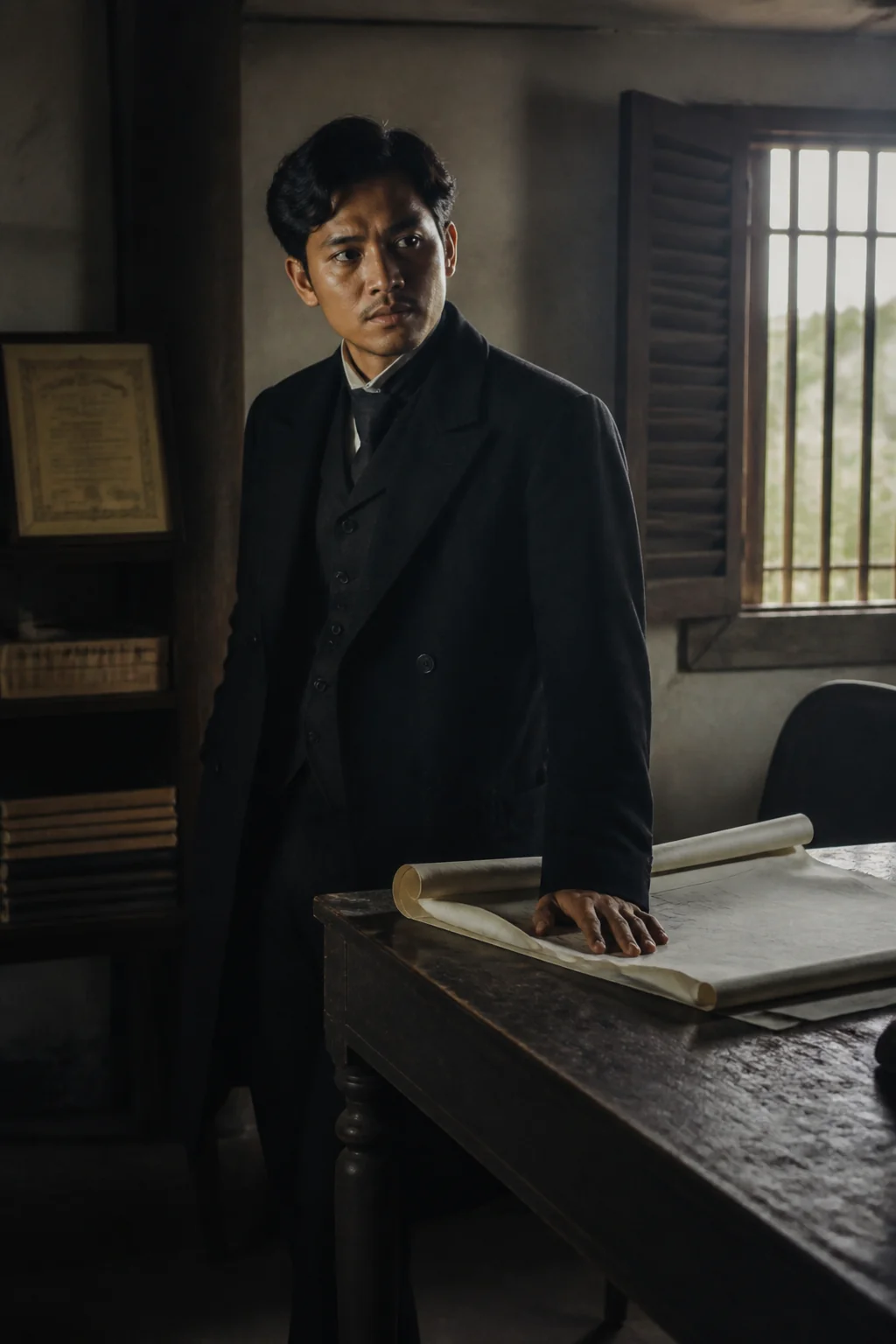
Crisóstomo Ibarra
A returned young reformer carrying European education into a town ready to punish hope.
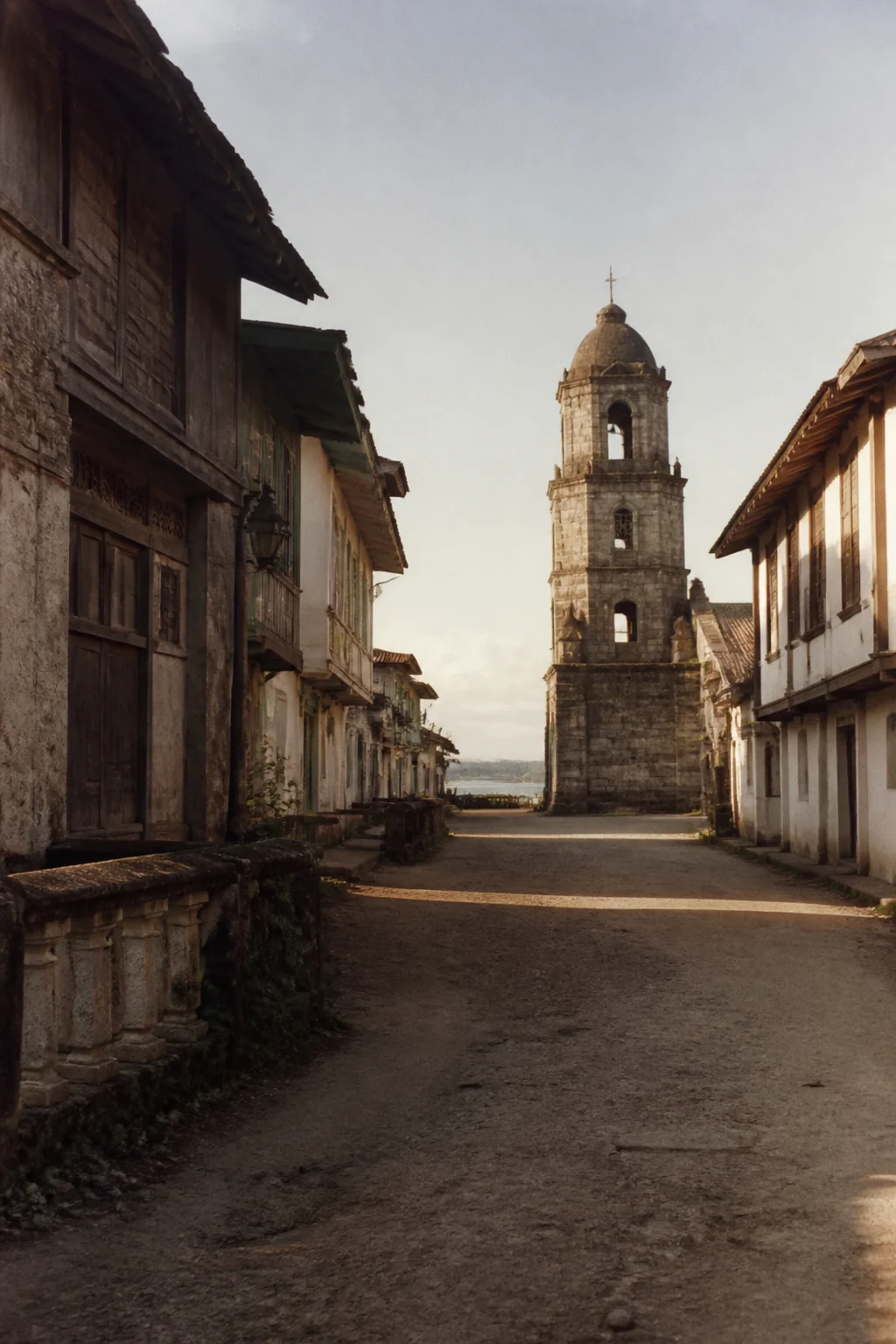
San Diego
In this lakeside town, church, gossip, and official power reach into every home.
He loves his homeland enough to expose its deepest wounds to judgment.
Read →Exposing the Social Cancer
To My Fatherland:
Recorded in the history of human sufferings is a cancer of so malignant a character that the least touch irritates it and awakens in it the sharpest pains. Thus, how many times, when in the midst of modern civilizations I have wished to call thee before me, now to accompany me in memories, now to compare thee with other countries, hath thy dear image presented itself showing a social cancer like to that other!
Desiring thy welfare, which is our own, and seeking the best treatment, I will do with thee what the ancients did with their sick, exposing them on the steps of the temple so that every one who came to invoke the Divinity might offer them a remedy.
And to this end, I will strive to reproduce thy condition faithfully, without discriminations; I will raise a part of the veil that covers the evil, sacrificing to truth everything, even vanity itself, since, as thy son, I am conscious that I also suffer from thy defects and weaknesses.
Rizal addresses his country as a patient, not a cause. He calls the Philippines sick with a cancer so raw that even a light touch brings pain, and he speaks to the nation directly, as "thee," the way you would speak to someone you love who is dying. This is the frame for everything that follows: the novel is offered as a diagnosis, not a battle cry. The image of laying the sick on the temple steps tells you what kind of writer he means to be. He is not curing anything himself. He is exposing the disease in public so that anyone passing might know the cure, which means the book's job is to make people see clearly what has been kept hidden under a veil. His last move is the honest one. He includes himself among the afflicted, admitting he carries the same defects he is about to expose, so that when the novel turns cruel toward Filipino weakness, it cannot be read as a stranger's contempt.
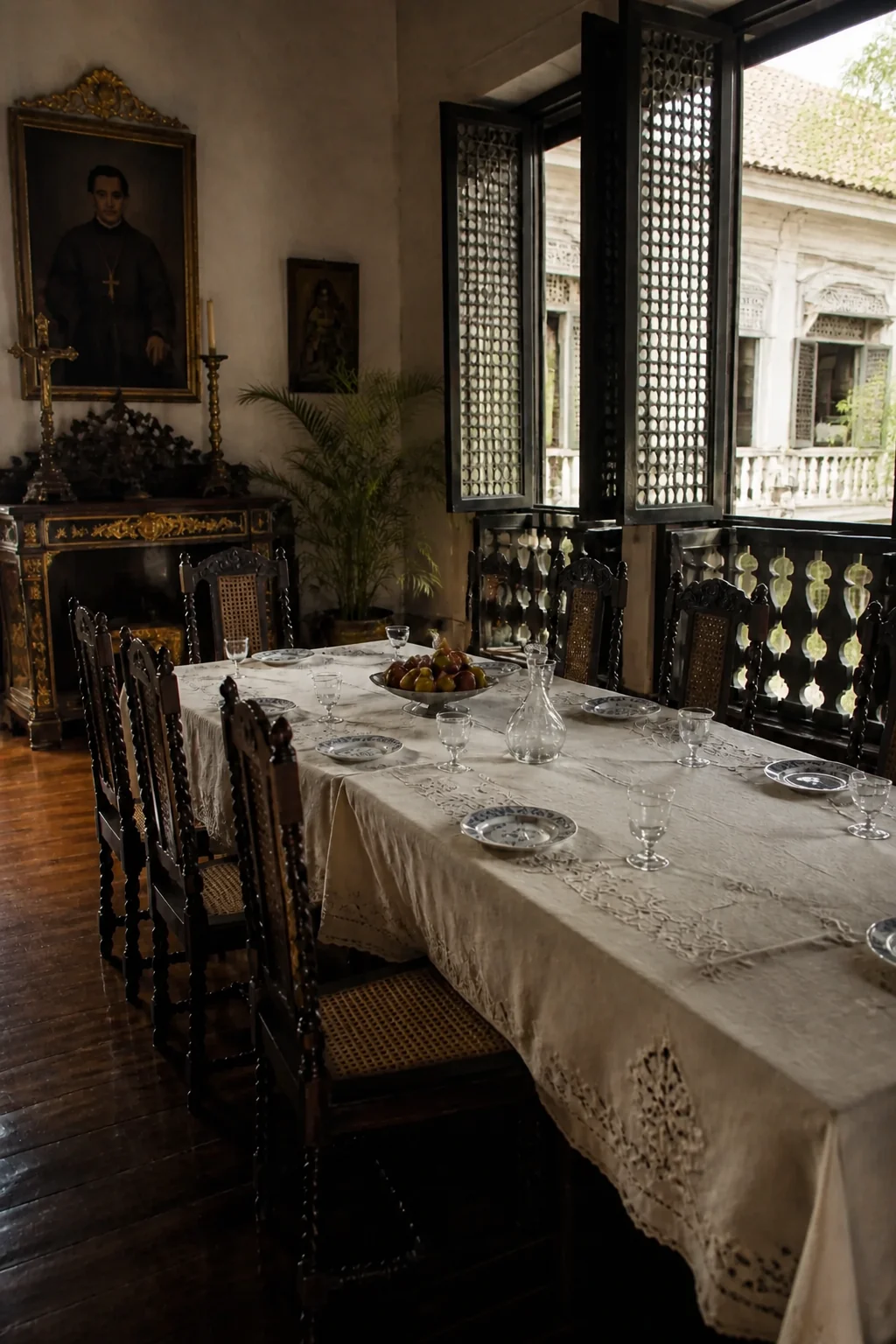
Ibarra returns from Europe to a country already judging him
He comes home educated and hopeful, and finds the church has already turned against his father.
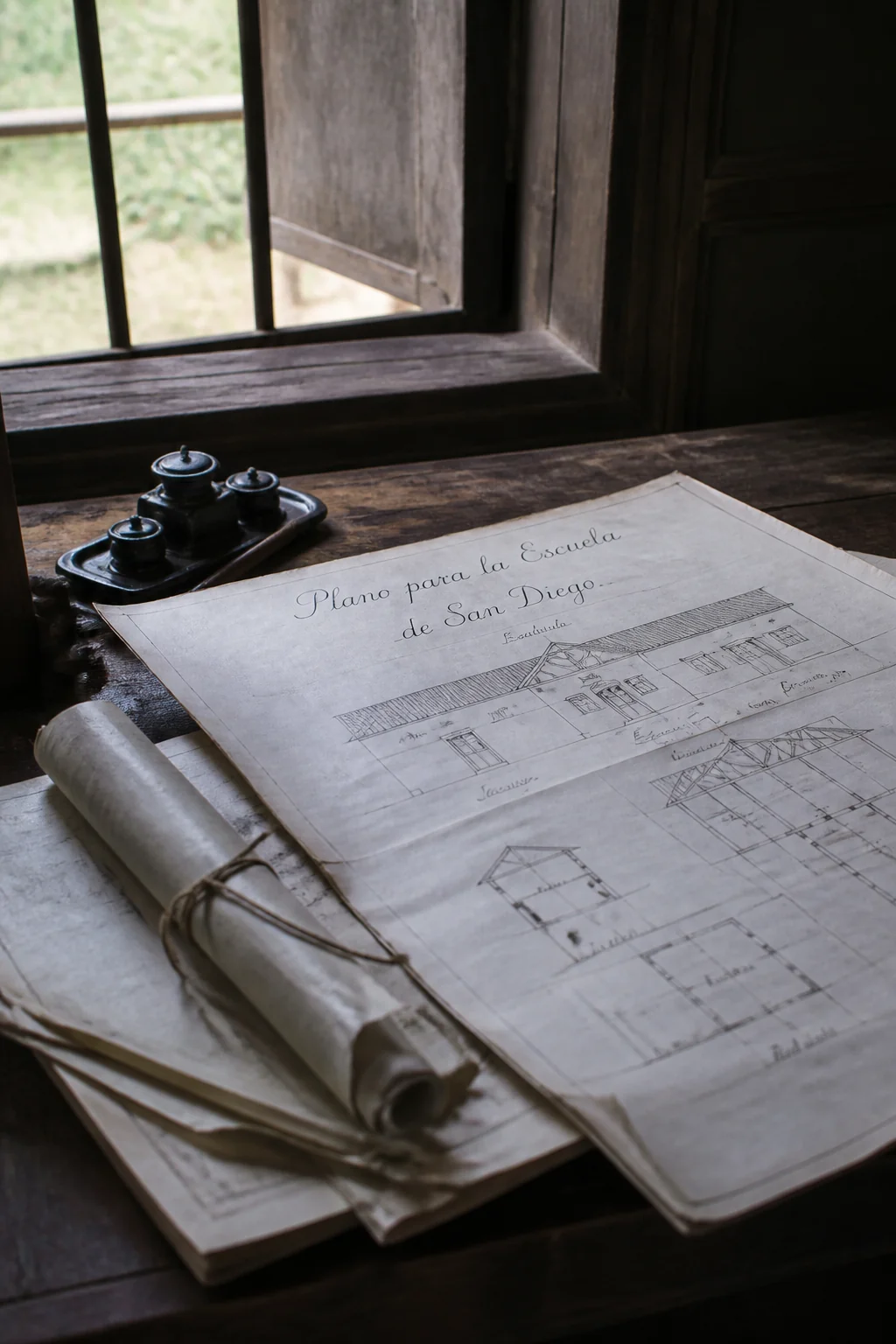
School plans and documents
A schoolhouse Ibarra means as a gift, read by others as a threat.
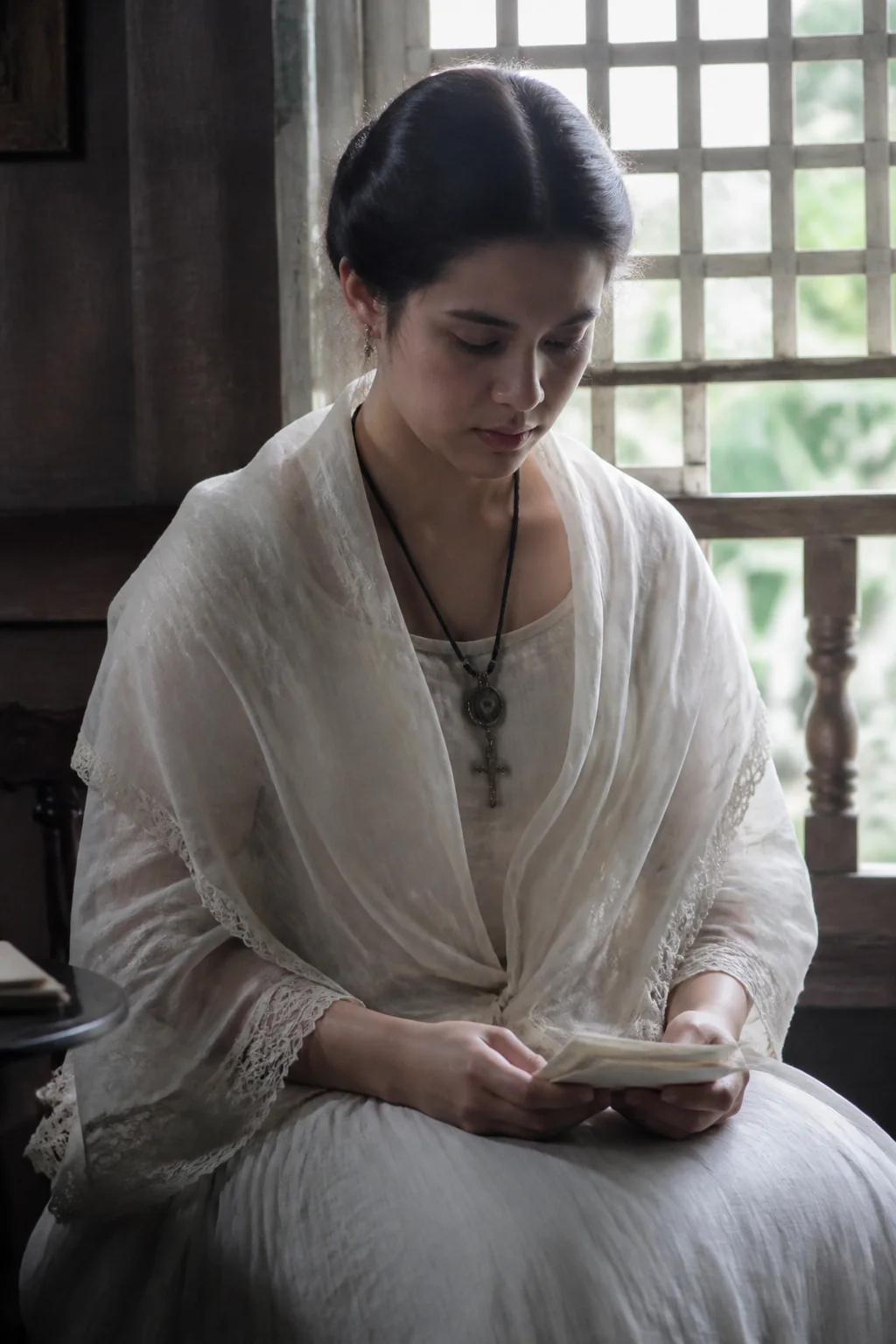
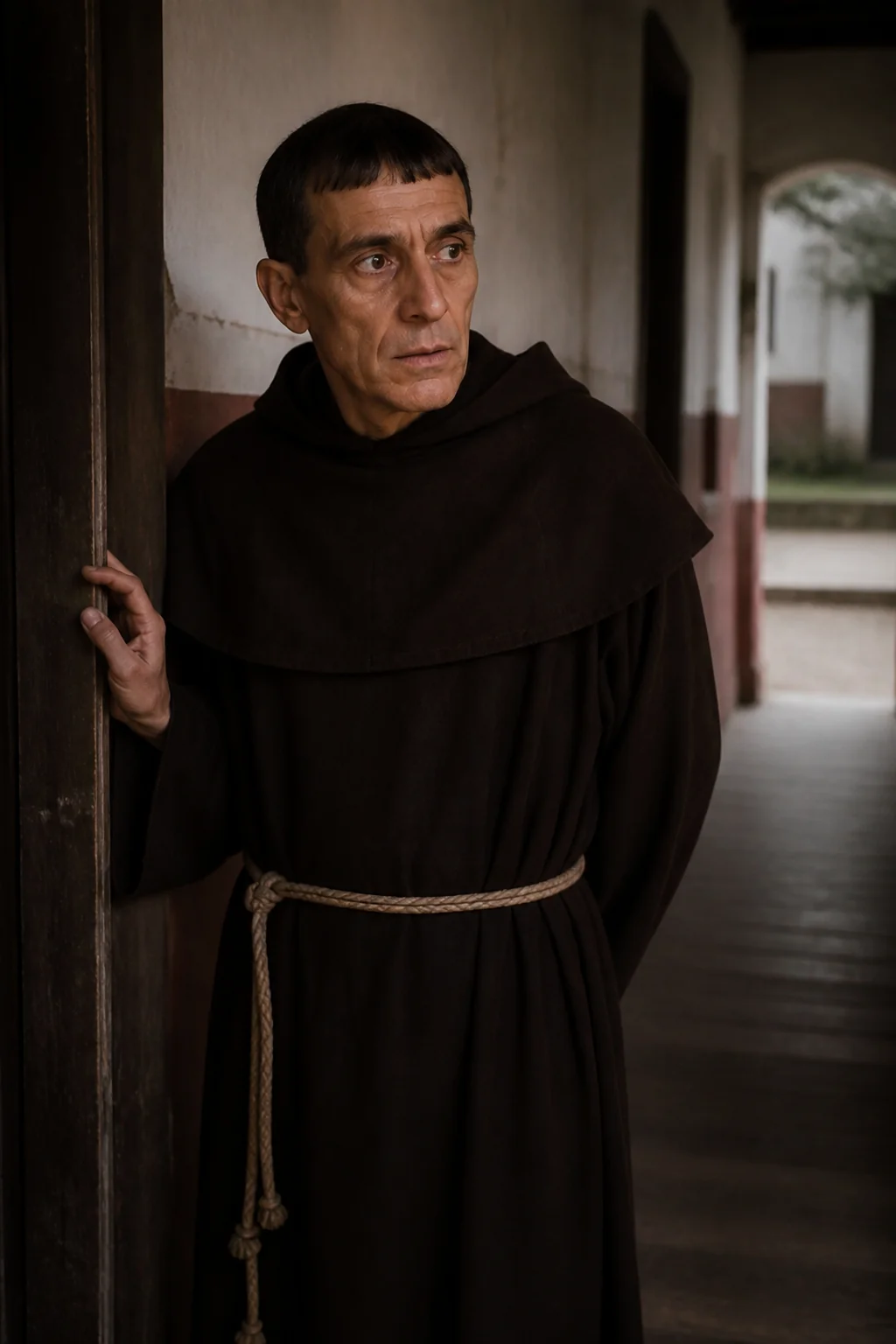
Maria Clara
A sheltered young woman whose silence becomes the most fragile place in the town.
Noli Me Tangere
The cast, locations, objects of note, core concepts, and selected passages in the Author’s Pen - at your own pace.
The Noli Me Tangere World, as it plays on your phone
- Meet the people. 22 characters, each with a portrait, who they are and what they want.
- Walk the places. 14 places, each pictured, and what happens there.
- Follow the plot. The turns of the story, in order, so you always know where you are.
- Taste the original. 35 key passages in José Rizal’s own words, each with a short reading of what it is doing.
- The complete book. Every word, in a reader made for your phone. From any passage, one tap opens the book at that very page.
Step inside Noli Me Tangere
Free, in your inbox in about a minute: the World and the complete book, on your phone.