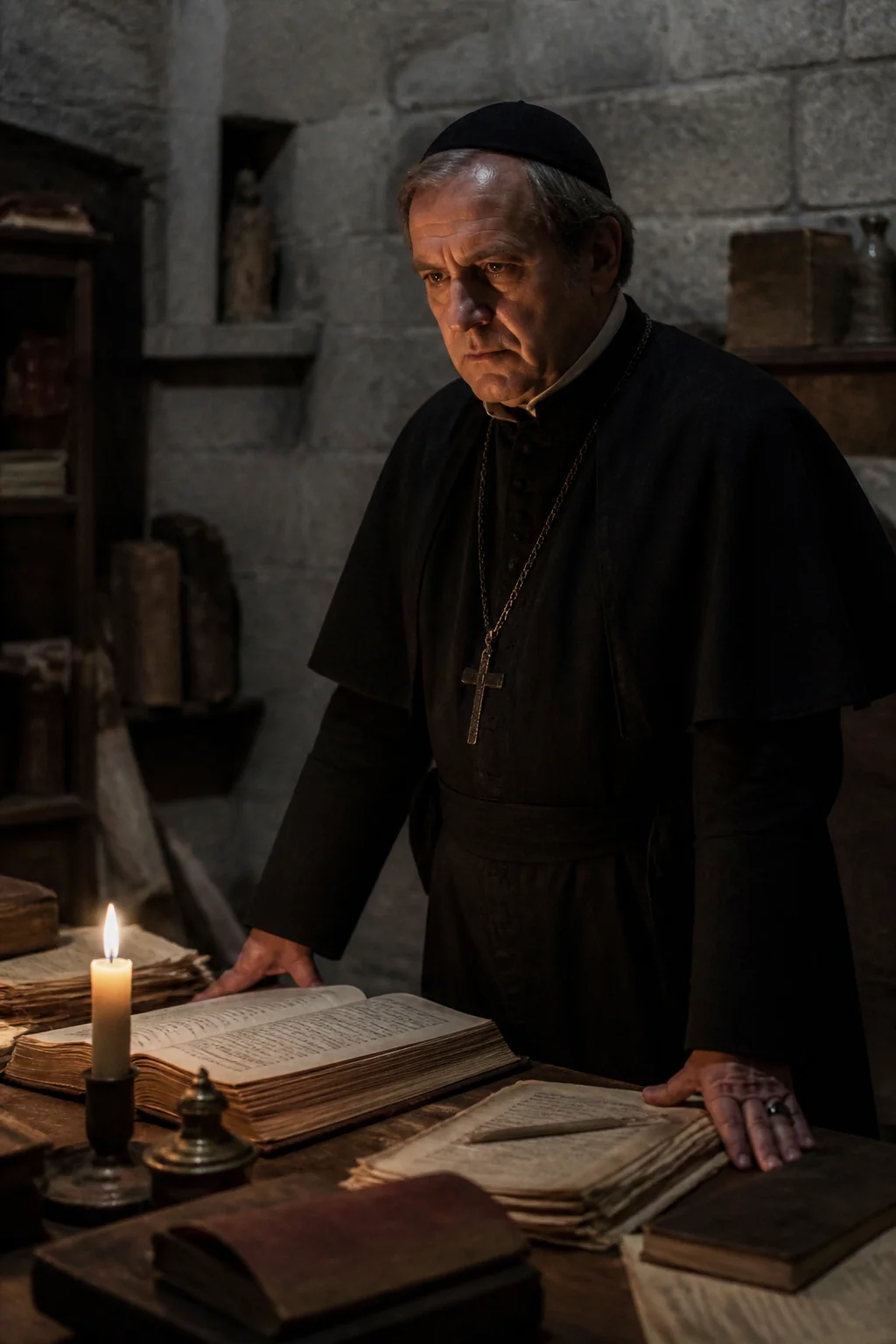
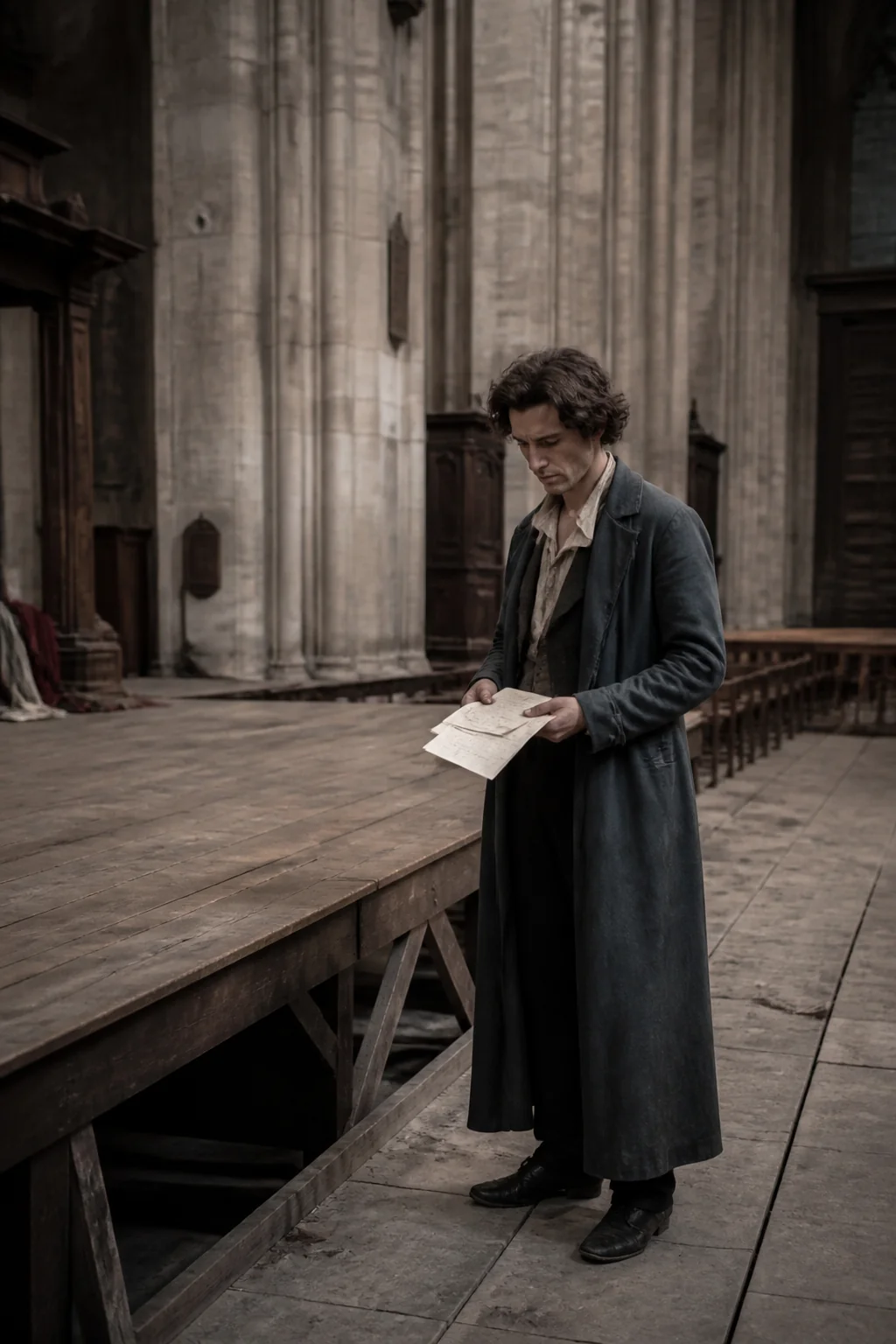
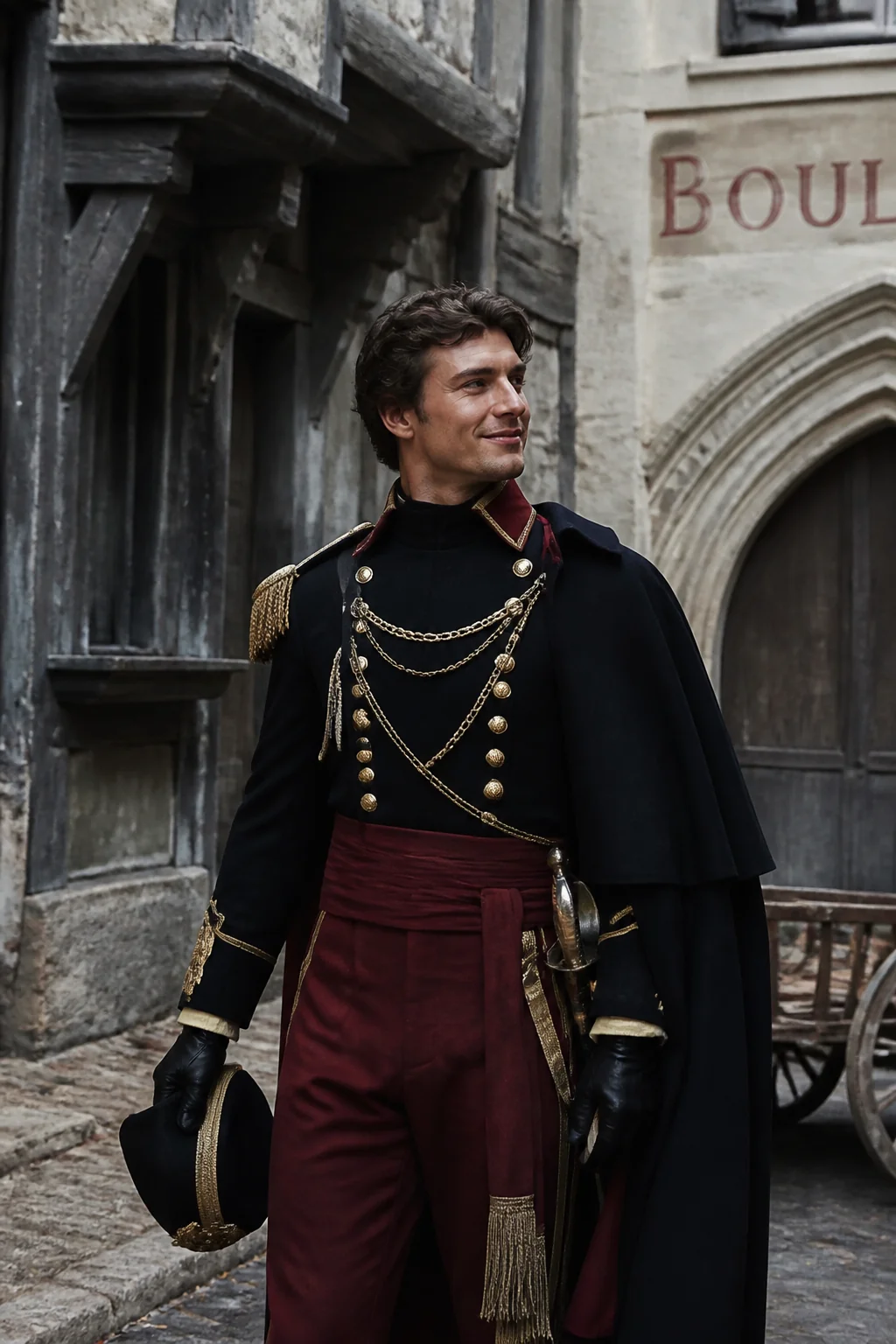
The film without the cuts. And the book itself.
On a riotous festival day in medieval Paris, the ugliest man in the city is crowned Pope of Fools before a jeering crowd.
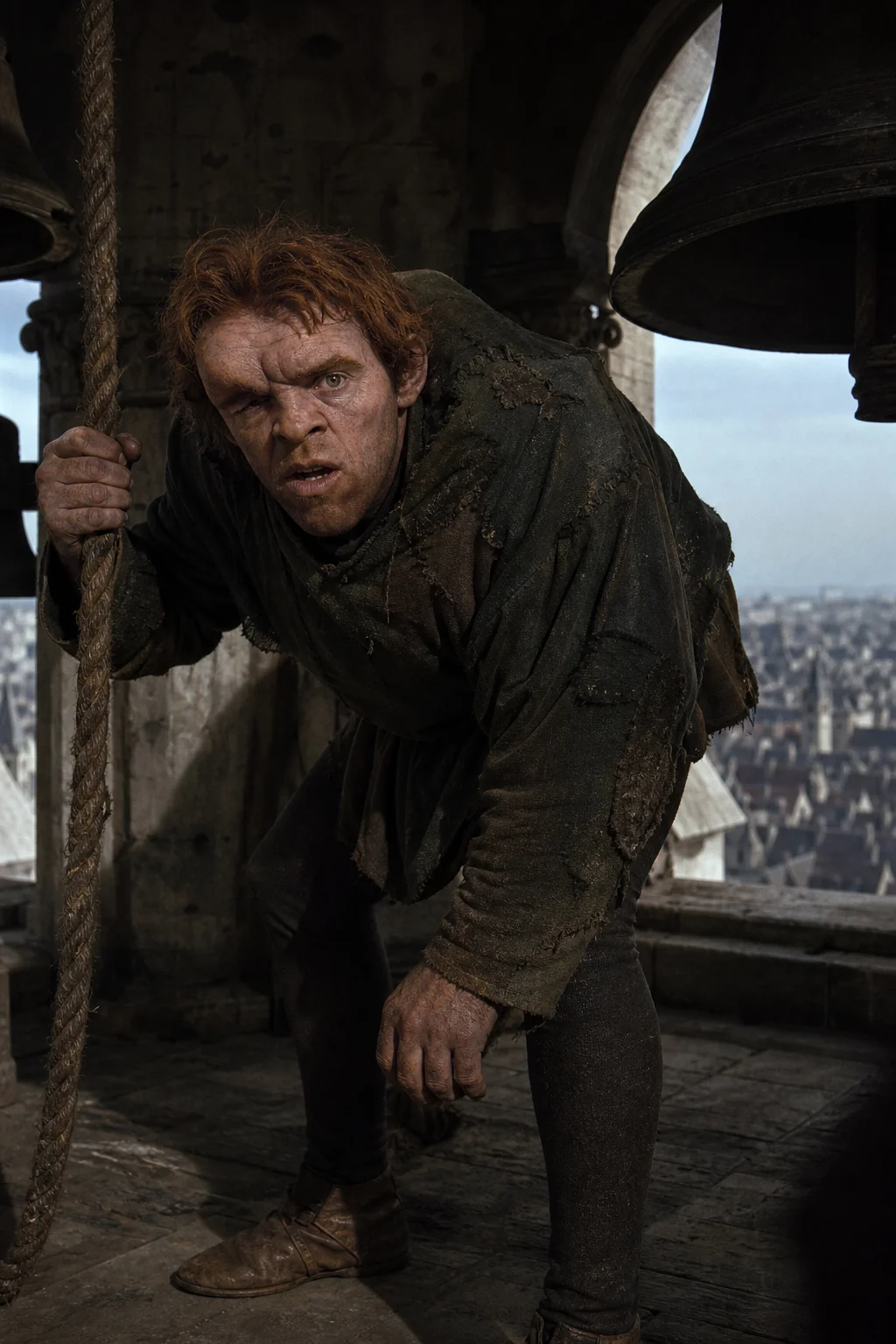
Quasimodo
A deaf bell-ringer crouches high among the towers, one hand on the rope and one eye fixed on the city that fears him.
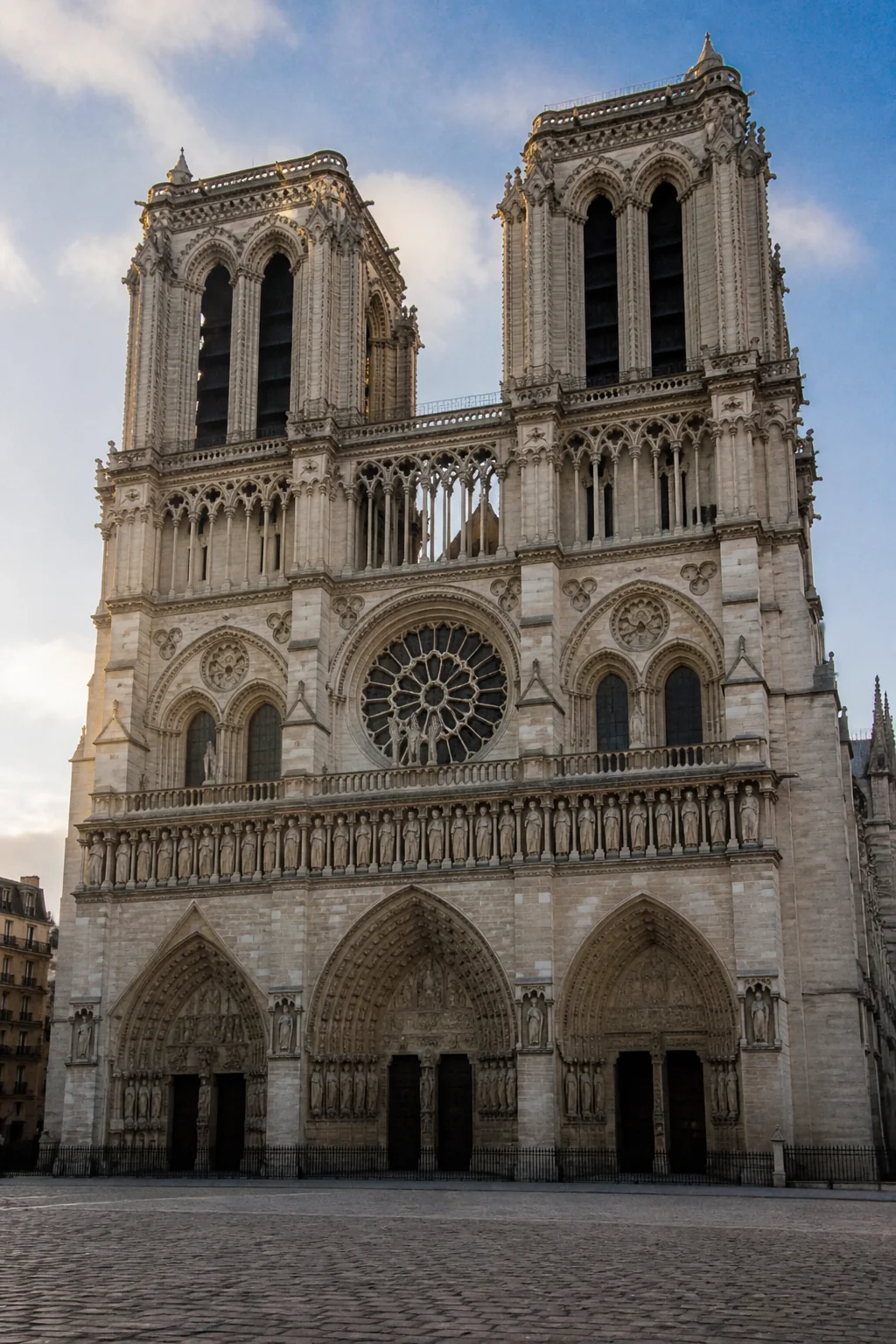
Notre-Dame Cathedral
A vast stone church rises over Paris, watching the crowd as if the city itself could look back.
A single carved word forces a haunting question about despair, guilt, and fate.
Read →The Engraved Word
PREFACE.
A few years ago, while visiting or, rather, rummaging about Notre-Dame, the author of this book found, in an obscure nook of one of the towers, the following word, engraved by hand upon the wall:—
ἈΝÁΓΚΗ.
These Greek capitals, black with age, and quite deeply graven in the stone, with I know not what signs peculiar to Gothic caligraphy imprinted upon their forms and upon their attitudes, as though with the purpose of revealing that it had been a hand of the Middle Ages which had inscribed them there, and especially the fatal and melancholy meaning contained in them, struck the author deeply.
He questioned himself; he sought to divine who could have been that soul in torment which had not been willing to quit this world without leaving this stigma of crime or unhappiness upon the brow of the ancient church.
A single Greek word carved in a dark corner sets the whole novel in motion, and Hugo wants you to feel the shock of it before he explains anything. He was not searching for a story; he was poking around the old church when the word for fate, cut deep and darkened with age, stopped him. What grips him is not the church but the person behind the letters: someone in enough pain that they had to scratch their suffering into stone before leaving the world. The book that follows is his attempt to answer the question he asks here, who that tormented soul was.
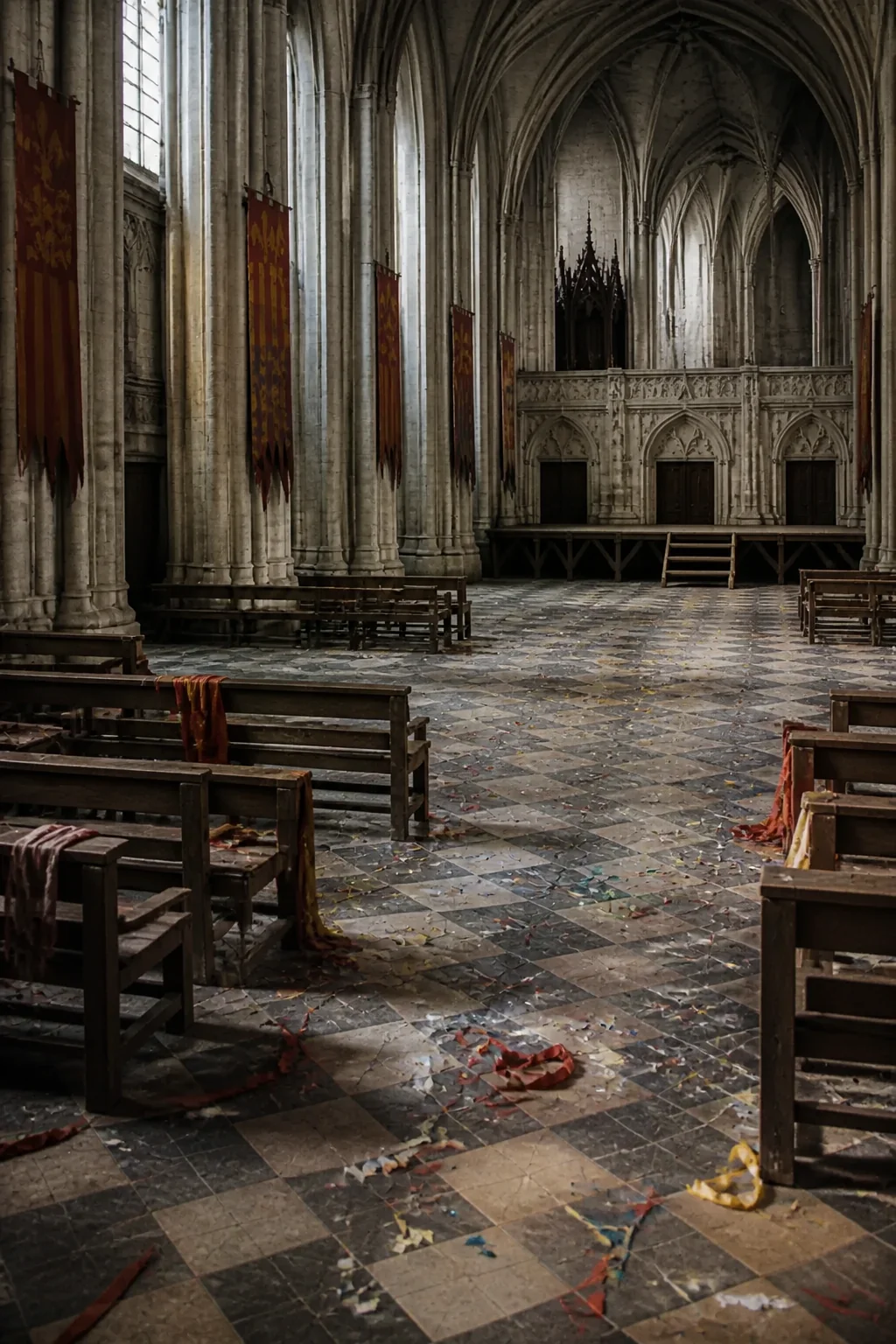
The Feast of Fools
On a riotous festival day in medieval Paris, the ugliest man in the city is crowned Pope of Fools before a jeering crowd.
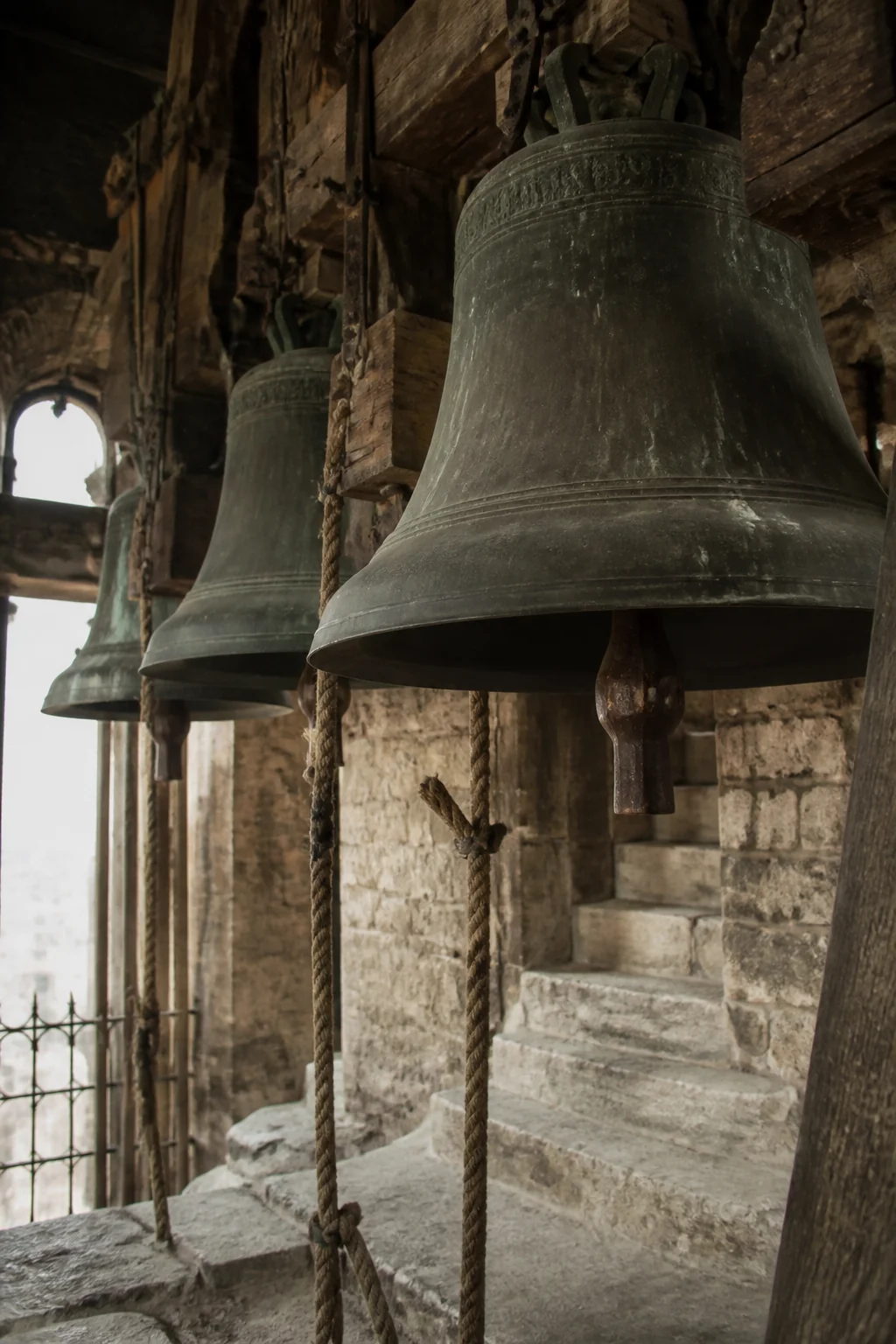
The Bells
The deaf bell-ringer's only voice is the bronze he can feel but never hear.
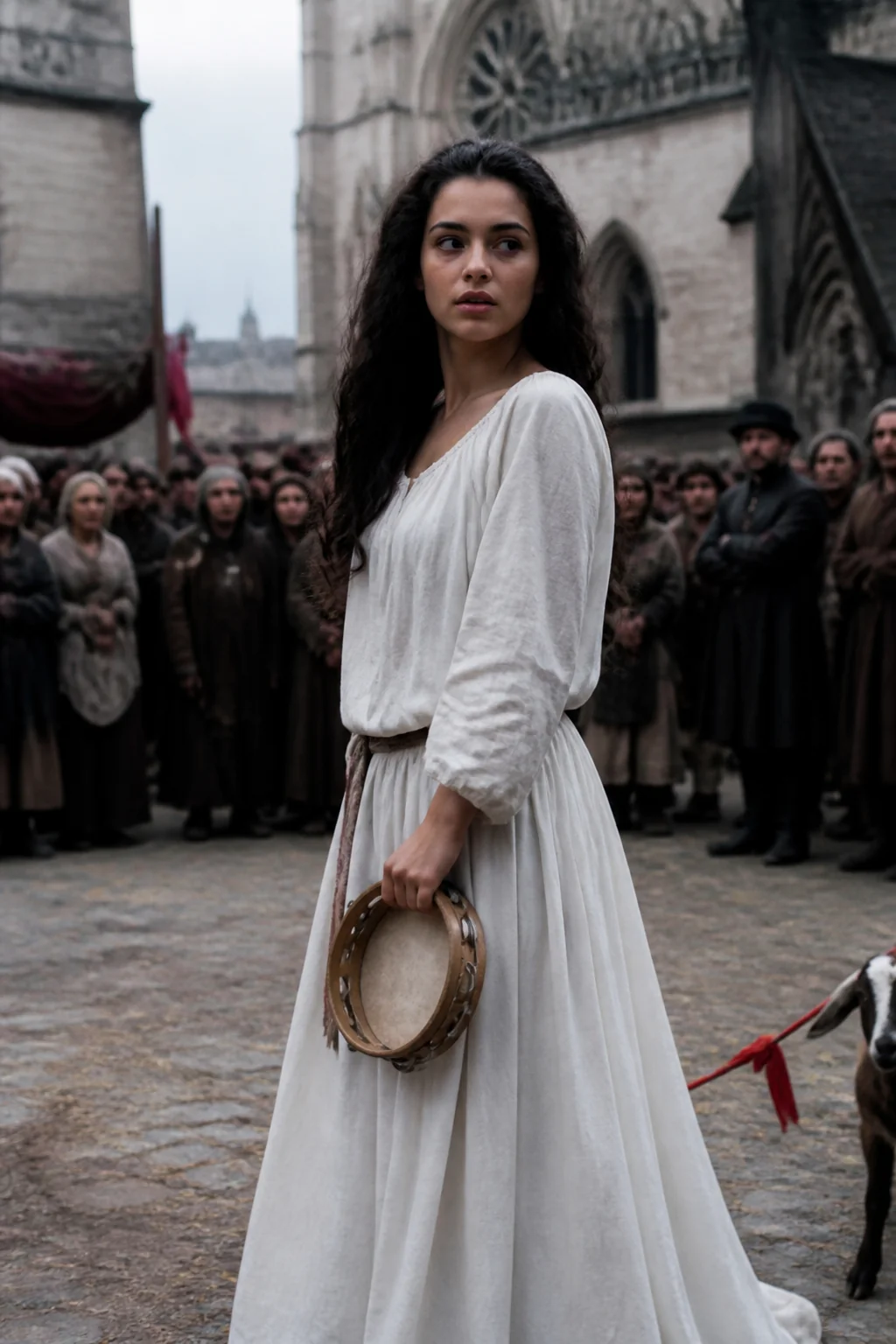
Esmeralda
A young dancer in white steps into the square with a goat at her side, and every eye in Paris decides she means something different.
Notre-Dame de Paris
The cast, locations, objects of note, core concepts, and selected passages in the Author’s Pen - at your own pace.
The Notre-Dame de Paris World, as it plays on your phone
- Meet the people. 24 characters, each with a portrait, who they are and what they want.
- Walk the places. 13 places, each pictured, and what happens there.
- Follow the plot. The turns of the story, in order, so you always know where you are.
- Taste the original. 60 key passages in Victor Hugo’s own words, each with a short reading of what it is doing.
- The complete book. Every word, in a reader made for your phone. From any passage, one tap opens the book at that very page.
Step inside Notre-Dame de Paris
Free, in your inbox in about a minute: the World and the complete book, on your phone.