The film without the cuts. And the book itself.
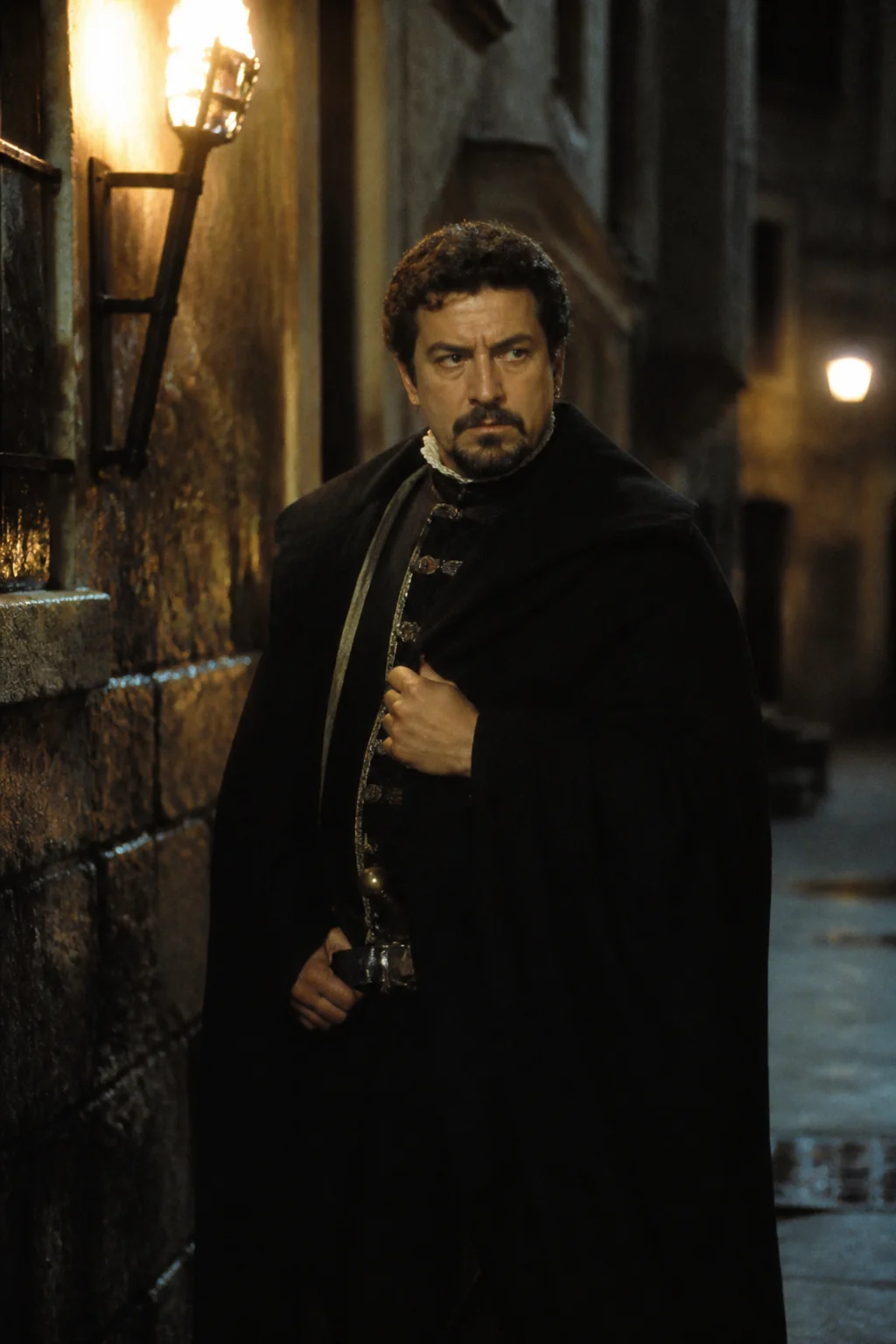
Passed over for promotion, Iago swears to destroy the Moor — and rouses a senator against Othello’s secret marriage to his daughter.
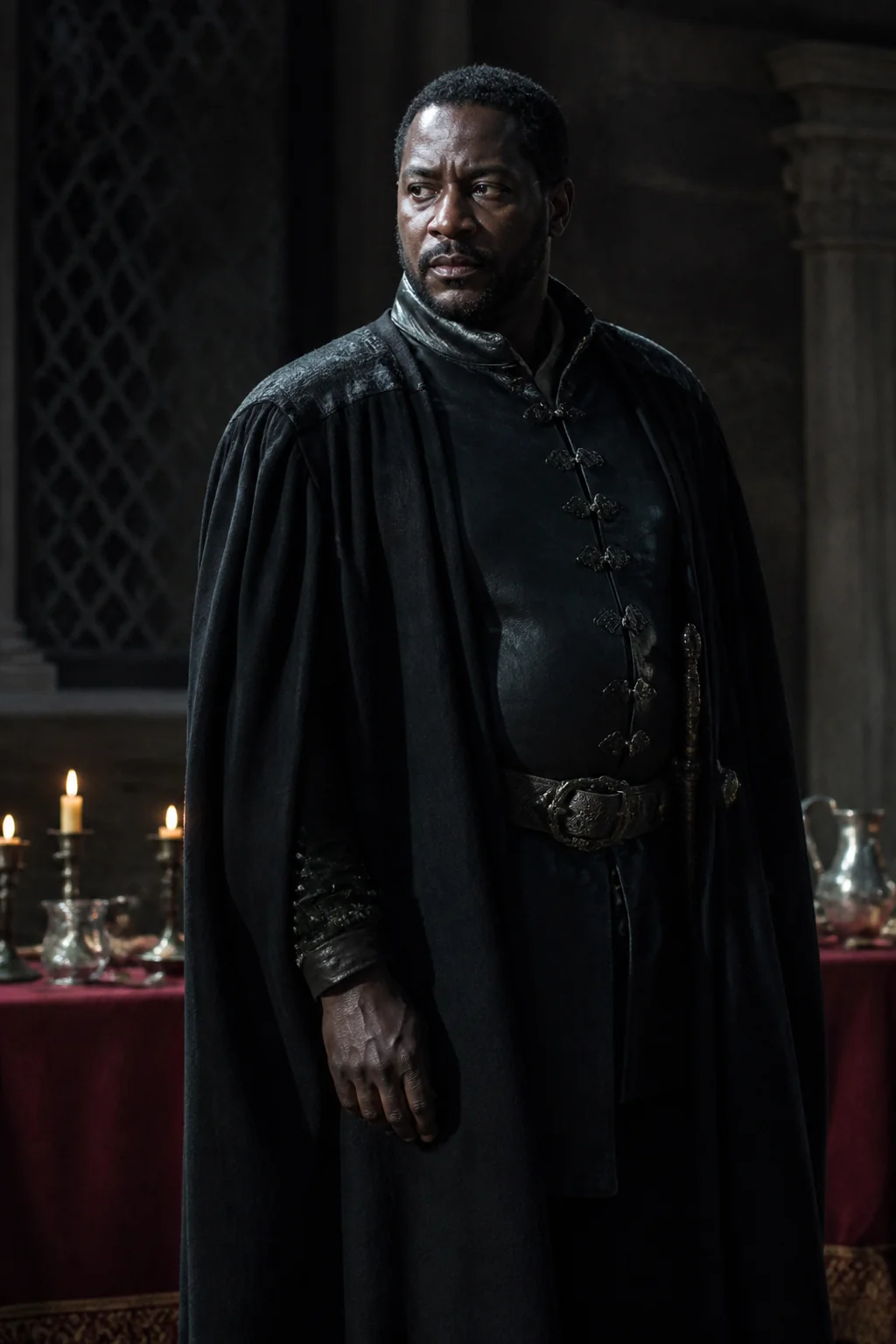
Othello
A commander honored by Venice is undone when love is forced to answer the language of proof.

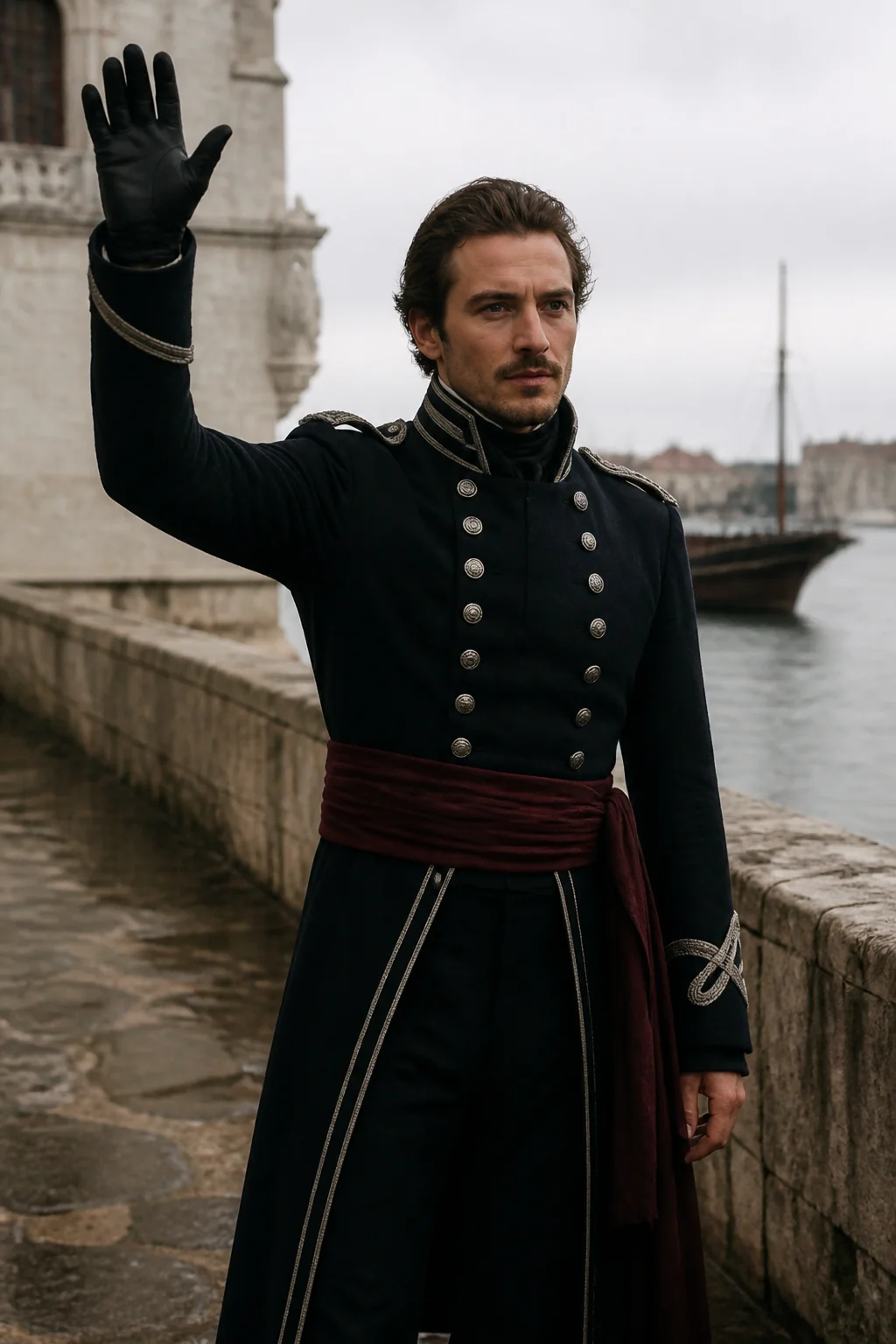
Venice
Here a marriage must defend itself before fathers, senators, and the law.
A servant coolly admits loyalty is a mask for ambition and betrayal.
Read →I Follow But Myself
IAGO. O, sir, content you. I follow him to serve my turn upon him: We cannot all be masters, nor all masters Cannot be truly follow’d. You shall mark Many a duteous and knee-crooking knave That, doting on his own obsequious bondage, Wears out his time, much like his master’s ass, For nought but provender, and when he’s old, cashier’d. Whip me such honest knaves. Others there are Who, trimm’d in forms, and visages of duty, Keep yet their hearts attending on themselves, And throwing but shows of service on their lords, Do well thrive by them, and when they have lin’d their coats, Do themselves homage. These fellows have some soul, And such a one do I profess myself. For, sir, It is as sure as you are Roderigo, Were I the Moor, I would not be Iago: In following him, I follow but myself. Heaven is my judge, not I for love and duty, But seeming so for my peculiar end. For when my outward action doth demonstrate The native act and figure of my heart In complement extern, ’tis not long after But I will wear my heart upon my sleeve For daws to peck at: I am not what I am.
Iago sorts servants into two kinds, and the sorting is really a confession. First the loyal drudge who loves his own "obsequious bondage" and works like the master's donkey until he is too old and gets thrown out. Against him stand the men who wear "shows of service" while their hearts stay fixed on themselves, and grow rich doing it. Iago plainly places himself in the second camp: he follows Othello only "to serve my turn upon him." The speech tightens as it goes. What began as worldly advice about getting ahead narrows to a flat statement of principle: to show your true feelings openly is to hang your heart out for birds to peck. He ends by unmaking the very idea of a stable self, "I am not what I am," a deliberate inversion of God's "I am that I am."
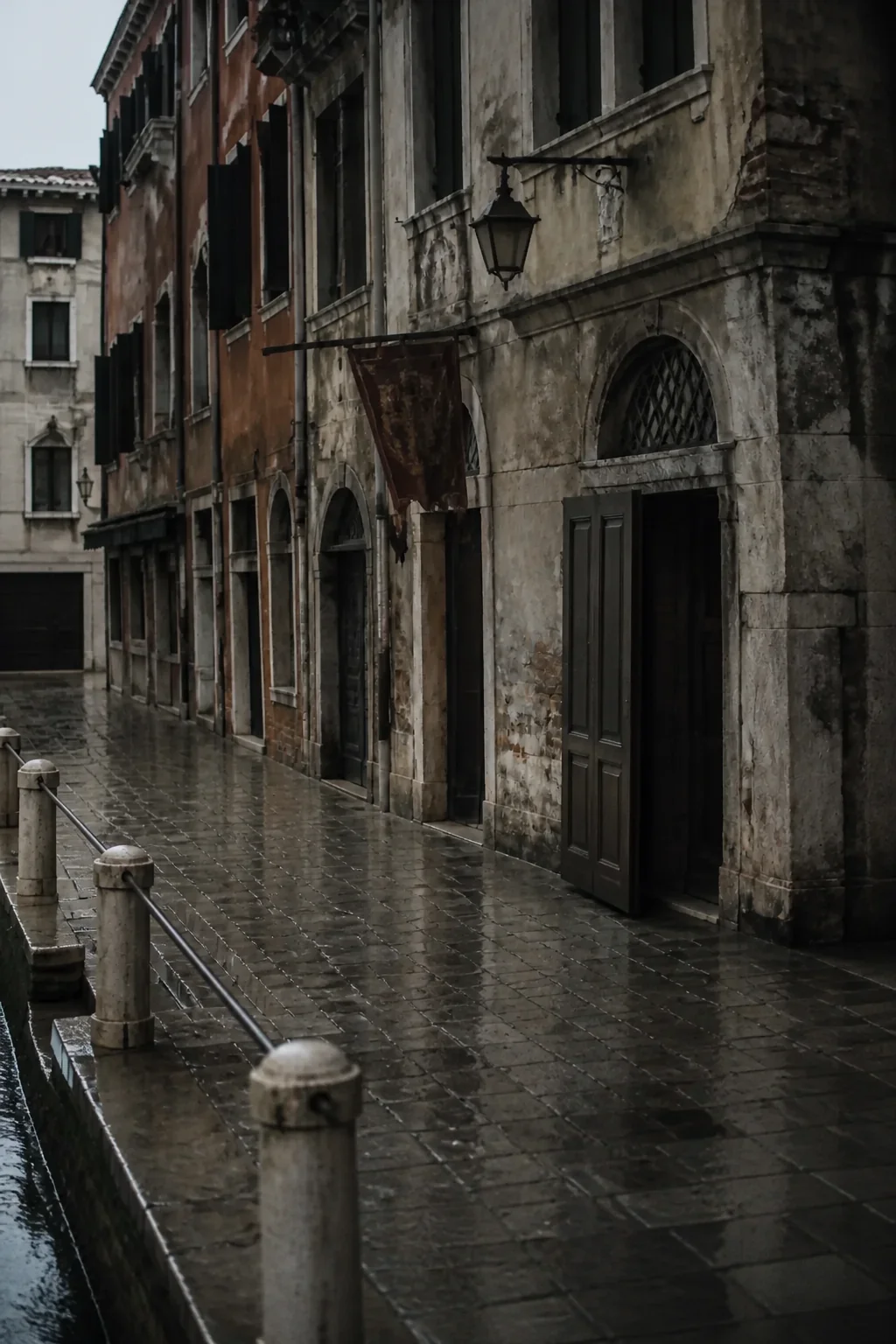
Iago's Grudge and the Elopement
Passed over for promotion, Iago swears to destroy the Moor — and rouses a senator against Othello’s secret marriage to his daughter.

The Handkerchief
Othello believes a lost scrap of cloth over his own wife's word.
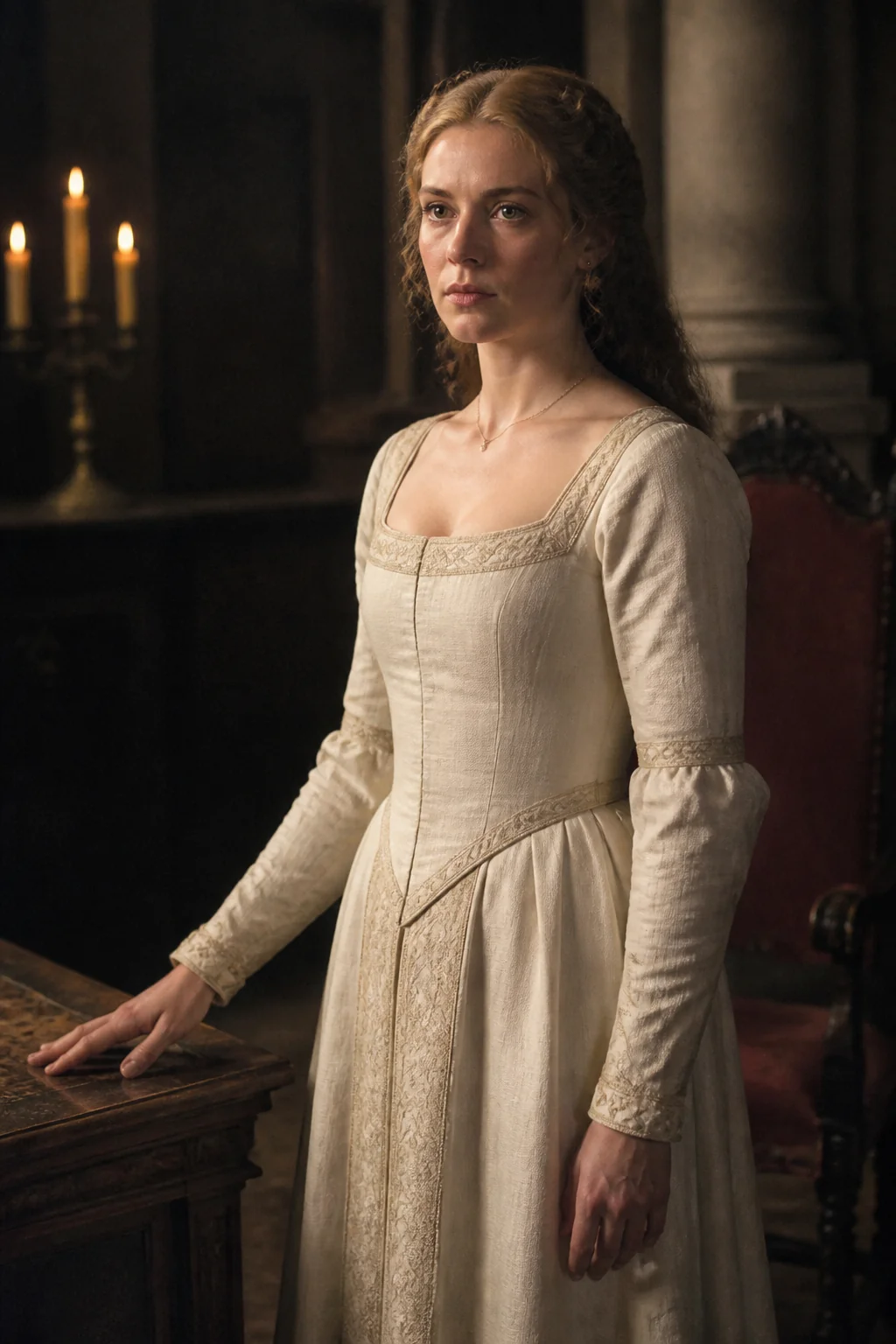
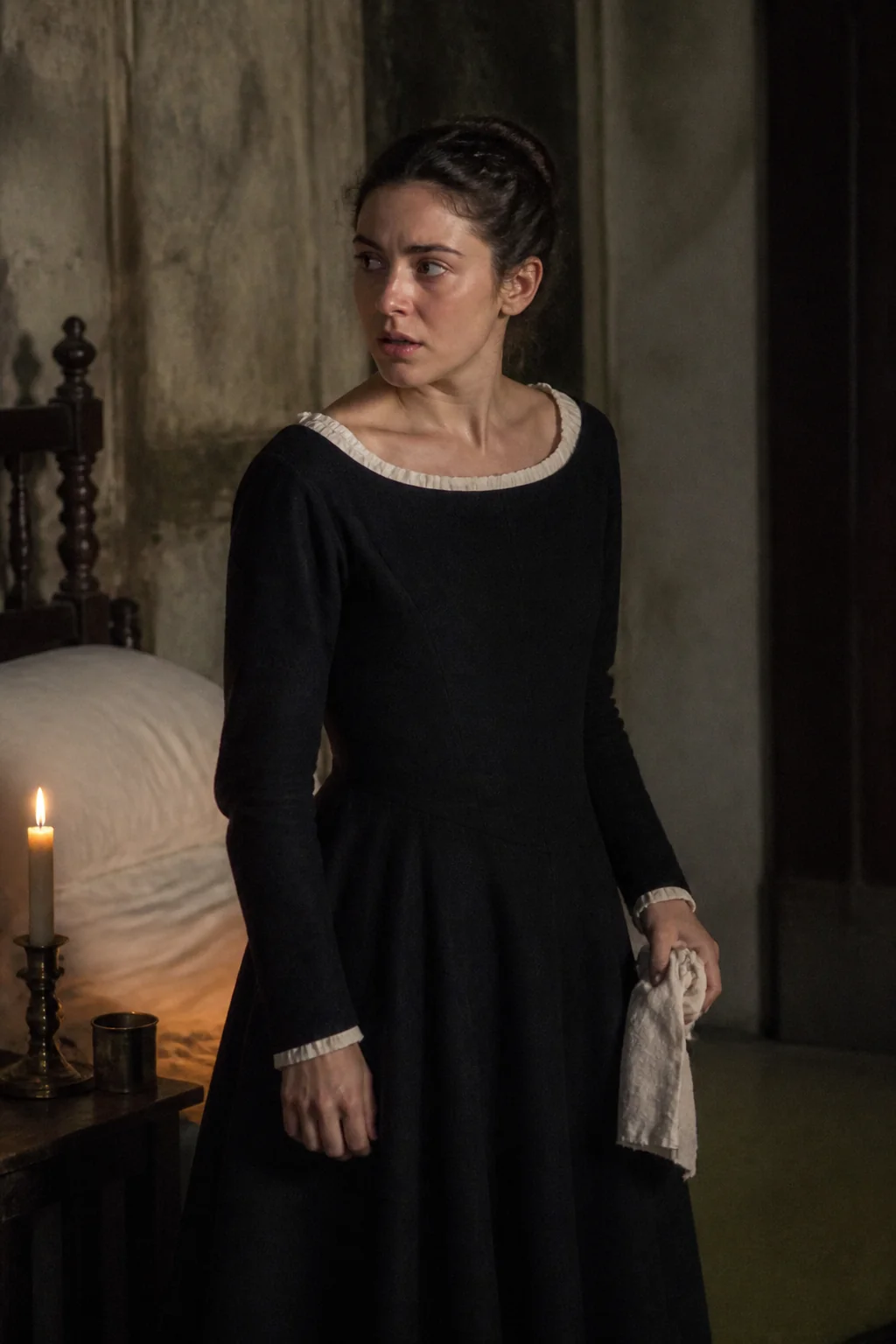
Desdemona
A woman who speaks plainly and faithfully is trapped in a world trained to mistrust her voice.
Othello
The cast, locations, objects of note, core concepts, and selected passages in the Author’s Pen - at your own pace.
The Othello World, as it plays on your phone
- Meet the people. 14 characters, each with a portrait, who they are and what they want.
- Walk the places. 13 places, each pictured, and what happens there.
- Follow the plot. The turns of the story, in order, so you always know where you are.
- Taste the original. 56 key passages in William Shakespeare’s own words, each with a short reading of what it is doing.
- The complete book. Every word, in a reader made for your phone. From any passage, one tap opens the book at that very page.
Step inside Othello
Free, in your inbox in about a minute: the World and the complete book, on your phone.