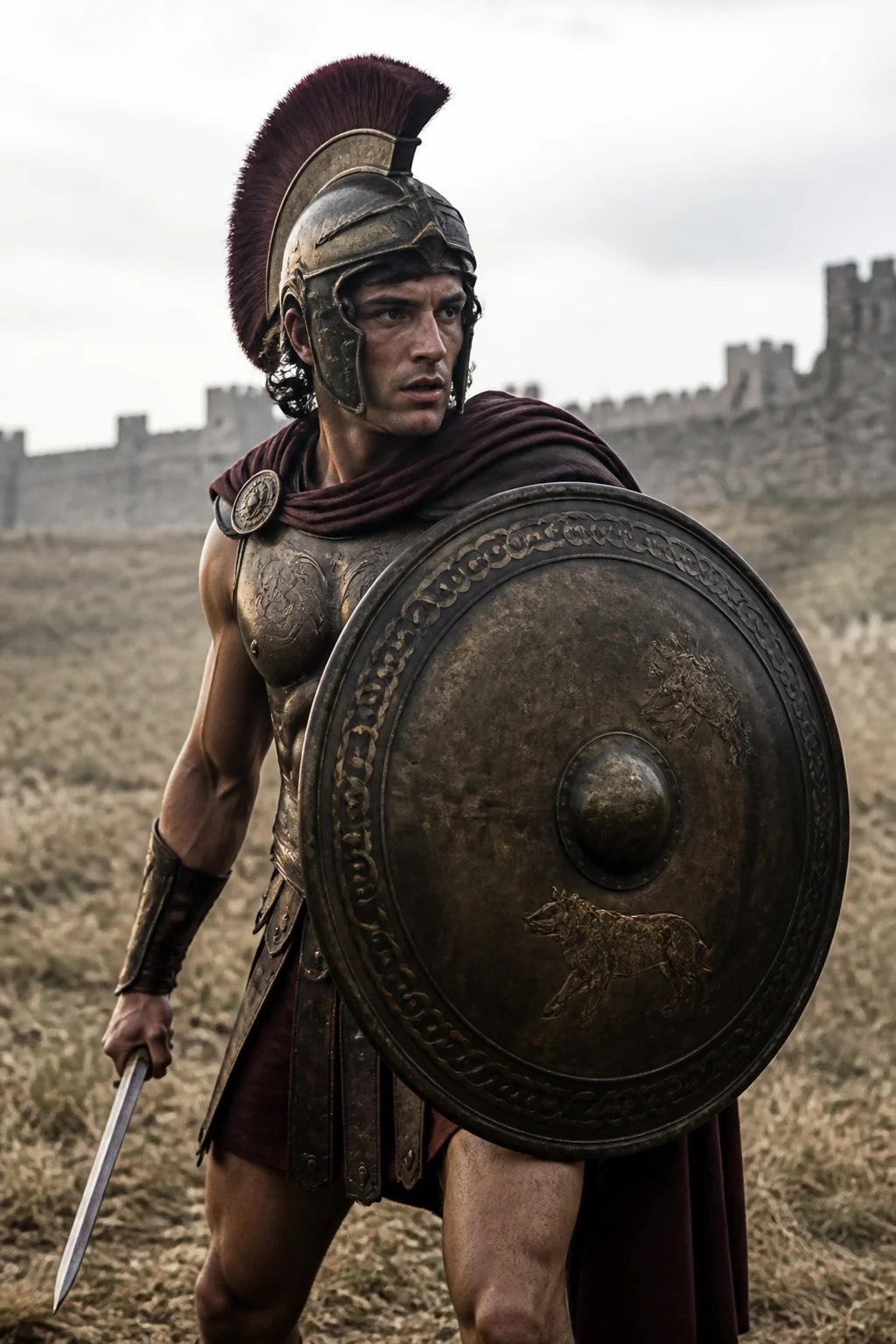
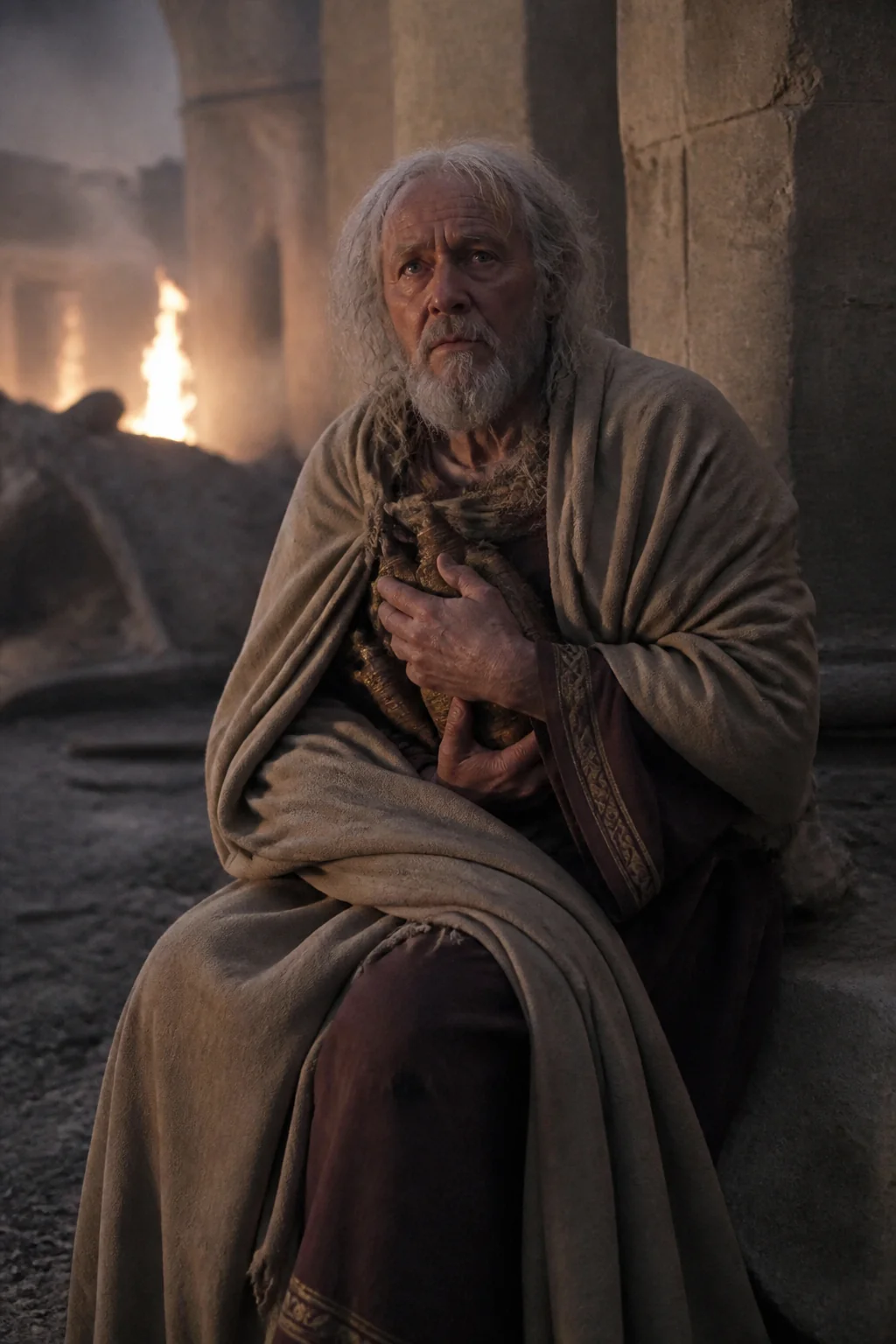
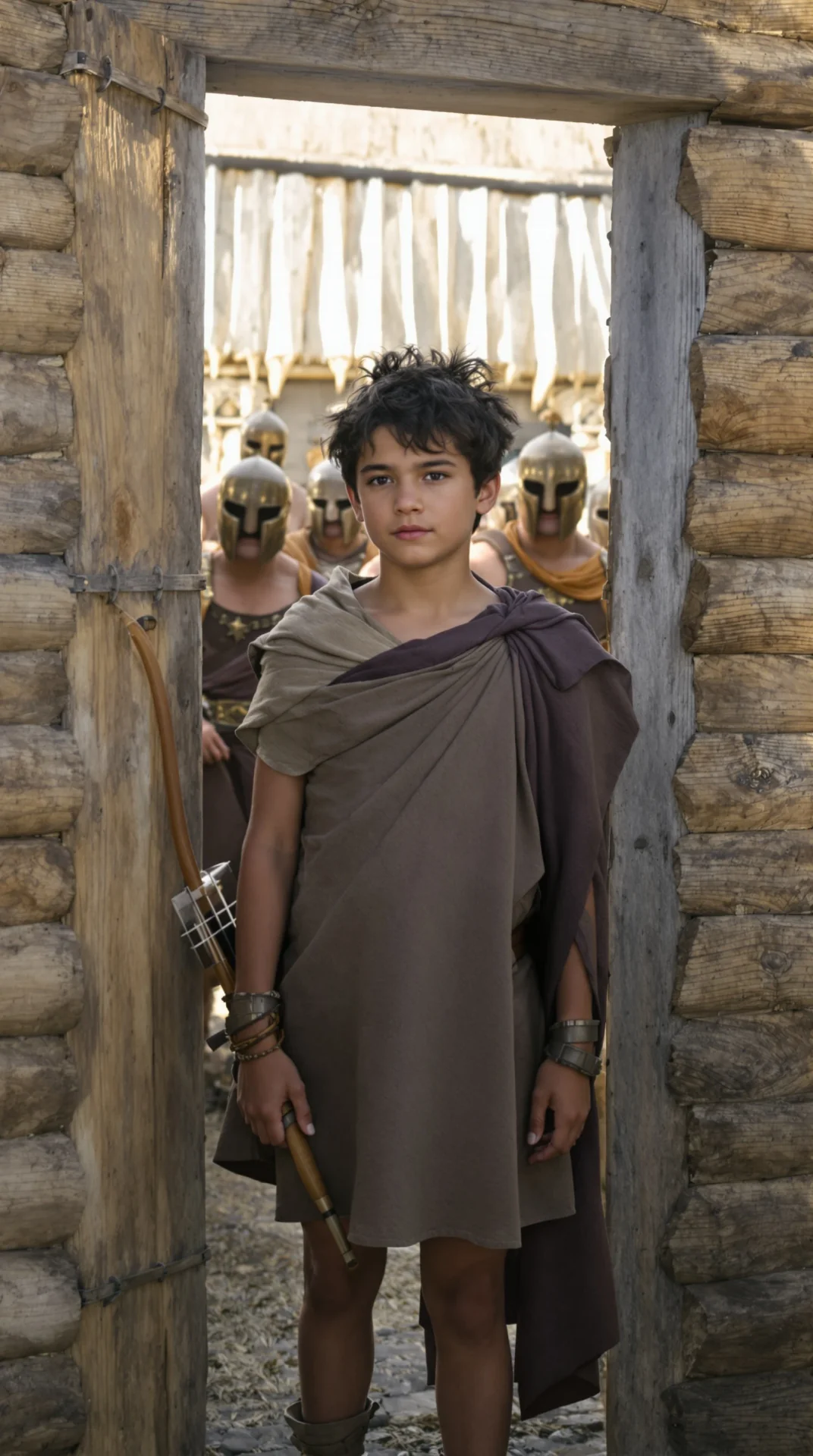
The film without the cuts. And the book itself.
A goddess who cannot forgive hurls a fleet of exiles onto an unknown shore. Above the wreckage, the king of the gods calmly promises them an empire without end.
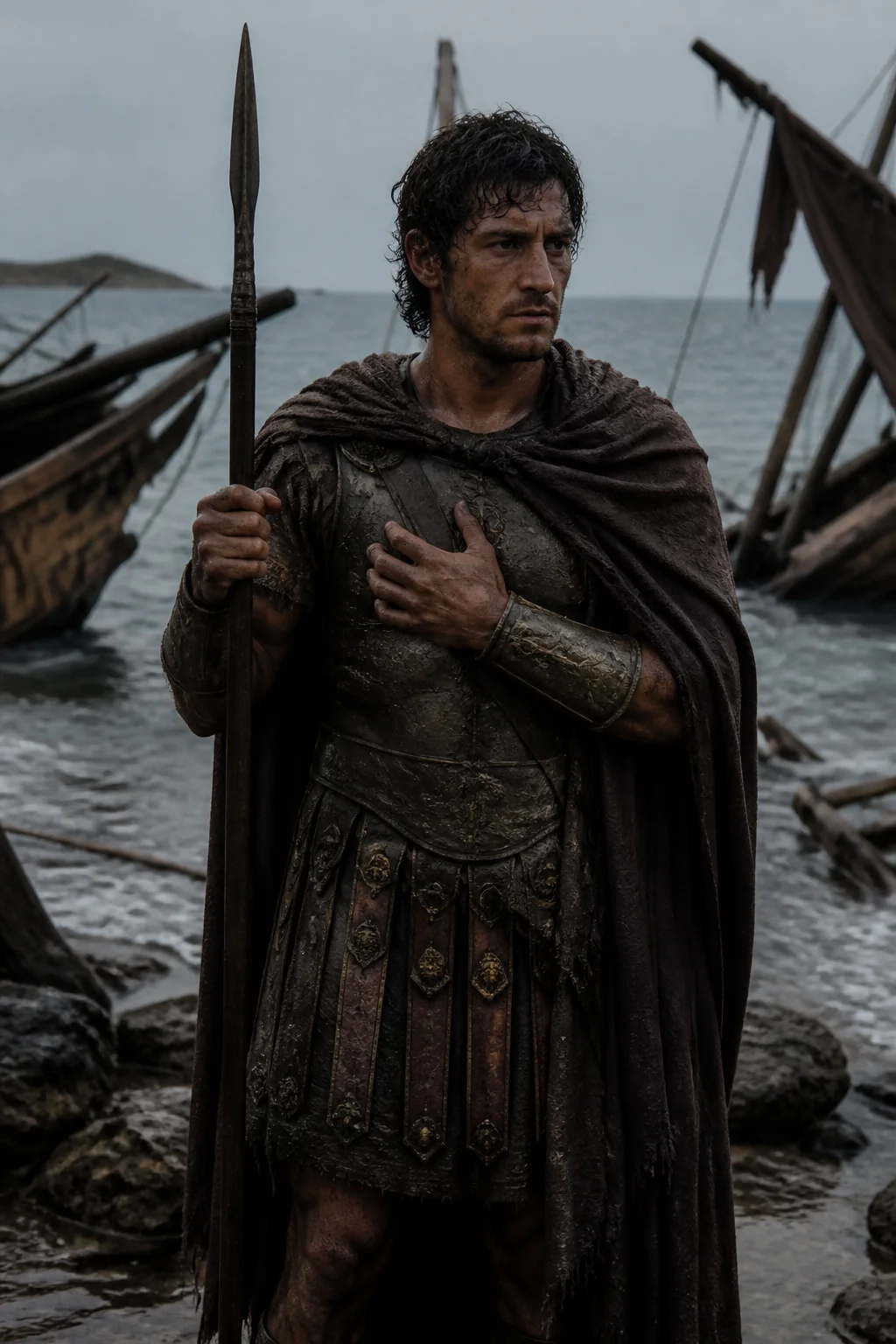
Aeneas
Aeneas carries Troy's dead past and Rome's unborn future through storm, love, prophecy, and war.
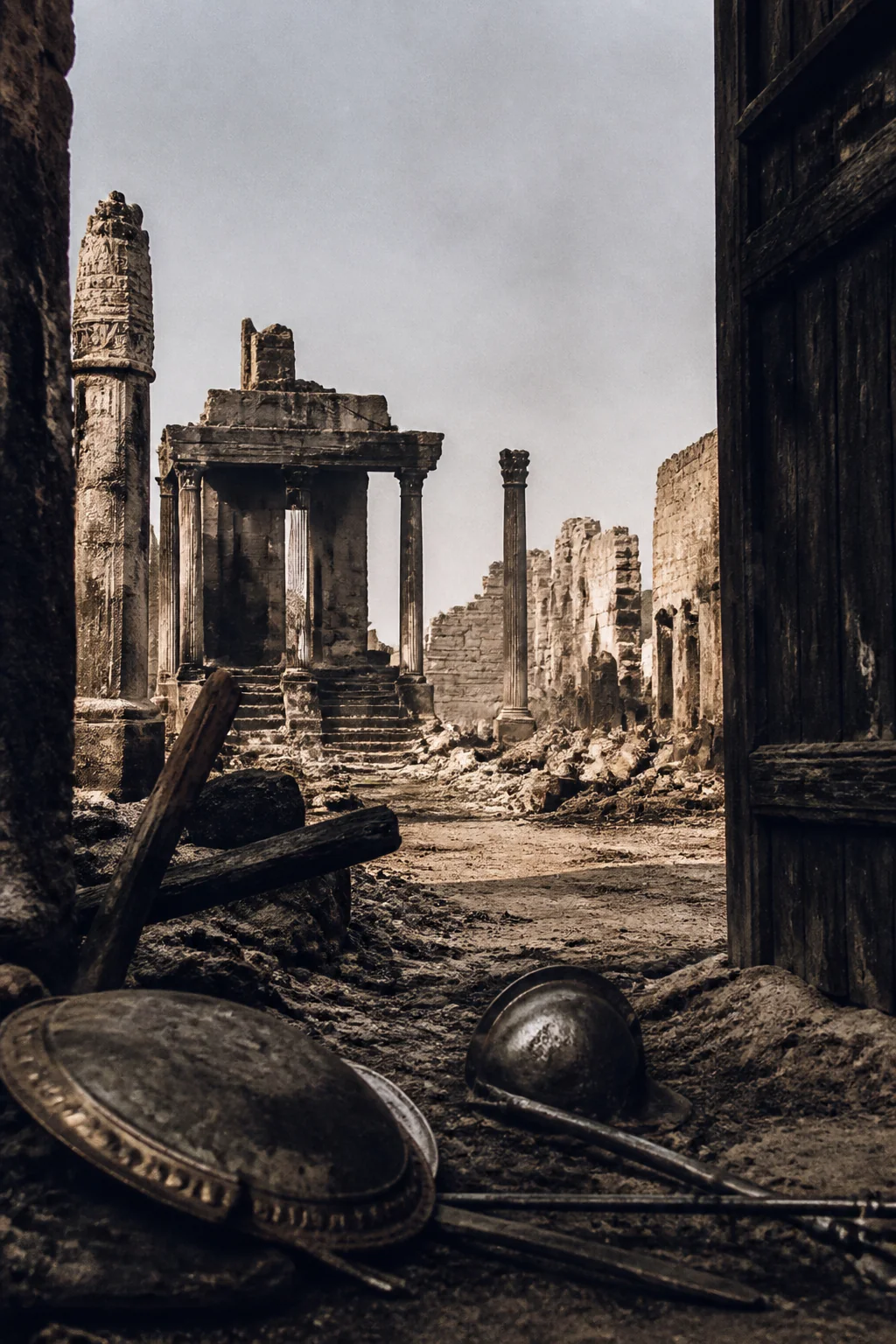
Troy
The home Aeneas can never return to, and can never put down.
A hero chosen by fate must endure a goddess's hatred to found Rome.
Read →Arms and the Man
Arms, and the man I sing, who, forc’d by fate, And haughty Juno’s unrelenting hate, Expell’d and exil’d, left the Trojan shore. Long labours, both by sea and land, he bore, And in the doubtful war, before he won The Latian realm, and built the destin’d town; His banish’d gods restor’d to rites divine, And settled sure succession in his line, From whence the race of Alban fathers come, And the long glories of majestic Rome. O Muse! the causes and the crimes relate; What goddess was provok’d, and whence her hate; For what offence the Queen of Heav’n began To persecute so brave, so just a man; Involv’d his anxious life in endless cares, Expos’d to wants, and hurried into wars! Can heav’nly minds such high resentment show, Or exercise their spite in human woe?
The poem opens by naming its whole subject in one breath, then ends unable to believe it. Virgil declares his theme, arms and Aeneas, the man driven from Troy by fate and by Juno's hatred to found the line that becomes Rome. But once he calls on the Muse to explain the cause, the confidence cracks: he wants to know why "the Queen of Heav'n" would hound "so brave, so just a man." The final question is not rhetorical filler but real astonishment that gods can carry so much spite: "Can heav'nly minds such high resentment show?" The epic begins by admitting its hero suffered for no fault of his own.
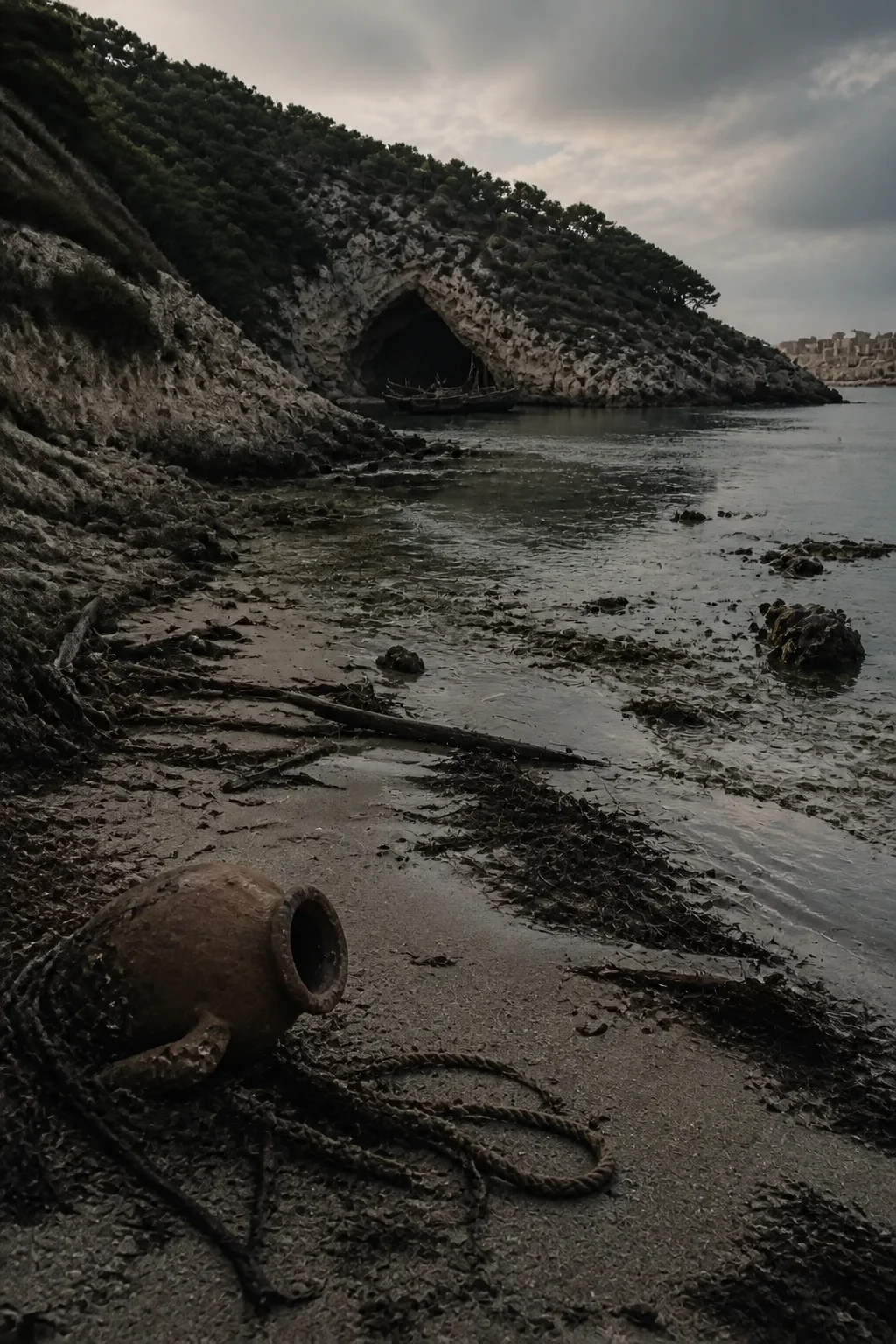
The Storm and the Promise
A goddess who cannot forgive hurls a fleet of exiles onto an unknown shore. Above the wreckage, the king of the gods calmly promises them an empire without end.
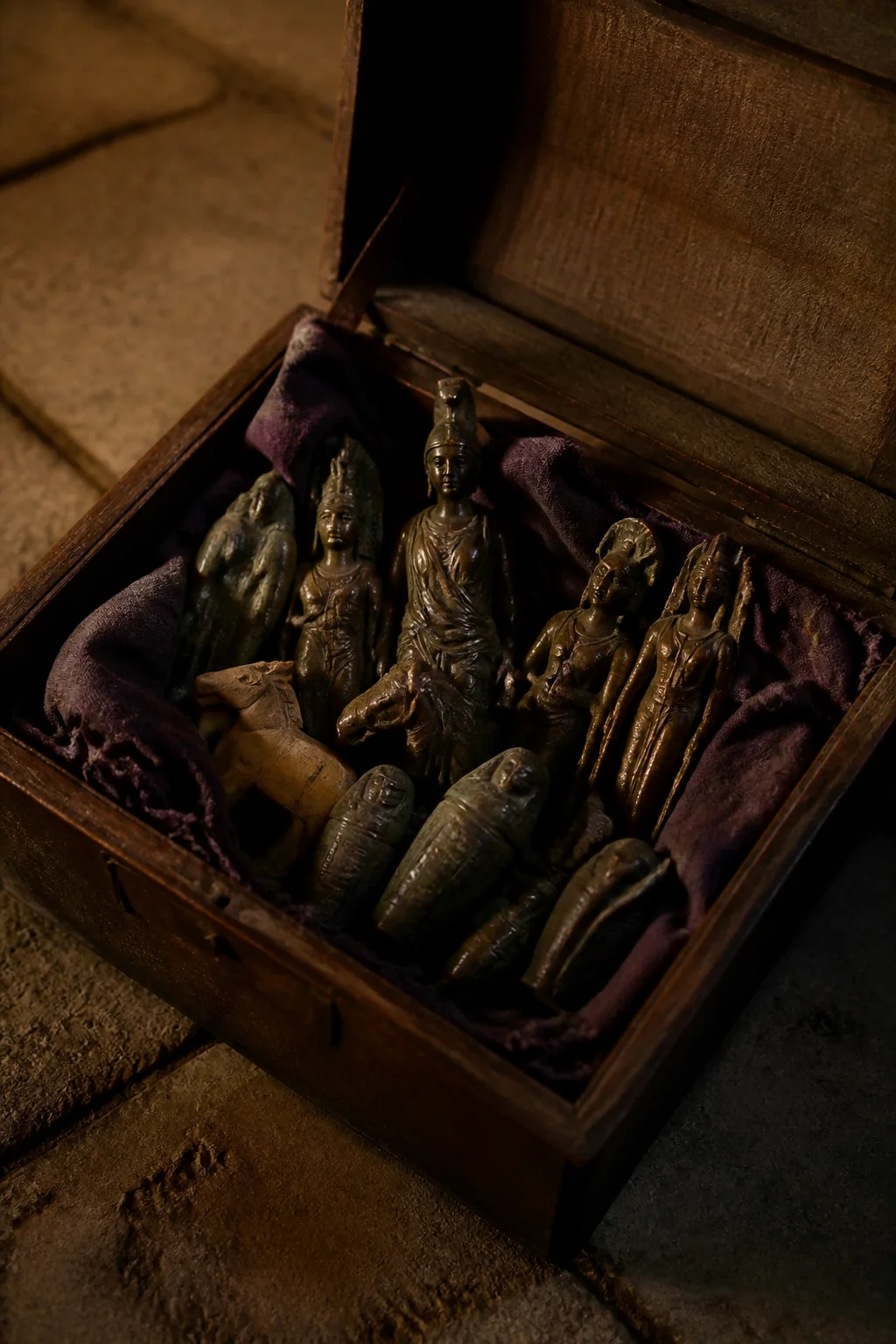
Household Gods / Penates
Aeneas carries Troy's household gods out of the fire, and the duty never lifts.
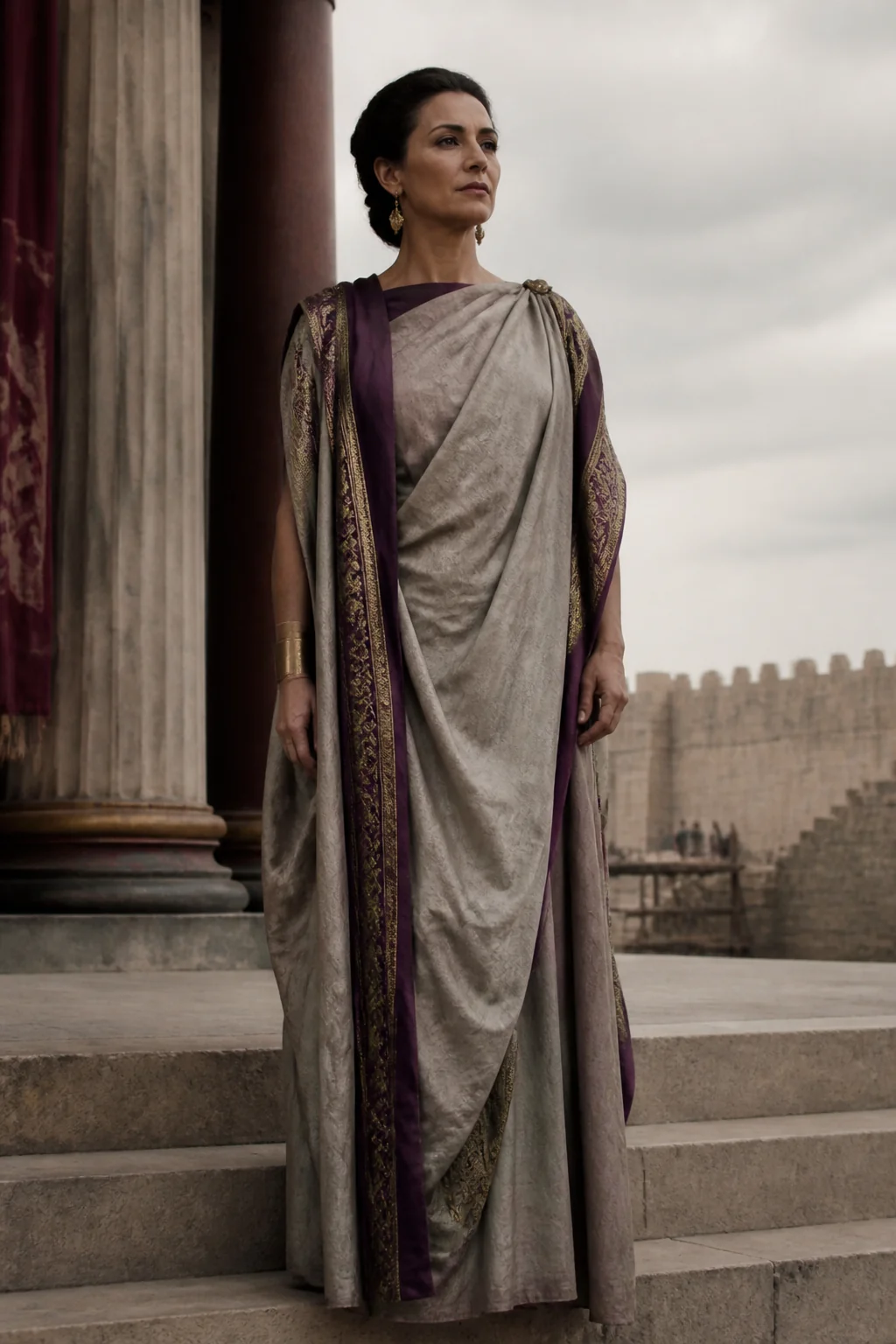
Dido
Dido is the brilliant founder-queen whose city becomes the future Rome must abandon.
The Aeneid
The cast, locations, objects of note, core concepts, and selected passages in the Author’s Pen - at your own pace.
The Aeneid World, as it plays on your phone
- Meet the people. 56 characters, each with a portrait, who they are and what they want.
- Walk the places. 22 places, each pictured, and what happens there.
- Follow the plot. The turns of the story, in order, so you always know where you are.
- Taste the original. 52 key passages in Virgil’s own words, each with a short reading of what it is doing.
- The complete book. Every word, in a reader made for your phone. From any passage, one tap opens the book at that very page.
Step inside The Aeneid
Free, in your inbox in about a minute: the World and the complete book, on your phone.