The film without the cuts. And the book itself.
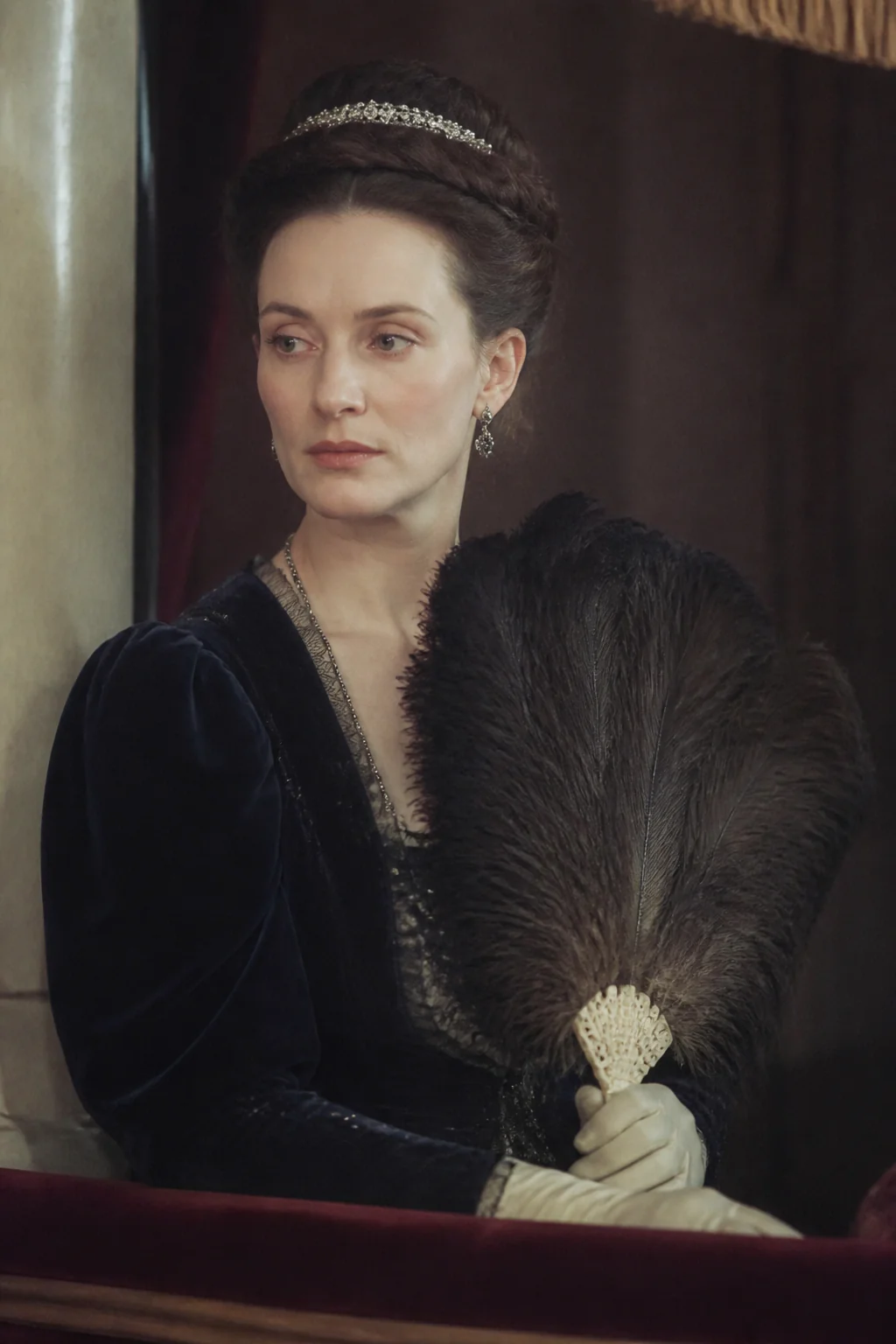
Before the stage drama even matters, the opera box has already decided who belongs.
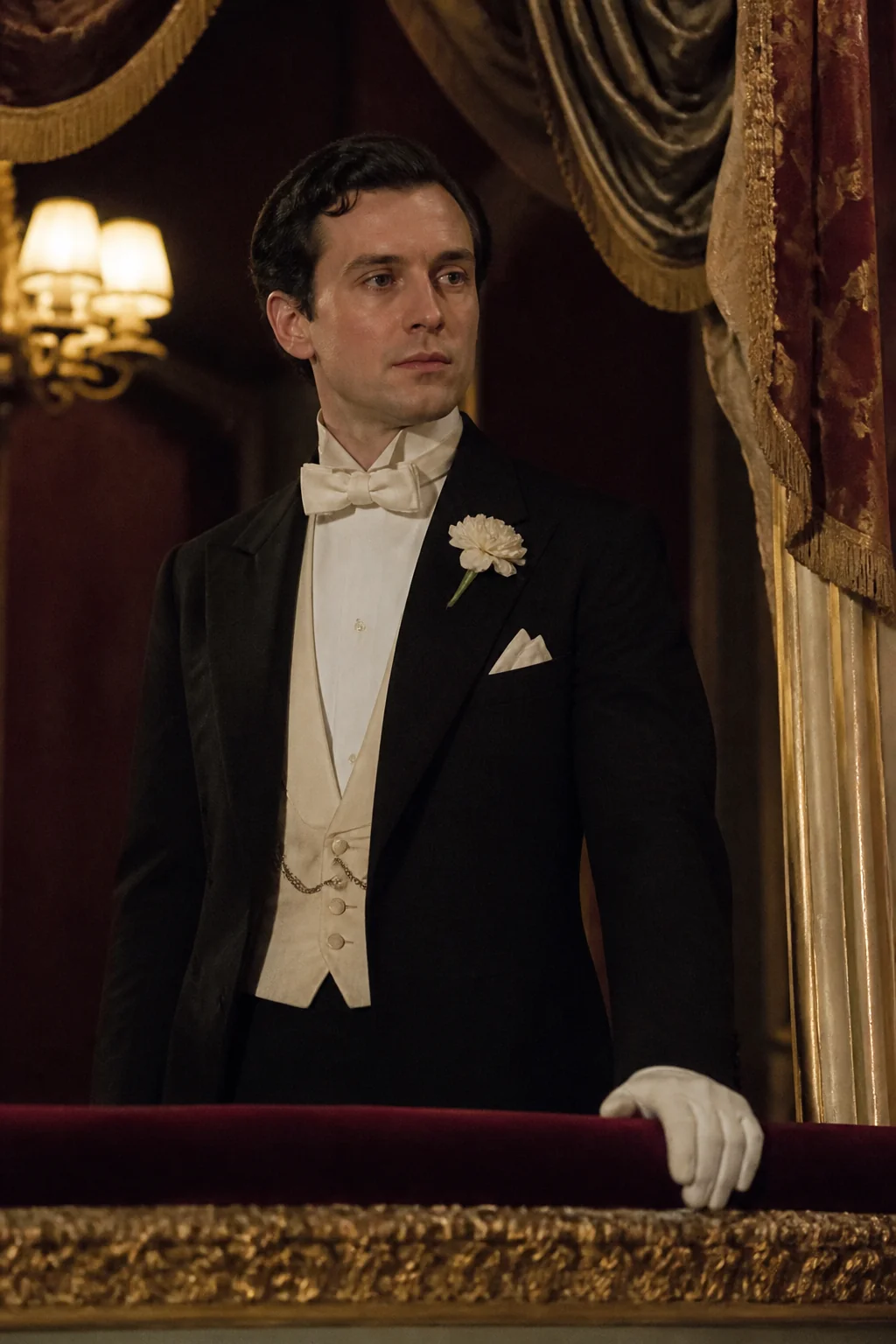
Newland Archer
A cultivated young man discovers that taste is easier than courage.
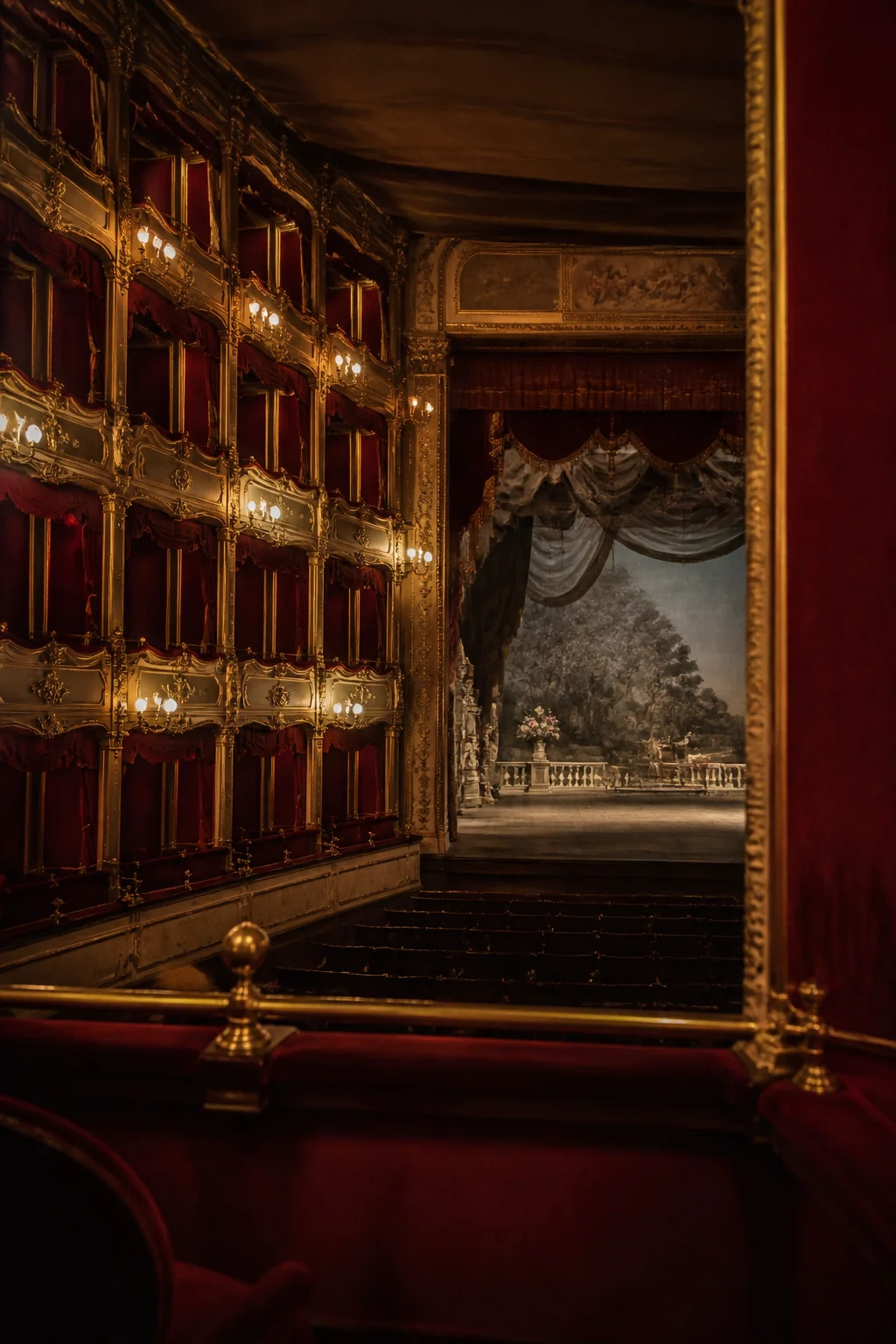
Academy of Music
In these boxes an opera night becomes a quiet trial of who belongs.
At the opera, prestige depends as much on exclusion and escape as art.
Read →The Academy and the New People
On a January evening of the early seventies, Christine Nilsson was singing in Faust at the Academy of Music in New York.
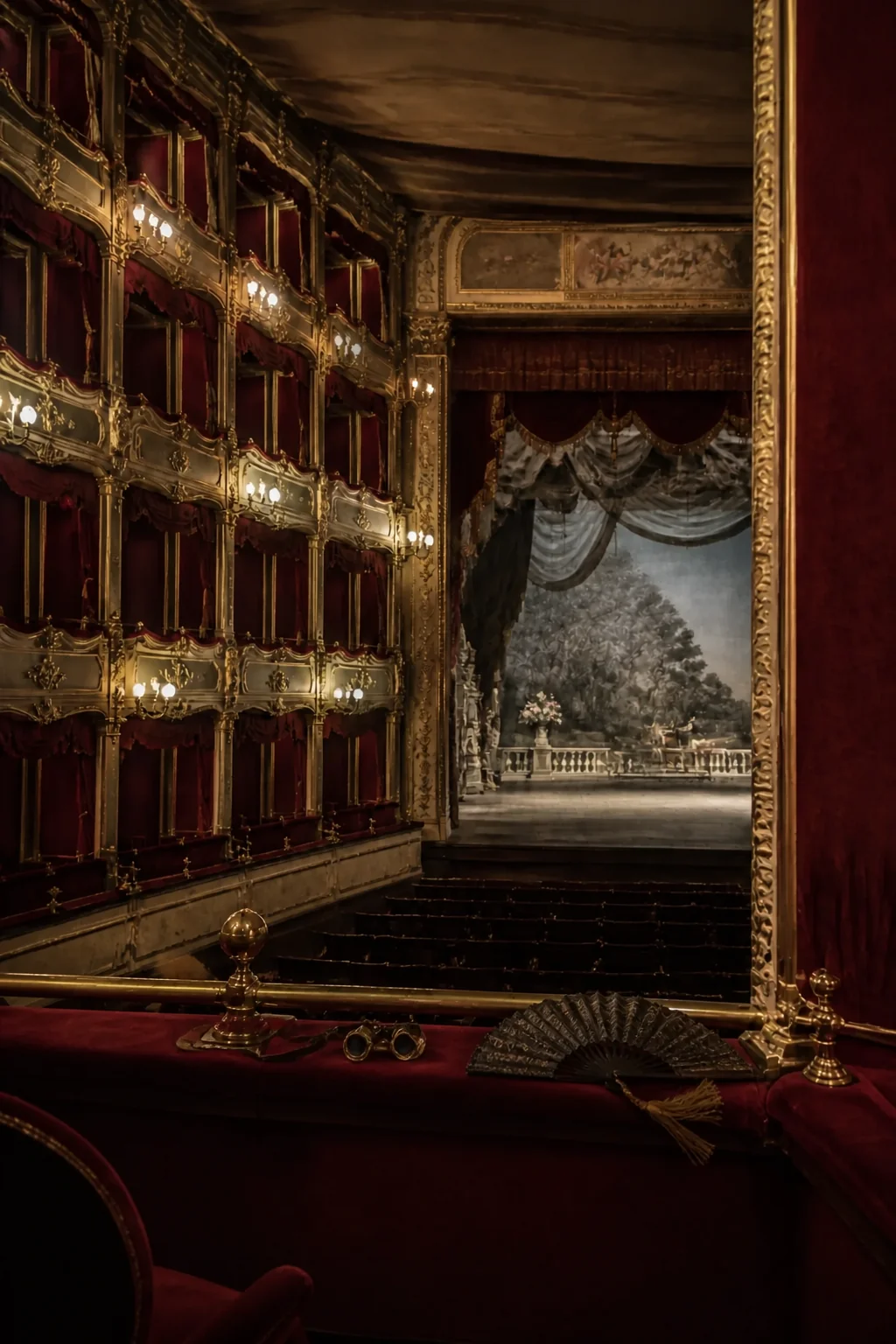
Though there was already talk of the erection, in remote metropolitan distances "above the Forties," of a new Opera House which should compete in costliness and splendour with those of the great European capitals, the world of fashion was still content to reassemble every winter in the shabby red and gold boxes of the sociable old Academy. Conservatives cherished it for being small and inconvenient, and thus keeping out the "new people" whom New York was beginning to dread and yet be drawn to; and the sentimental clung to it for its historic associations, and the musical for its excellent acoustics, always so problematic a quality in halls built for the hearing of music.
It was Madame Nilsson's first appearance that winter, and what the daily press had already learned to describe as "an exceptionally brilliant audience" had gathered to hear her, transported through the slippery, snowy streets in private broughams, in the spacious family landau, or in the humbler but more convenient "Brown coupe." To come to the Opera in a Brown coupe was almost as honourable a way of arriving as in one's own carriage; and departure by the same means had the immense advantage of enabling one (with a playful allusion to democratic principles) to scramble into the first Brown conveyance in the line, instead of waiting till the cold-and-gin congested nose of one's own coachman gleamed under the portico of the Academy. It was one of the great livery-stableman's most masterly intuitions to have discovered that Americans want to get away from amusement even more quickly than they want to get to it.
This society keeps its opera house shabby on purpose. The old Academy is small and inconvenient, and that is exactly why the established families cherish it: the discomfort is a filter, a way of keeping out the "new people" whom New York both fears and finds itself drawn to. Wharton is showing us a world that guards its borders through taste rather than rules. And the closing joke, that Americans are even more eager to flee their pleasures than to reach them, quietly tells us these people do not much enjoy the things they turn out for.
The Opera Is Already a Trial
Before the stage drama even matters, the opera box has already decided who belongs.

Opera-glass
A small lens lets New York inspect a woman before anyone speaks to her.
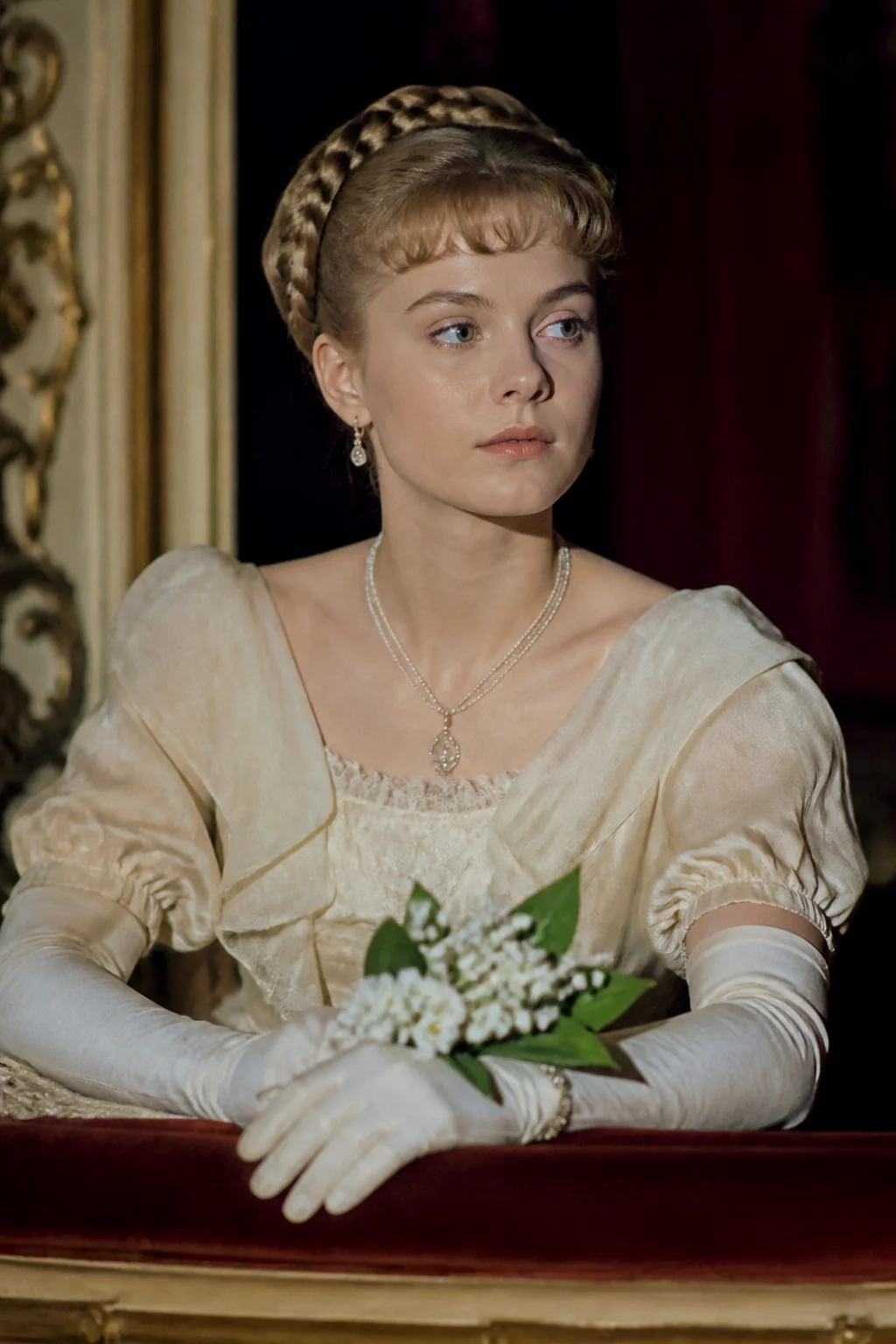
May Welland
White flowers and clear eyes conceal a perfect instinct for social survival.
The Age of Innocence
The cast, locations, objects of note, core concepts, and selected passages in the Author’s Pen - at your own pace.
The Age of Innocence World, as it plays on your phone
- Meet the people. 29 characters, each with a portrait, who they are and what they want.
- Walk the places. 17 places, each pictured, and what happens there.
- Follow the plot. The turns of the story, in order, so you always know where you are.
- Taste the original. 38 key passages in Edith Wharton’s own words, each with a short reading of what it is doing.
- The complete book. Every word, in a reader made for your phone. From any passage, one tap opens the book at that very page.
Step inside The Age of Innocence
Free, in your inbox in about a minute: the World and the complete book, on your phone.