The film without the cuts. And the book itself.
When Agamemnon seizes his war-prize Briseis, the greatest Greek warrior Achilles withdraws from battle in furious pride.
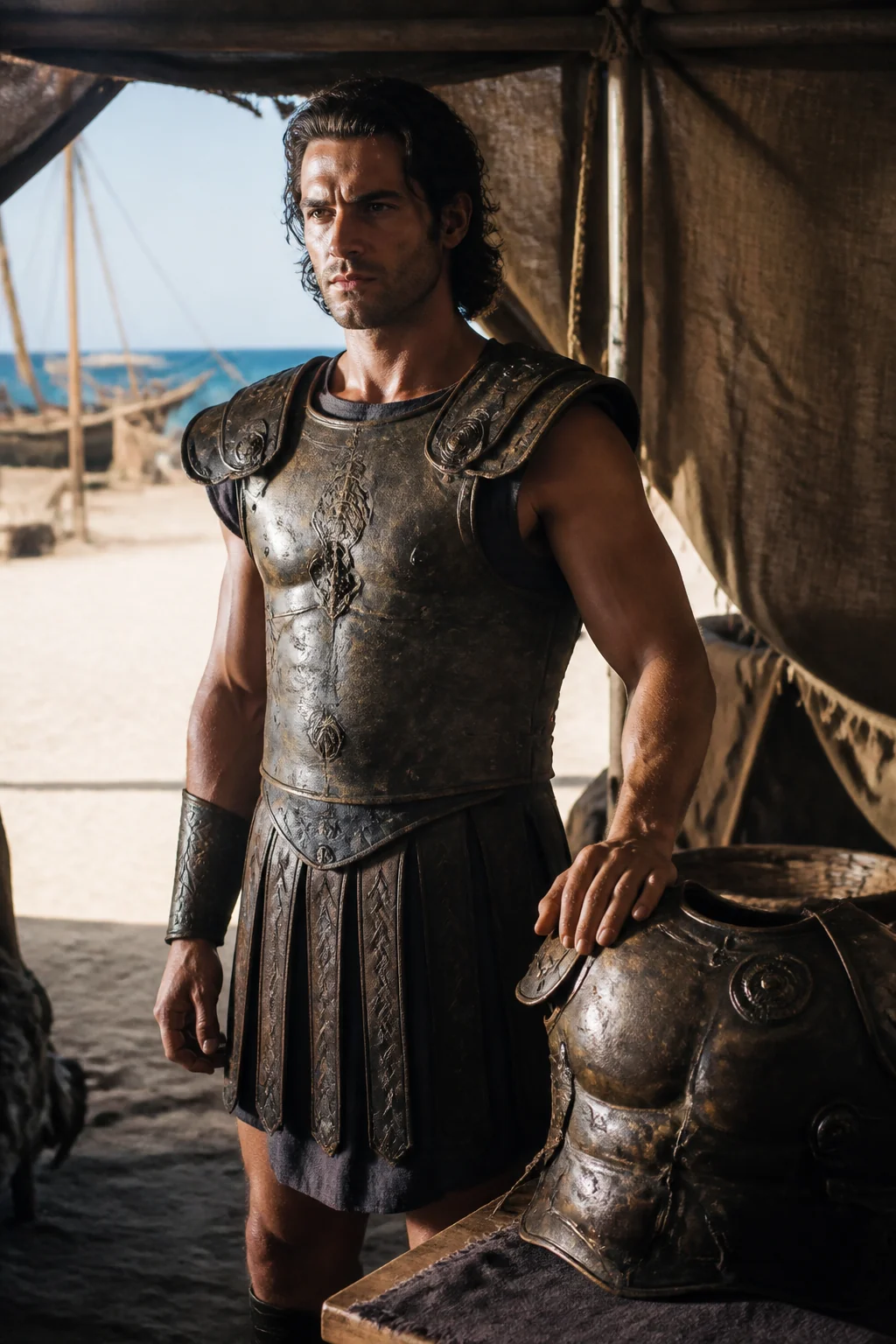
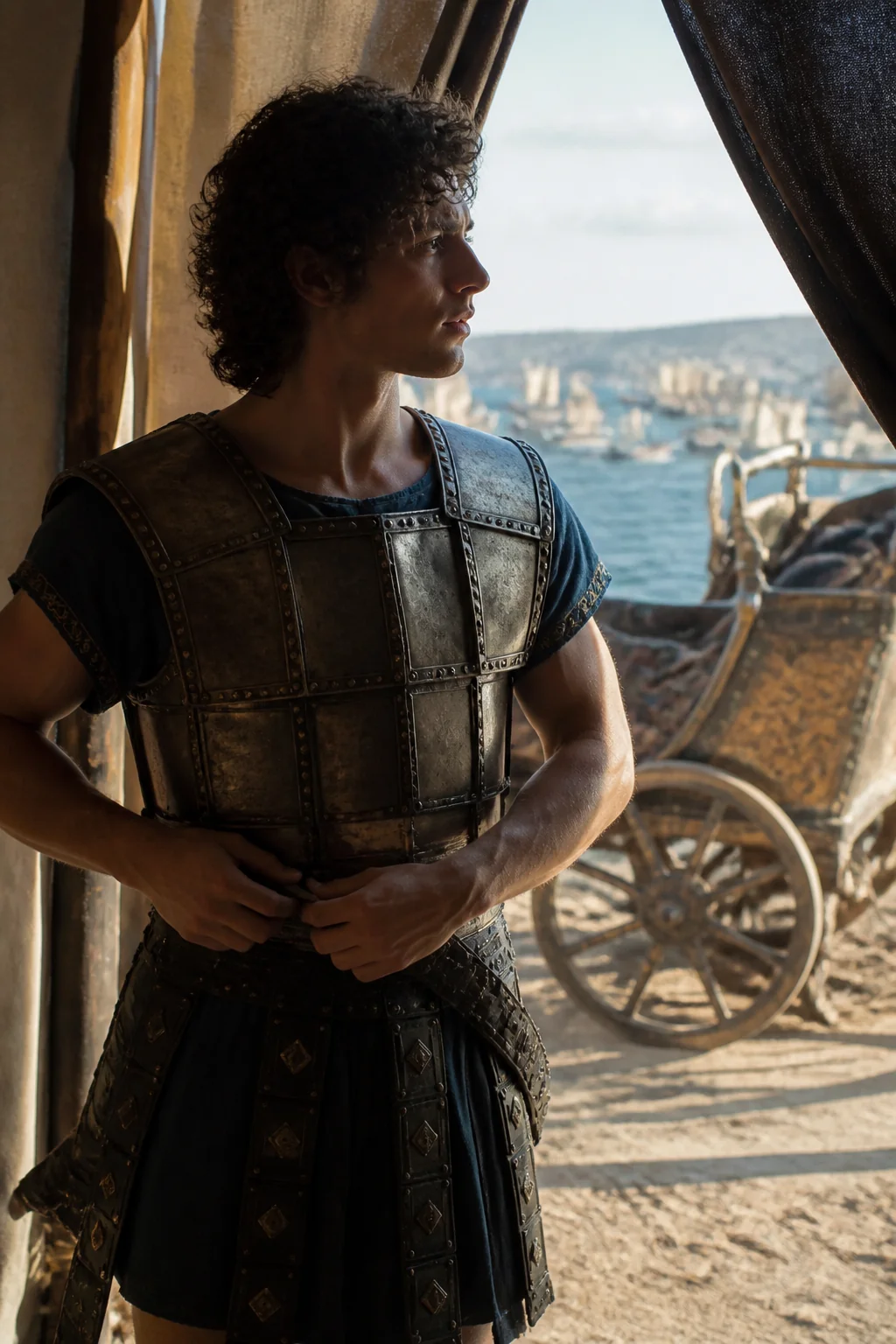
Achilles
The greatest Greek warrior sits apart by the ships while his anger reshapes the whole war.
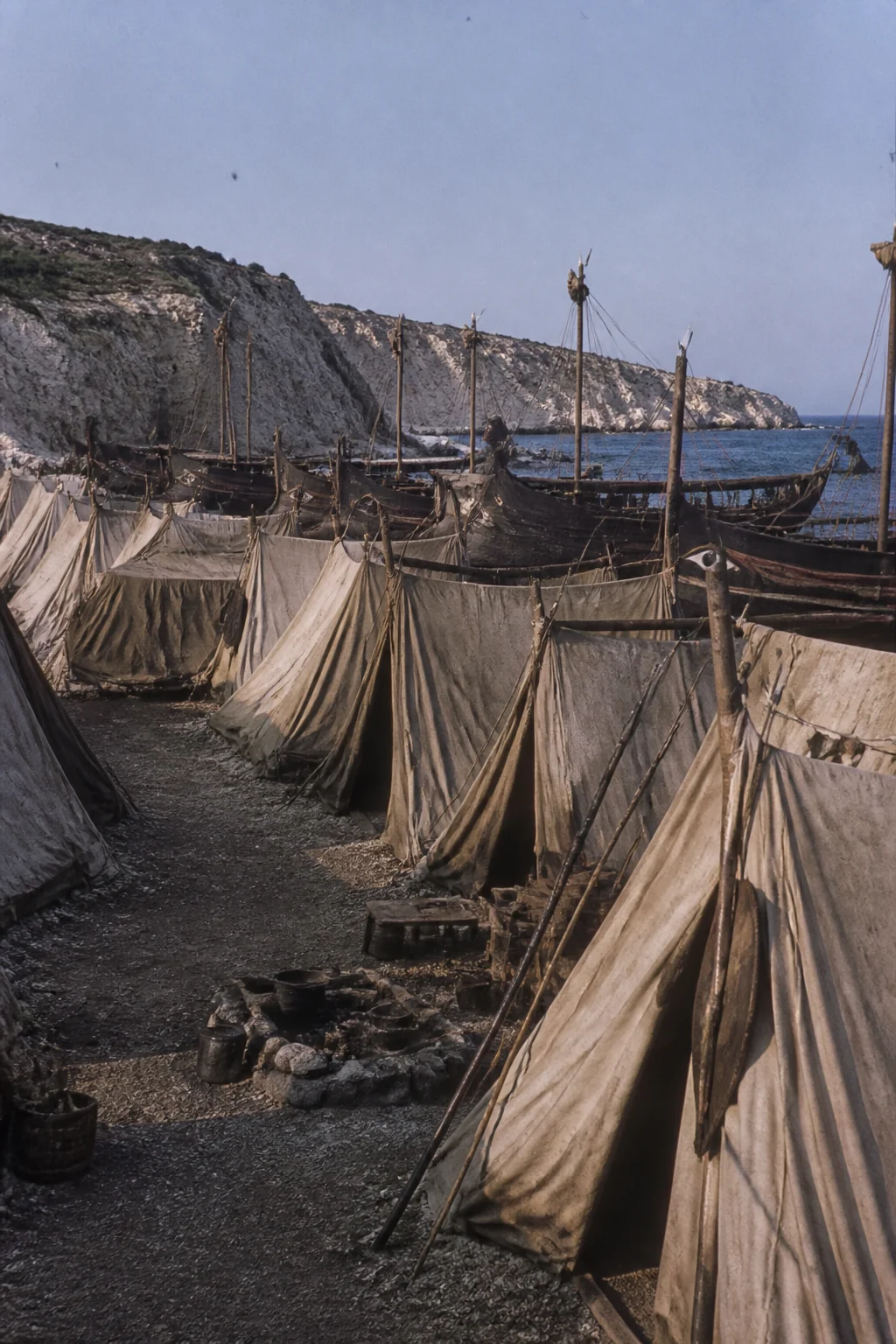
Greek camp
Where the Greeks pull their ships ashore, a single quarrel over honour nearly loses them the war.
One man's rage dooms an army, but which insult first awakened the gods?
Read →Achilles' Wrath
Achilles’ wrath, to Greece the direful spring Of woes unnumber’d, heavenly goddess, sing! That wrath which hurl’d to Pluto’s gloomy reign The souls of mighty chiefs untimely slain; Whose limbs unburied on the naked shore, Devouring dogs and hungry vultures tore. Since great Achilles and Atrides strove, Such was the sovereign doom, and such the will of Jove! Declare, O Muse! in what ill-fated hour Sprung the fierce strife, from what offended power Latona’s son a dire contagion spread, And heap’d the camp with mountains of the dead; The king of men his reverent priest defied, And for the king’s offence the people died.
A poem about a war opens not with the war but with one man's anger, and names it in the very first word. Before we learn who Achilles is or what he wants, we are told his "wrath" was "to Greece the direful spring / Of woes unnumber'd," the source from which everything else flows. The passage then insists on the cost before the cause: souls sent early to death, bodies left for "devouring dogs and hungry vultures" while it circles back to ask how the quarrel began. The last line lands the injustice plainly: "for the king's offence the people died," the ruler sins and the ordinary men pay.
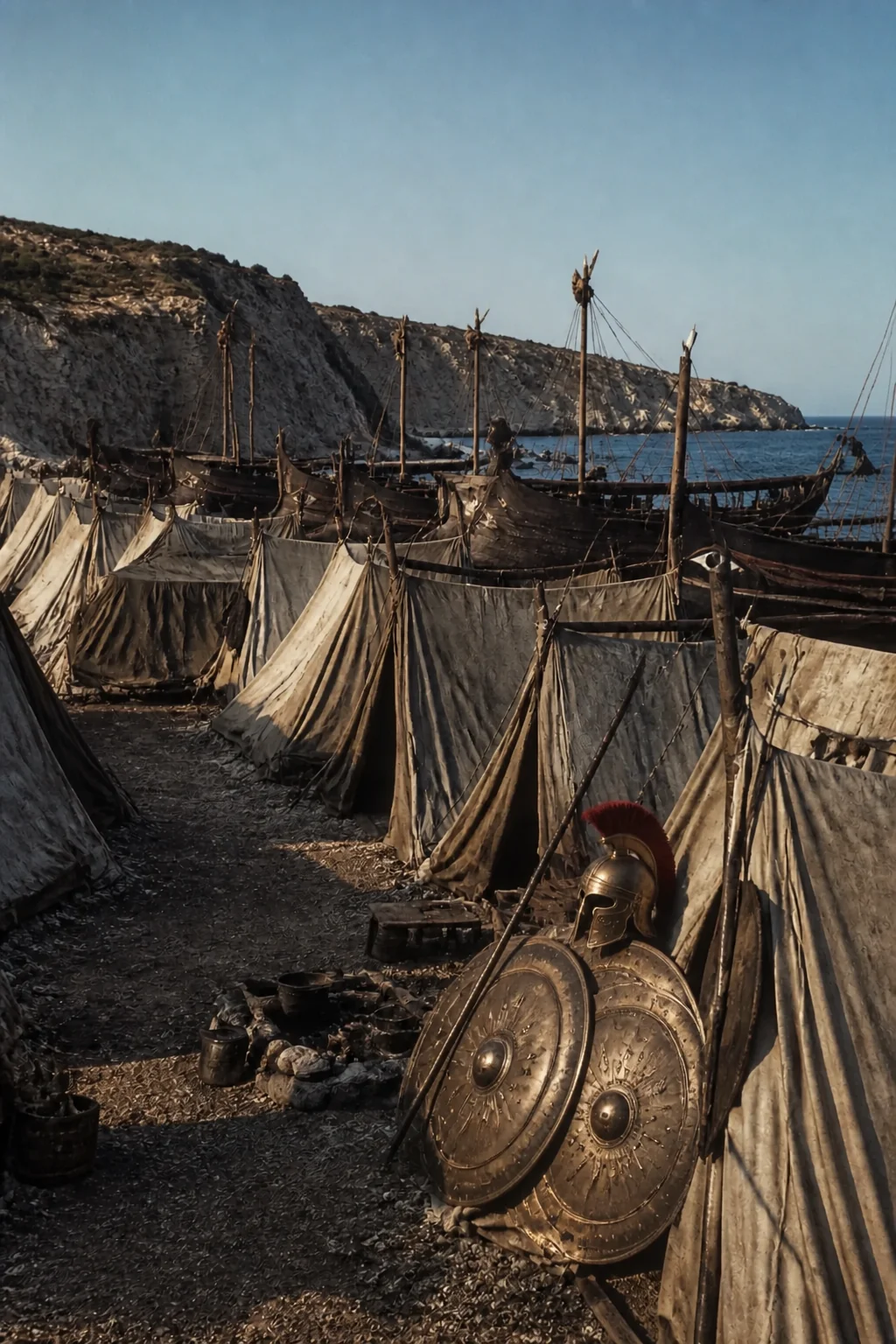
The Wrath of Achilles
When Agamemnon seizes his war-prize Briseis, the greatest Greek warrior Achilles withdraws from battle in furious pride.

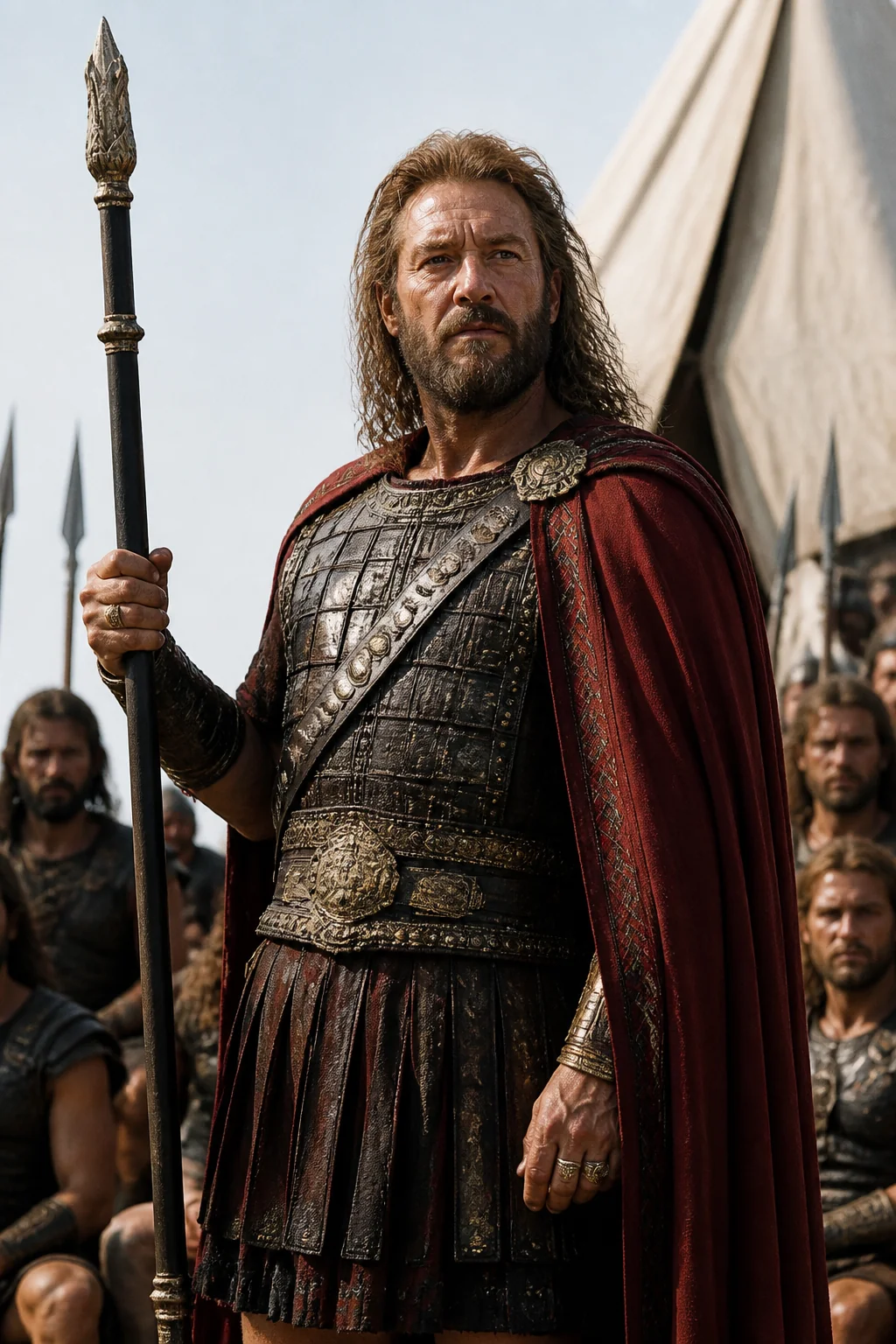
Agamemnon’s sceptre
Whoever holds it may speak and be obeyed, even when he is wrong.
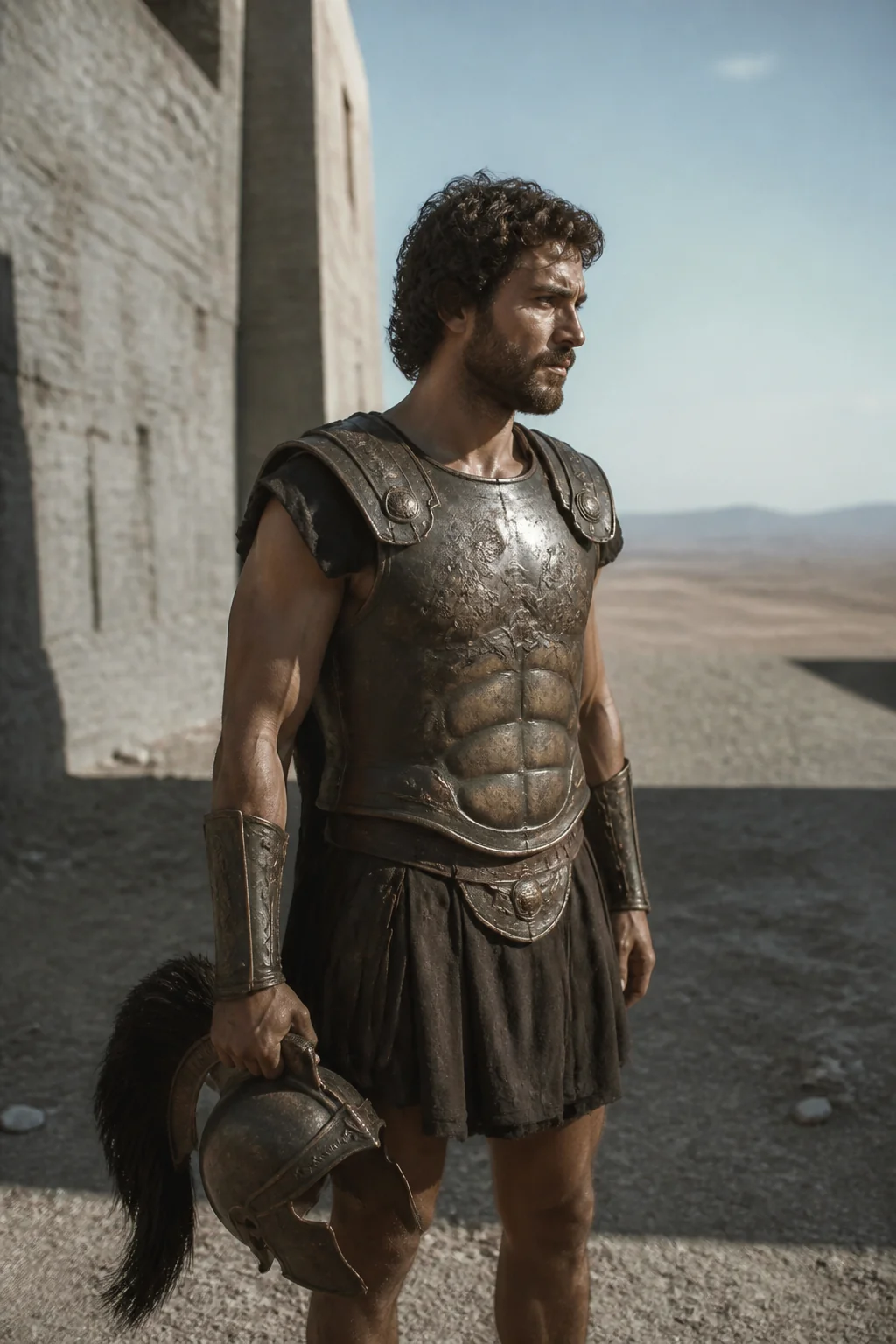
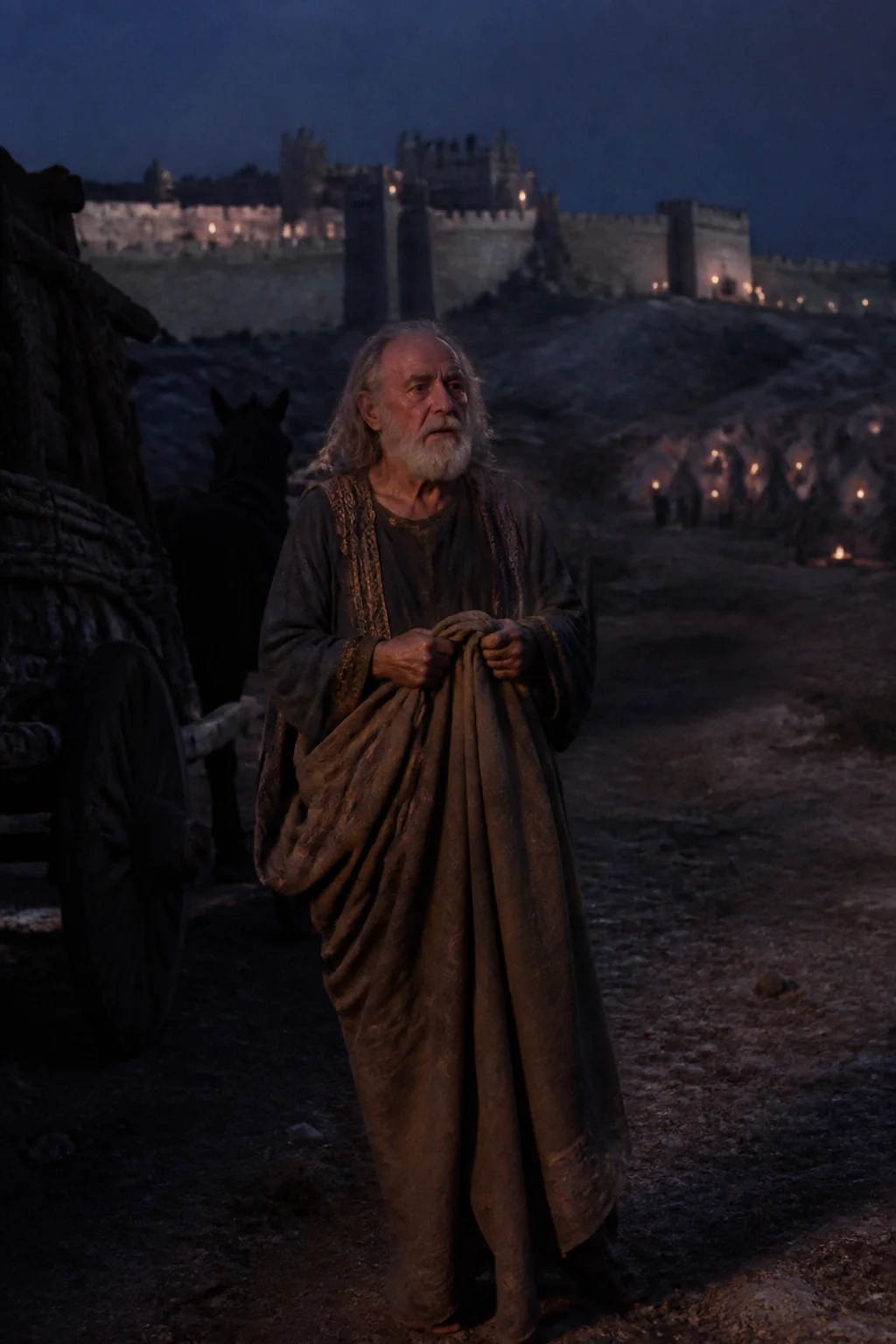
Hector
Troy’s defender stands between the city gates and the army that will remember him as a body.
The Iliad
The cast, locations, objects of note, core concepts, and selected passages in the Author’s Pen - at your own pace.
The Iliad World, as it plays on your phone
- Meet the people. 40 characters, each with a portrait, who they are and what they want.
- Walk the places. 19 places, each pictured, and what happens there.
- Follow the plot. The turns of the story, in order, so you always know where you are.
- Taste the original. 52 key passages in Homer’s own words, each with a short reading of what it is doing.
- The complete book. Every word, in a reader made for your phone. From any passage, one tap opens the book at that very page.
Step inside The Iliad
Free, in your inbox in about a minute: the World and the complete book, on your phone.