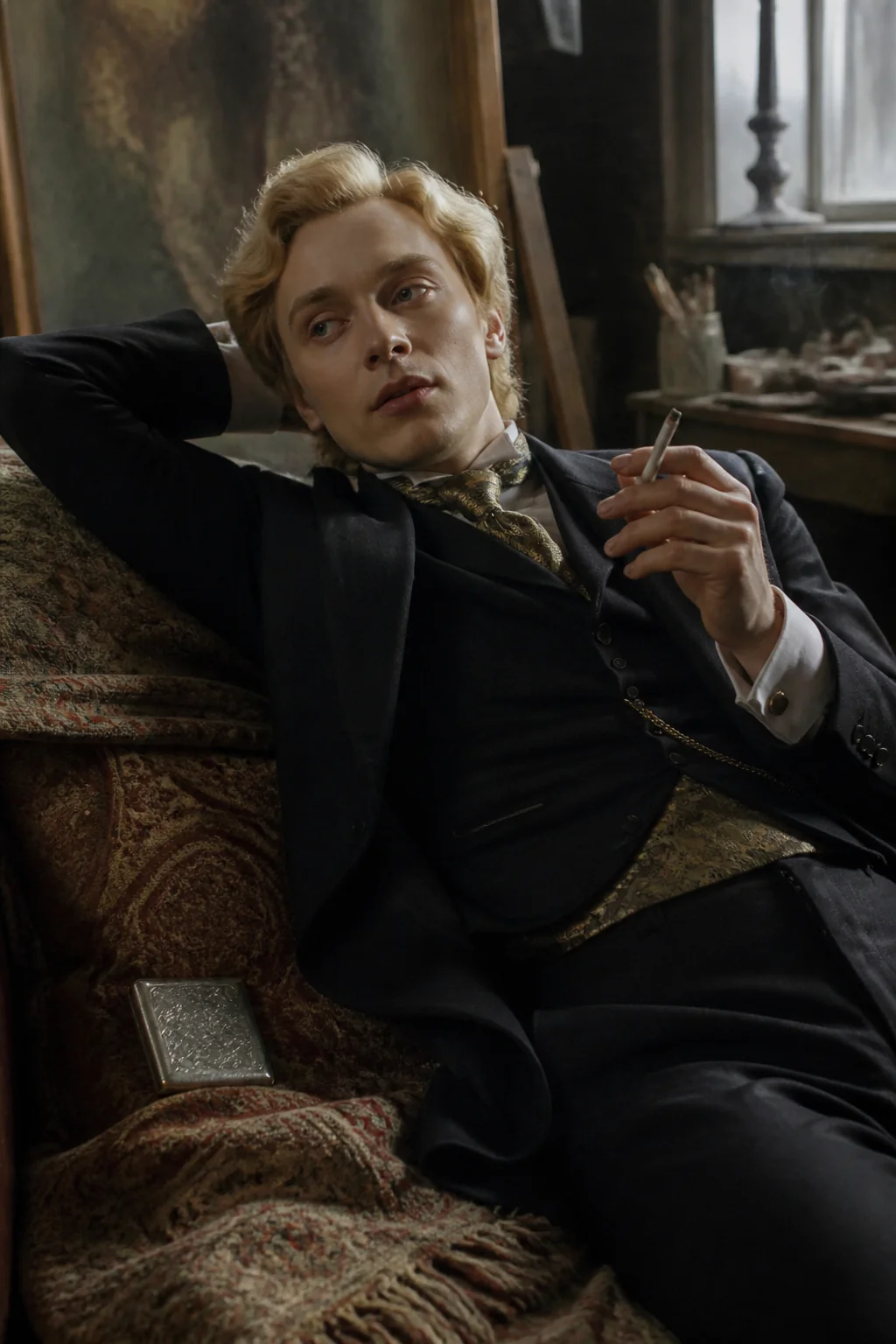
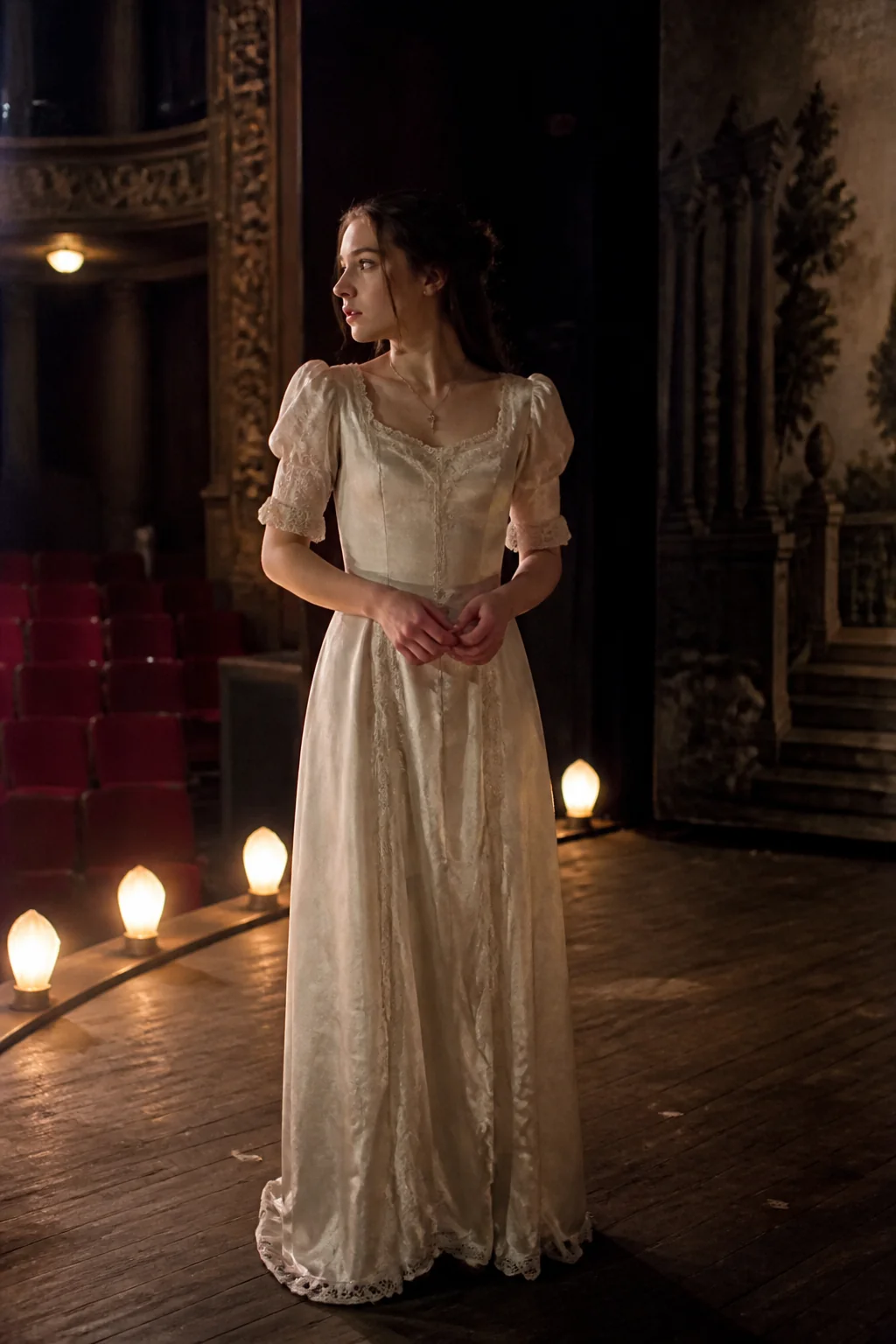
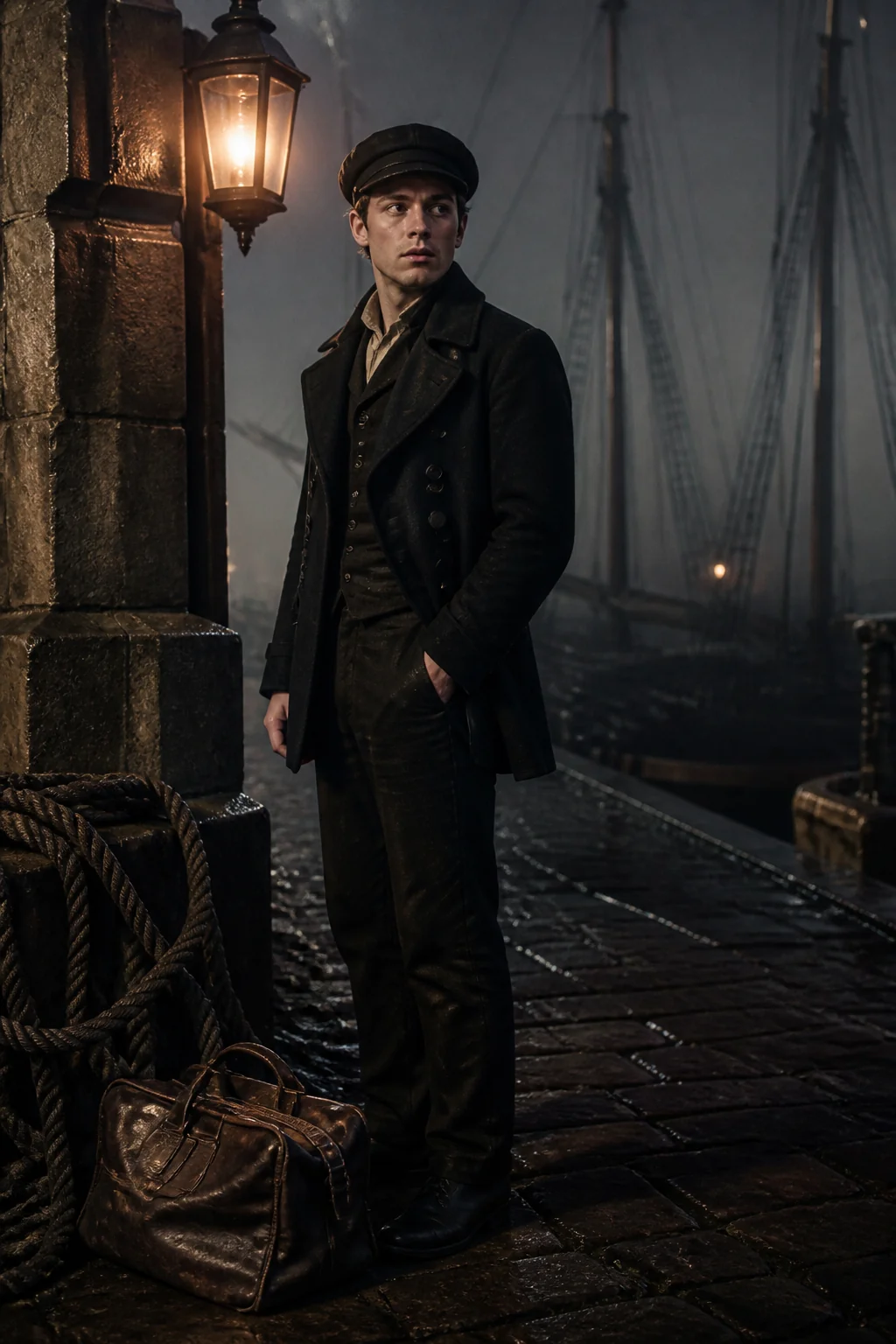
The film without the cuts. And the book itself.
A painter finishes the portrait of a beautiful young man he adores, and fears he has put too much of his own soul into it.
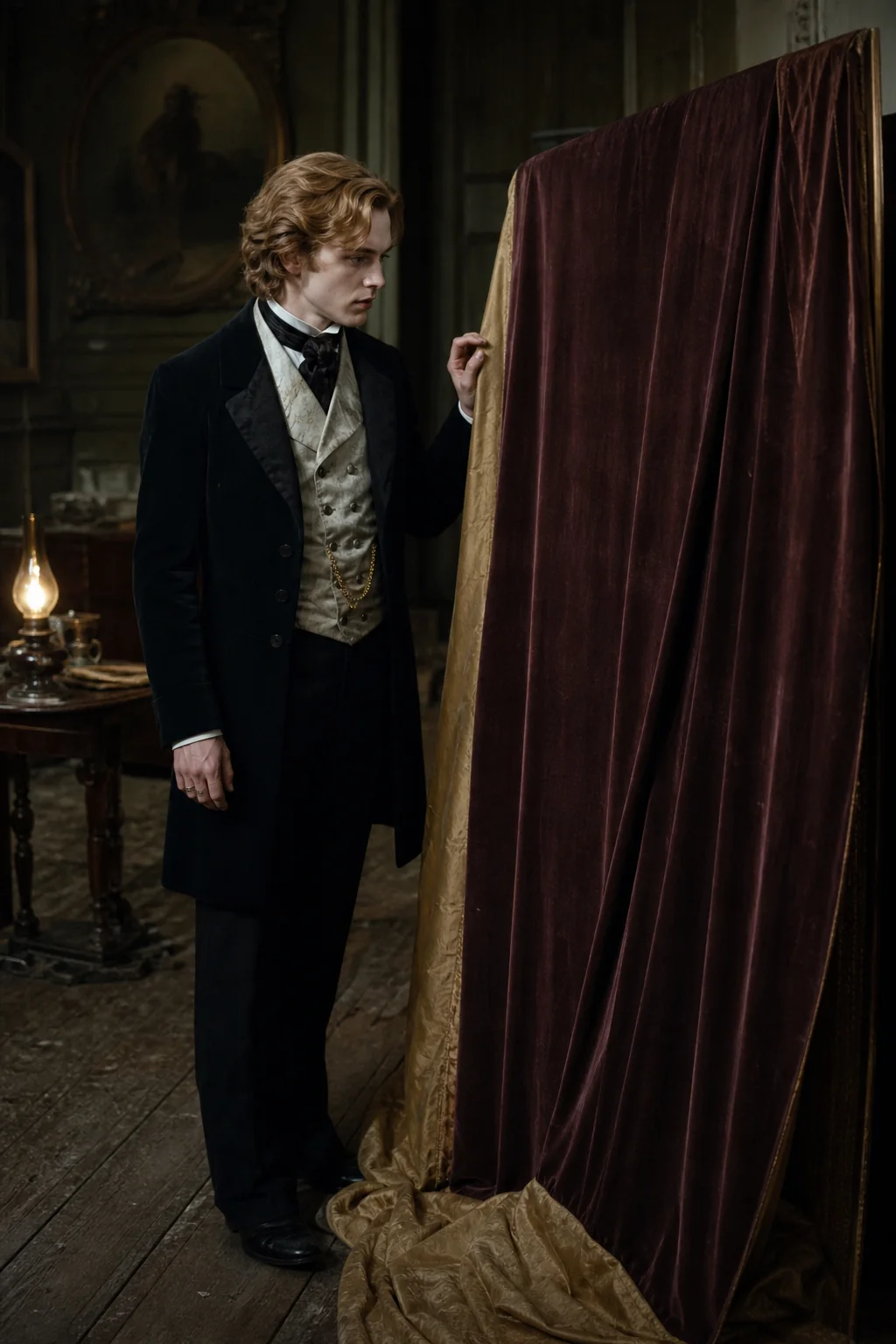
Dorian Gray
A beautiful young man remains outwardly untouched while his portrait keeps the visible record of his life.
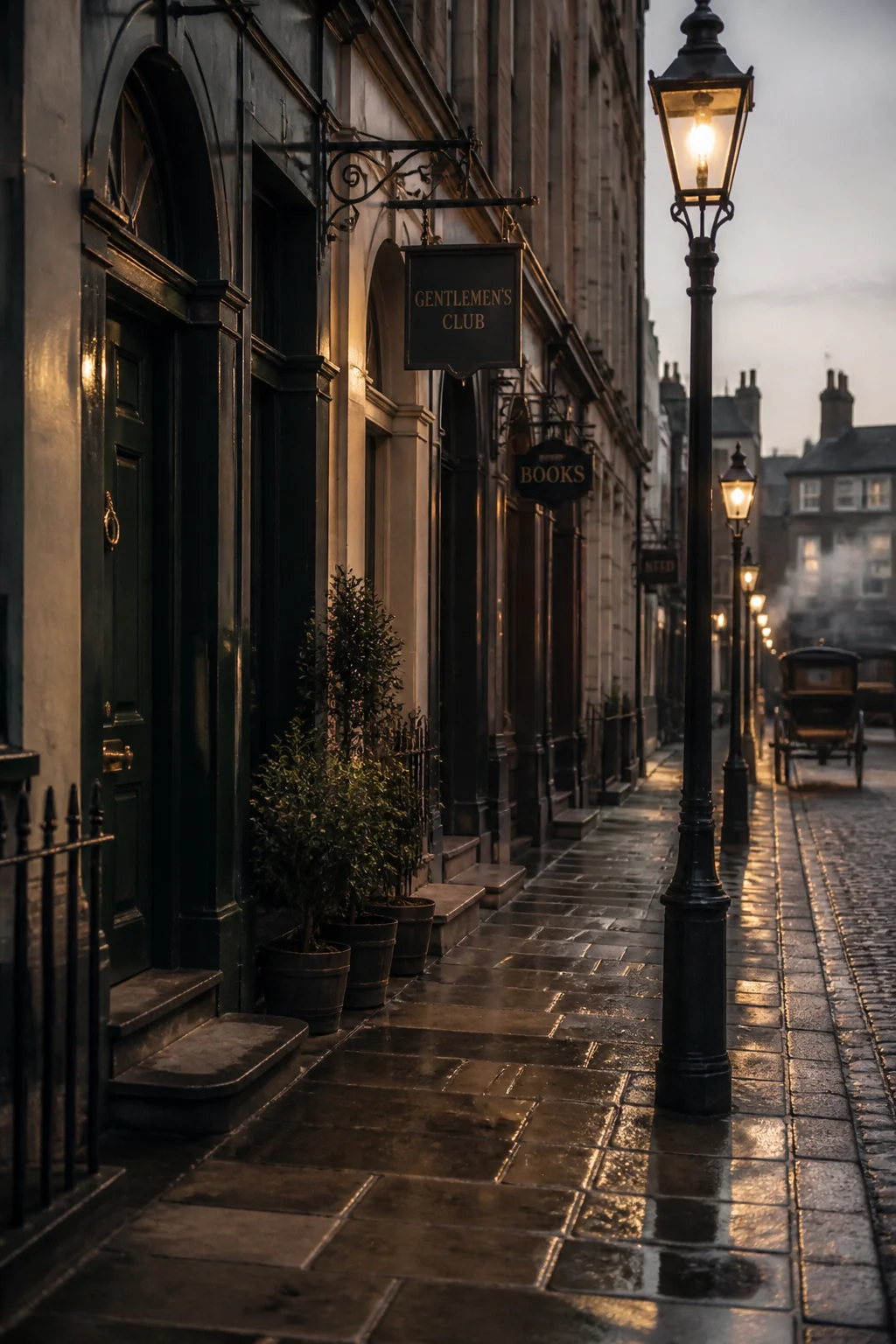
London
A polished city where drawing rooms, locked doors, dinner tables, and opium dens are all the same place.
Can art be judged by virtue, or only by the force of its craft?
Read →Well Written or Badly Written
There is no such thing as a moral or an immoral book. Books are well written, or badly written. That is all.
The nineteenth century dislike of realism is the rage of Caliban seeing his own face in a glass.
The nineteenth century dislike of romanticism is the rage of Caliban not seeing his own face in a glass. The moral life of man forms part of the subject-matter of the artist, but the morality of art consists in the perfect use of an imperfect medium. No artist desires to prove anything.
Wilde is picking a fight before his novel even begins. This comes from the preface he added to answer critics who called the book corrupt, and his move is to refuse the whole question: a book can be done well or done badly, and that is the only judgment he will allow. When he drags in Caliban, the brutish creature from Shakespeare's Tempest, he turns the offended reader into the ugly one, furious at a mirror whether it shows his face or hides it. His last claim guards the door: an artist who wanted to prove a point would already have stopped being an artist.
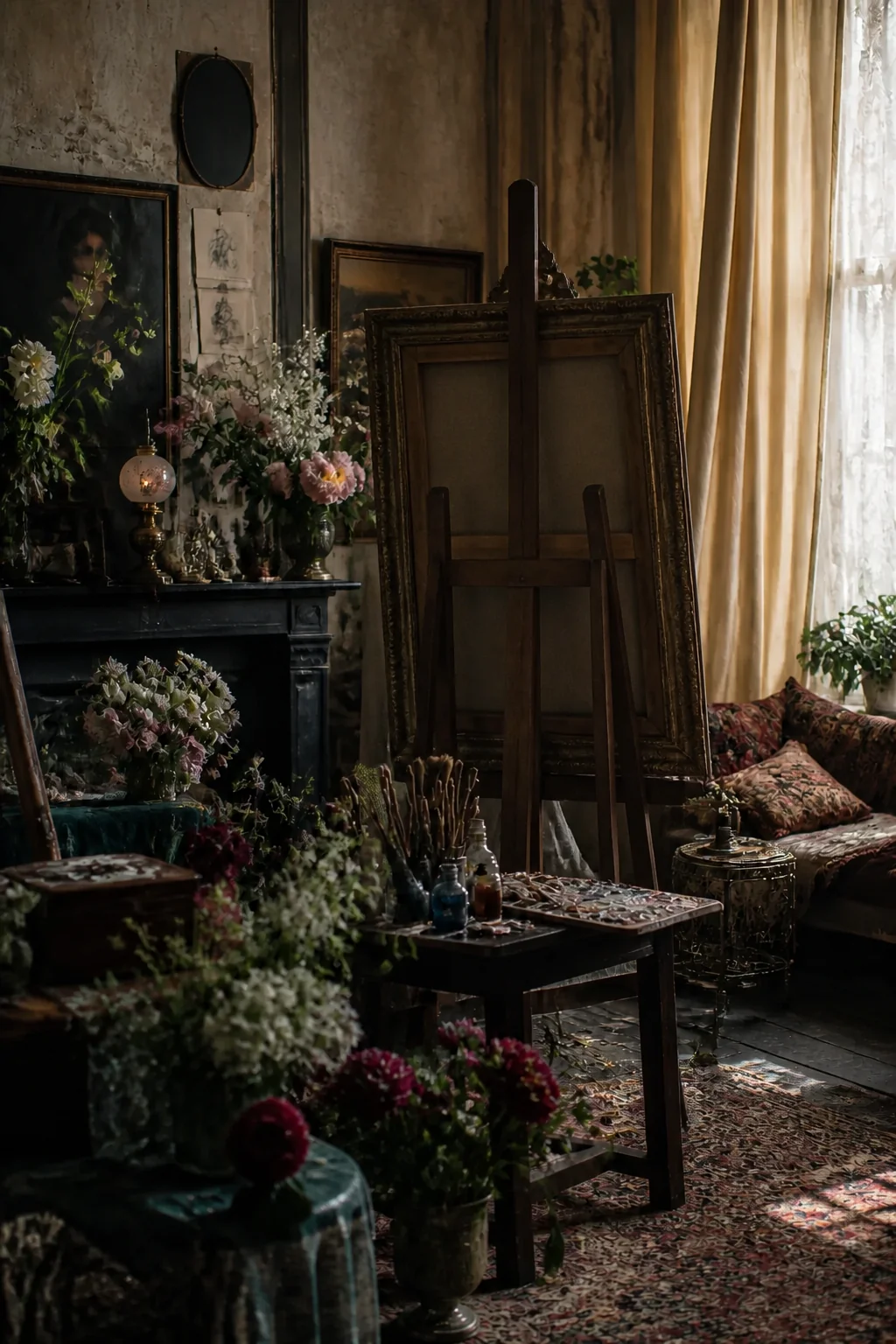
The Studio and the Portrait
A painter finishes the portrait of a beautiful young man he adores, and fears he has put too much of his own soul into it.
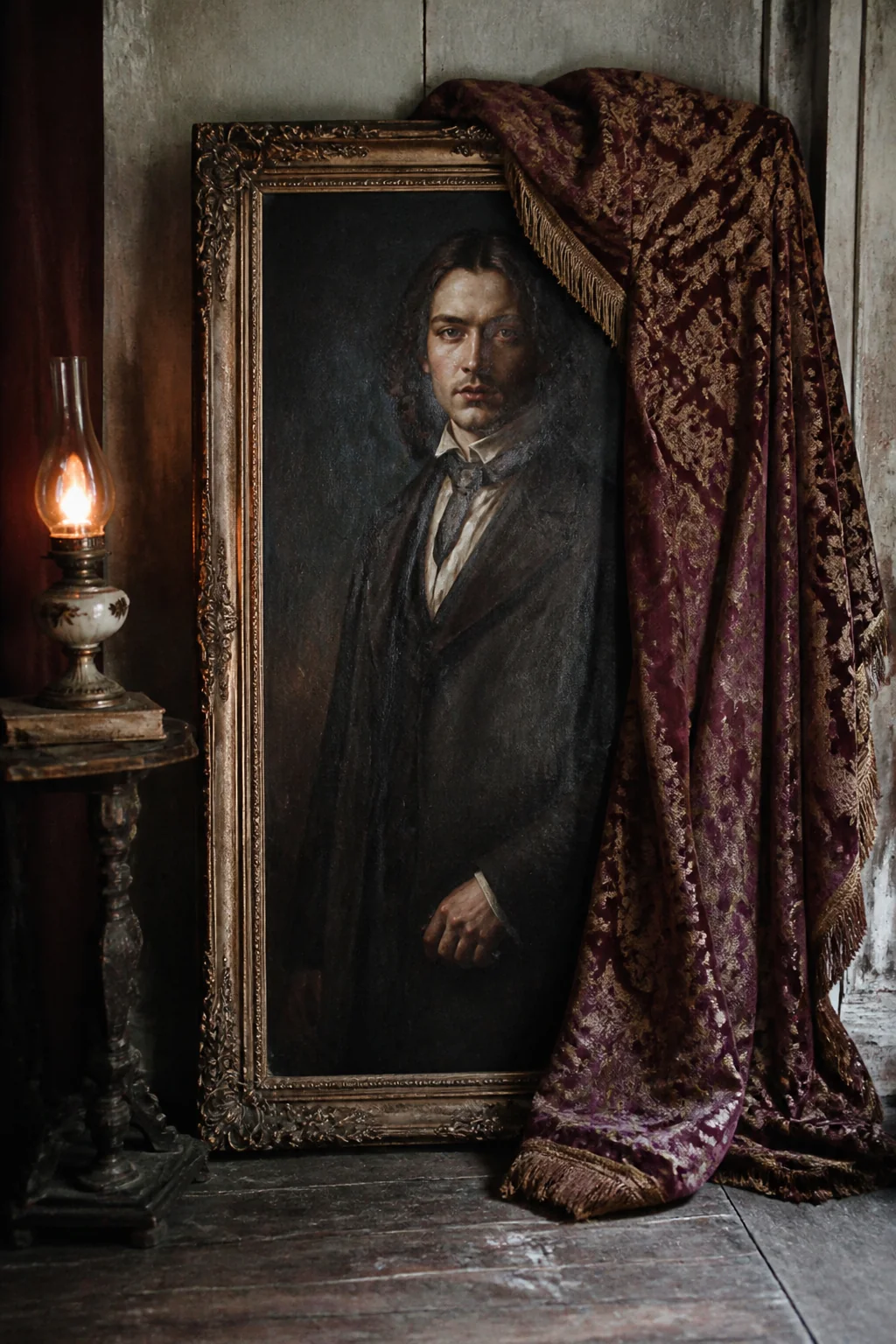
Basil’s portrait of Dorian Gray
It ages and rots in a locked room so that Dorian never has to.
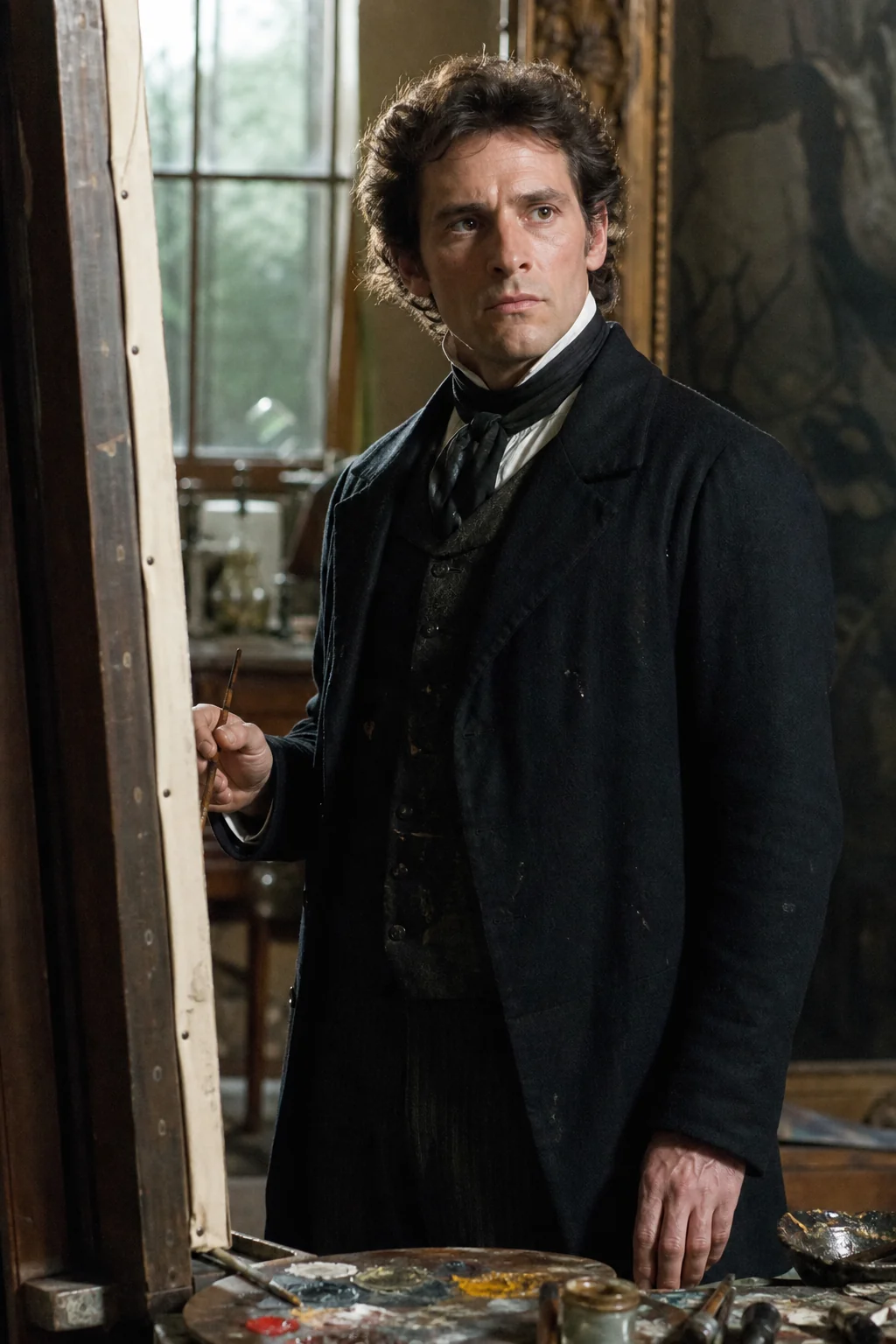
Basil Hallward
The painter who creates Dorian’s portrait fears that the canvas has exposed his own soul.
The Picture of Dorian Gray
The cast, locations, objects of note, core concepts, and selected passages in the Author’s Pen - at your own pace.
The Picture of Dorian Gray World, as it plays on your phone
- Meet the people. 28 characters, each with a portrait, who they are and what they want.
- Walk the places. 15 places, each pictured, and what happens there.
- Follow the plot. The turns of the story, in order, so you always know where you are.
- Taste the original. 57 key passages in Oscar Wilde’s own words, each with a short reading of what it is doing.
- The complete book. Every word, in a reader made for your phone. From any passage, one tap opens the book at that very page.
Step inside The Picture of Dorian Gray
Free, in your inbox in about a minute: the World and the complete book, on your phone.