
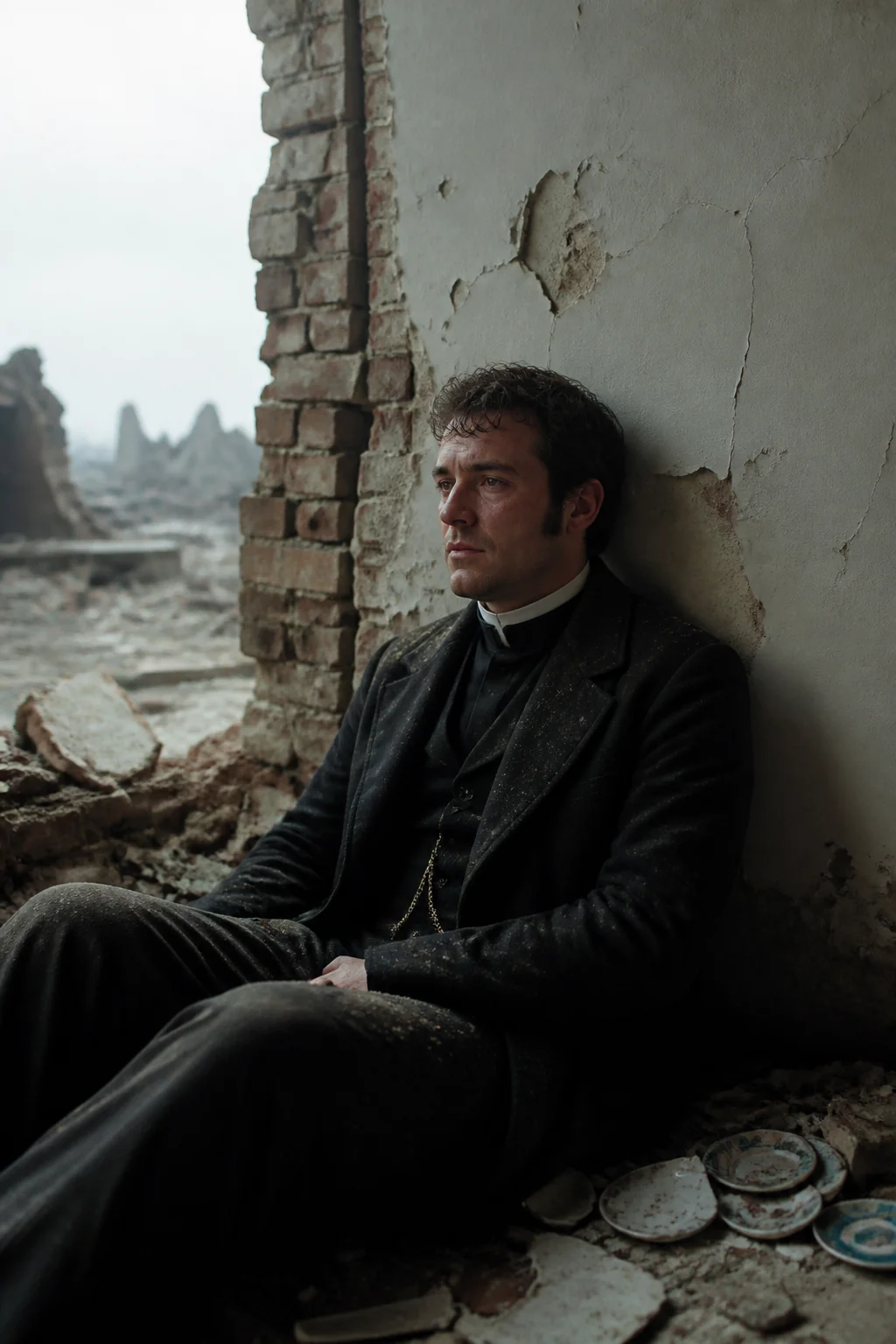
The film without the cuts. And the book itself.
Humanity survives, but not by mastery.

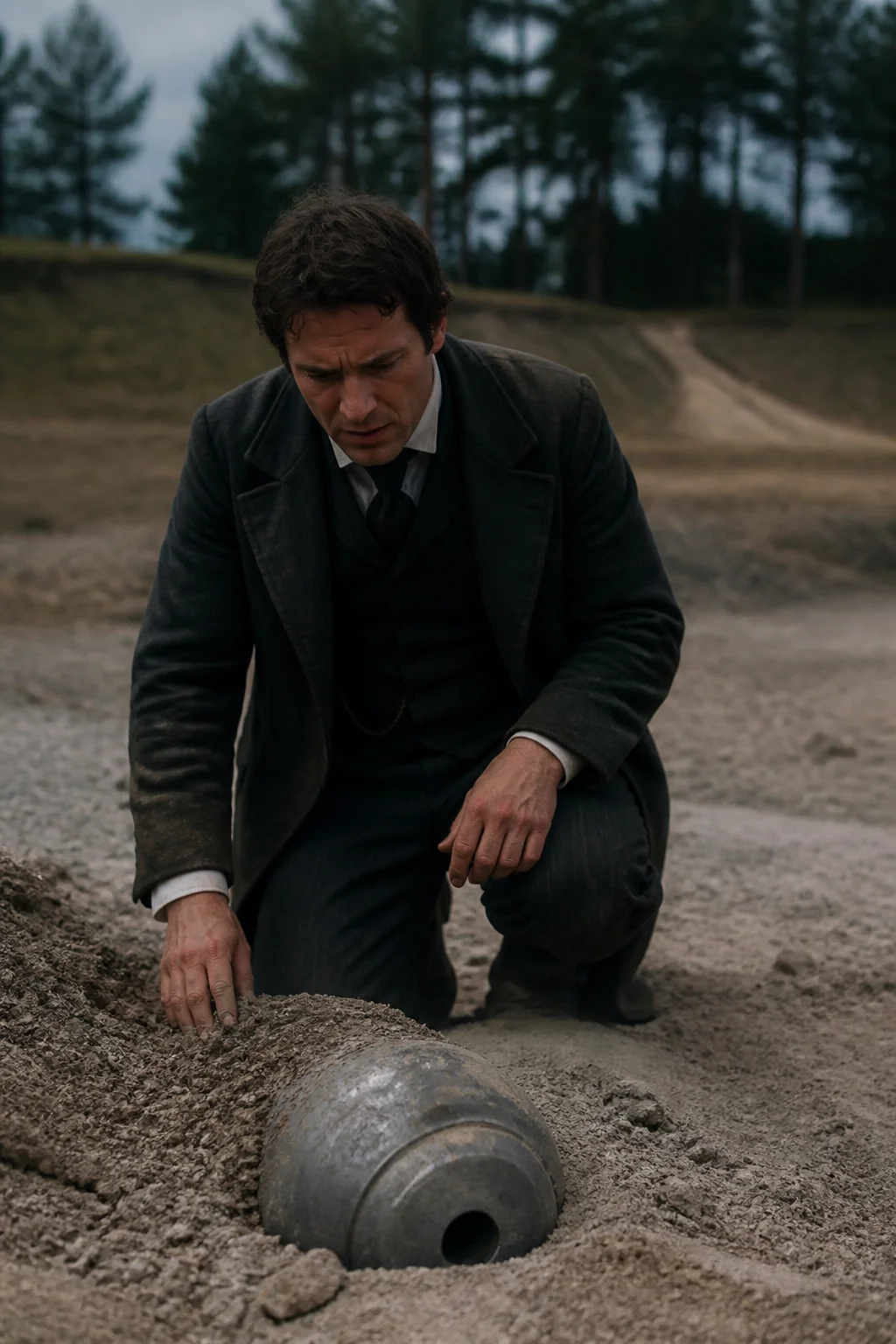
The Narrator
An educated witness watches England lose the scale of its own importance.
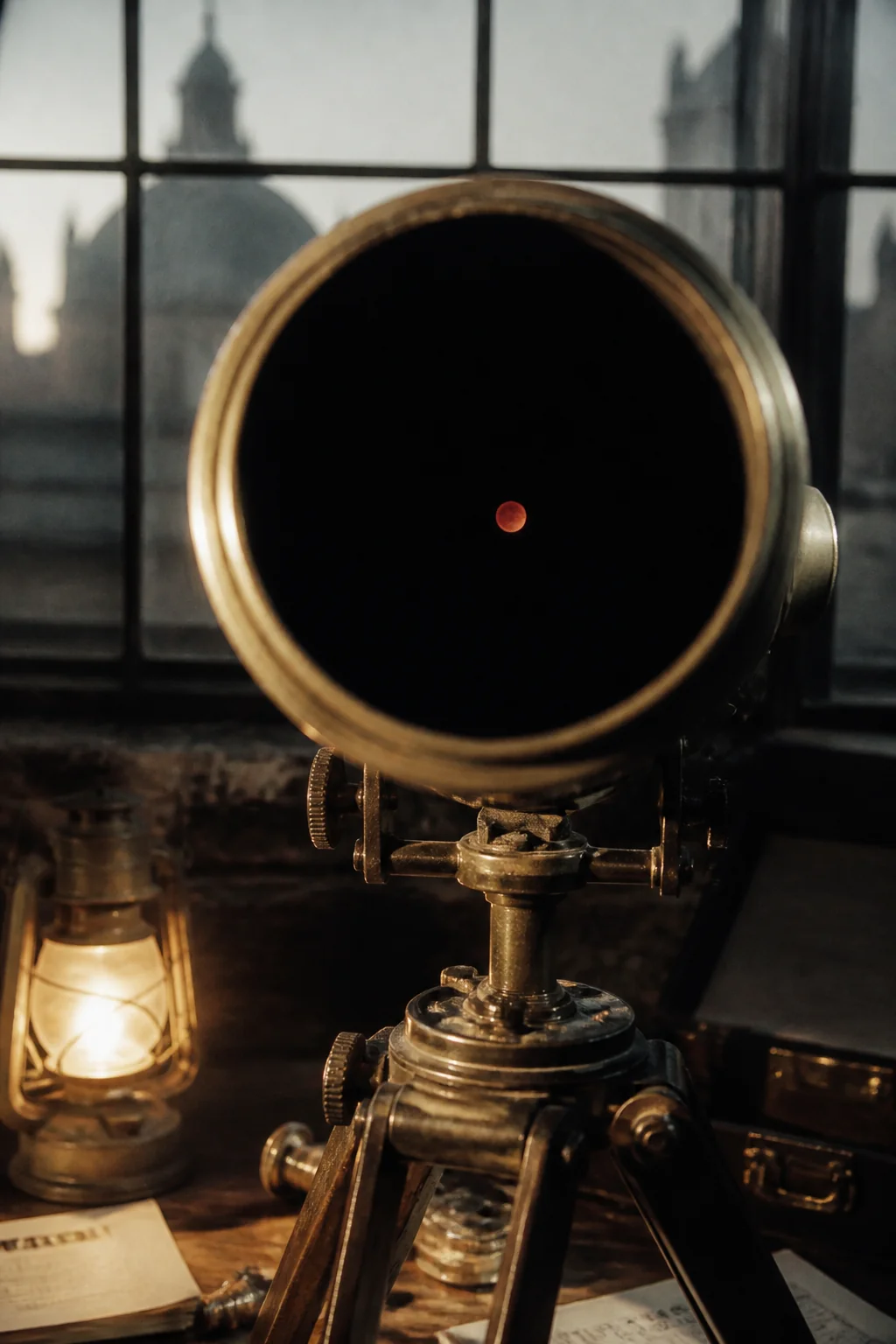
Mars
A dying planet stares back at Earth and decides it wants what we have.
Humanity feels supreme, unaware colder, greater minds have already chosen it.
Read →The Great Disillusionment
No one would have believed in the last years of the nineteenth century that this world was being watched keenly and closely by intelligences greater than man’s and yet as mortal as his own; that as men busied themselves about their various concerns they were scrutinised and studied, perhaps almost as narrowly as a man with a microscope might scrutinise the transient creatures that swarm and multiply in a drop of water. With infinite complacency men went to and fro over this globe about their little affairs, serene in their assurance of their empire over matter. It is possible that the infusoria under the microscope do the same. No one gave a thought to the older worlds of space as sources of human danger, or thought of them only to dismiss the idea of life upon them as impossible or improbable. It is curious to recall some of the mental habits of those departed days. At most terrestrial men fancied there might be other men upon Mars, perhaps inferior to themselves and ready to welcome a missionary enterprise. Yet across the gulf of space, minds that are to our minds as ours are to those of the beasts that perish, intellects vast and cool and unsympathetic, regarded this earth with envious eyes, and slowly and surely drew their plans against us. And early in the twentieth century came the great disillusionment.
Humanity is put under the microscope and comes out looking like pond scum. Wells opens his whole story by flipping the human sense of mastery on its head: we think we rule the earth, but something colder and smarter has been studying us the way a scientist studies the tiny things swarming in a drop of water. The insult is precise, because it uses our own confidence against us. He even lets us imagine ourselves generously, picturing Martians as backward souls waiting for our missionaries, right before revealing that they were the ones sizing us up as prey.
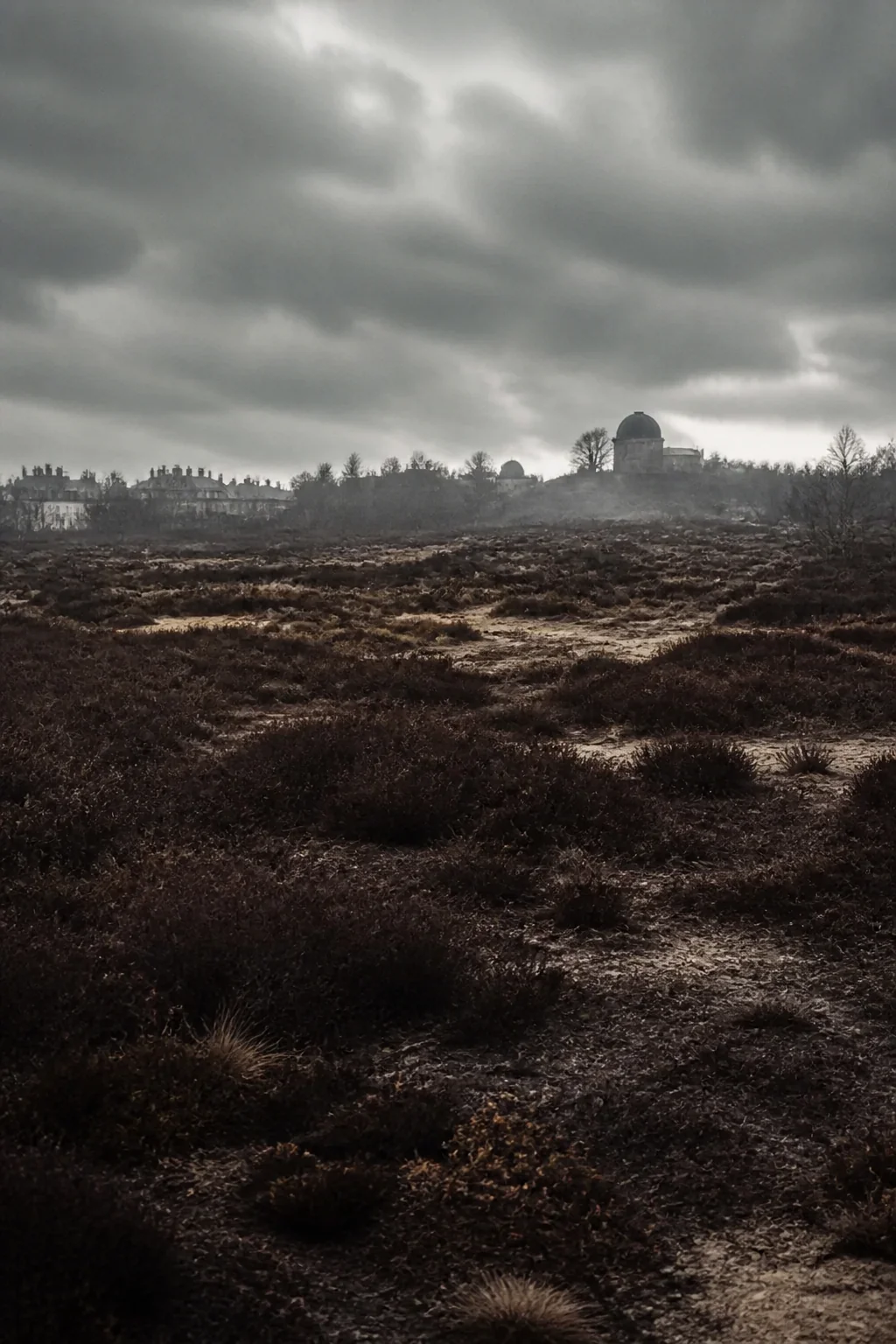
The Eve of the War
While humanity goes about its small affairs, intelligences vast and cool and unsympathetic study the Earth and lay their plans.
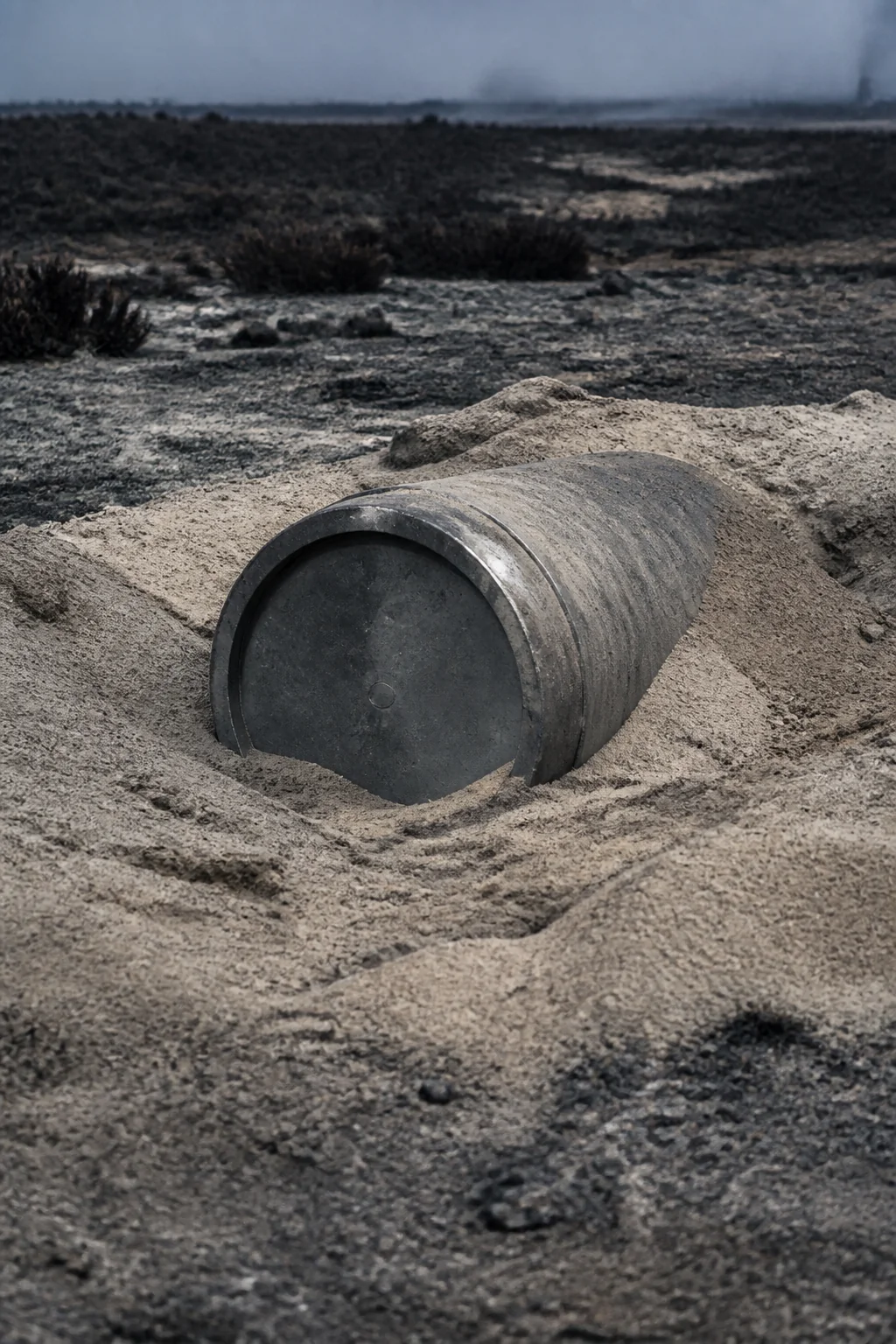
Martian cylinders
A crowd gathers to gawk at a fallen meteorite, then the lid begins to turn from inside.
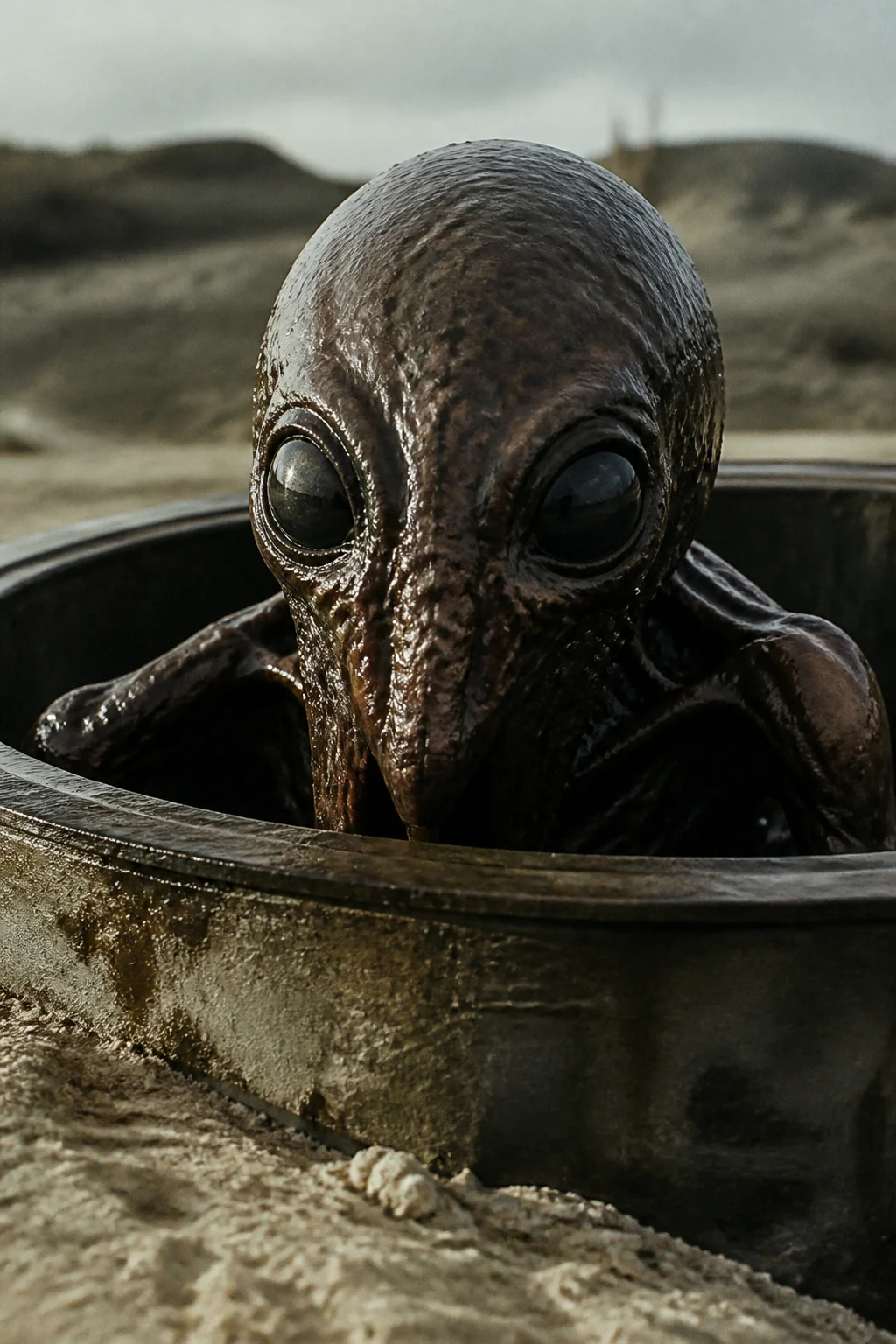
The Martians
Cold intelligences from a dying world arrive in cylinders and make humanity the observed species.
The War of the Worlds
The cast, locations, objects of note, core concepts, and selected passages in the Author’s Pen - at your own pace.
The War of the Worlds World, as it plays on your phone
- Meet the people. 15 characters, each with a portrait, who they are and what they want.
- Walk the places. 17 places, each pictured, and what happens there.
- Follow the plot. The turns of the story, in order, so you always know where you are.
- Taste the original. 38 key passages in H. G. Wells’s own words, each with a short reading of what it is doing.
- The complete book. Every word, in a reader made for your phone. From any passage, one tap opens the book at that very page.
Step inside The War of the Worlds
Free, in your inbox in about a minute: the World and the complete book, on your phone.