The Author’s Pen
What Is One To Do
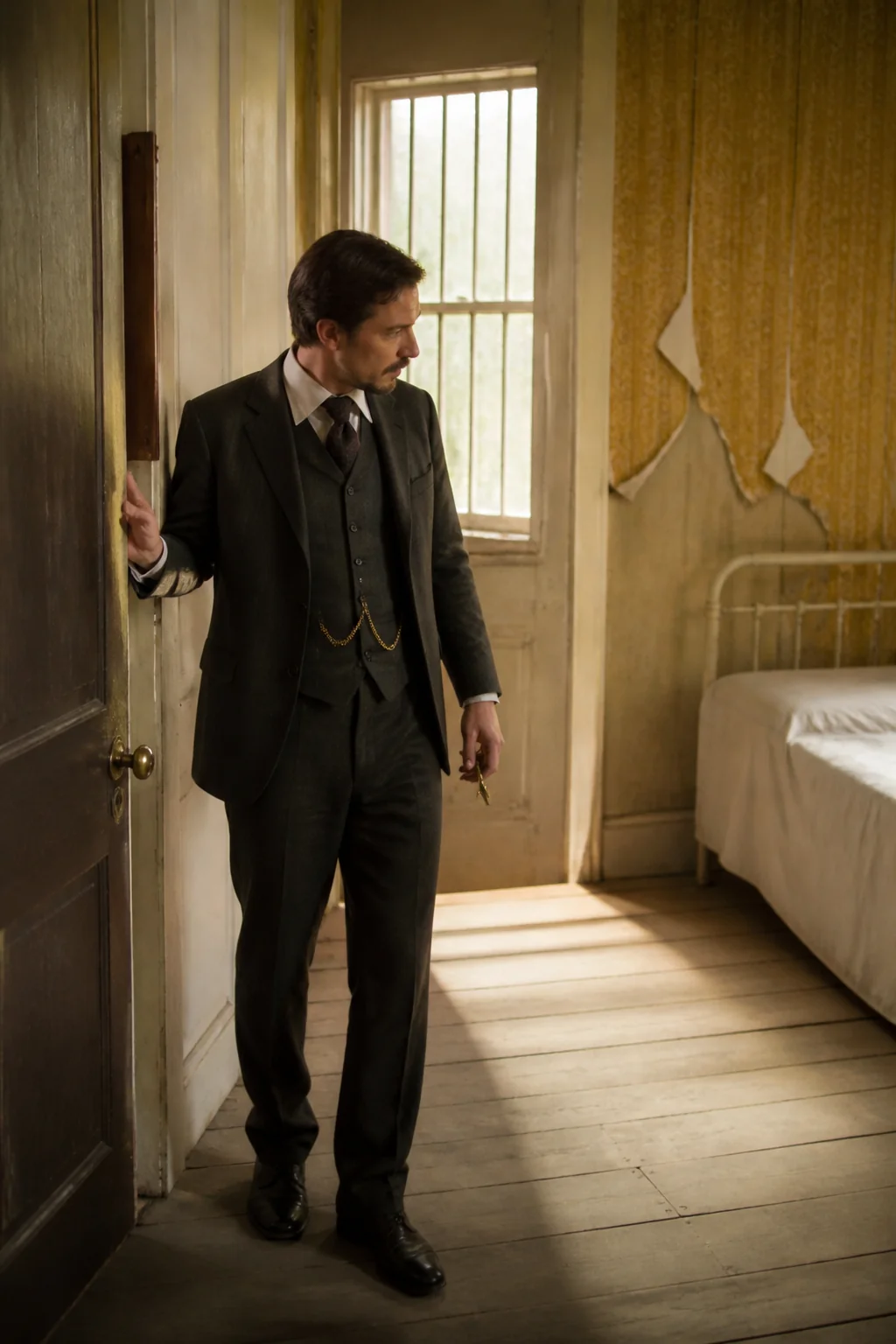
John is a physician, and perhaps—(I would not say it to a living soul, of course, but this is dead paper and a great relief to my mind)—perhaps that is one reason I do not get well faster.
You see, he does not believe I am sick!
And what can one do?
If a physician of high standing, and one’s own husband, assures friends and relatives that there is really nothing the matter with one but temporary nervous depression—a slight hysterical tendency—what is one to do?
My brother is also a physician, and also of high standing, and he says the same thing.
So I take phosphates or phosphites—whichever it is, and tonics, and journeys, and air, and exercise, and am absolutely forbidden to “work” until I am well again.
Personally, I disagree with their ideas.
Personally, I believe that congenial work, with excitement and change, would do me good.
But what is one to do?
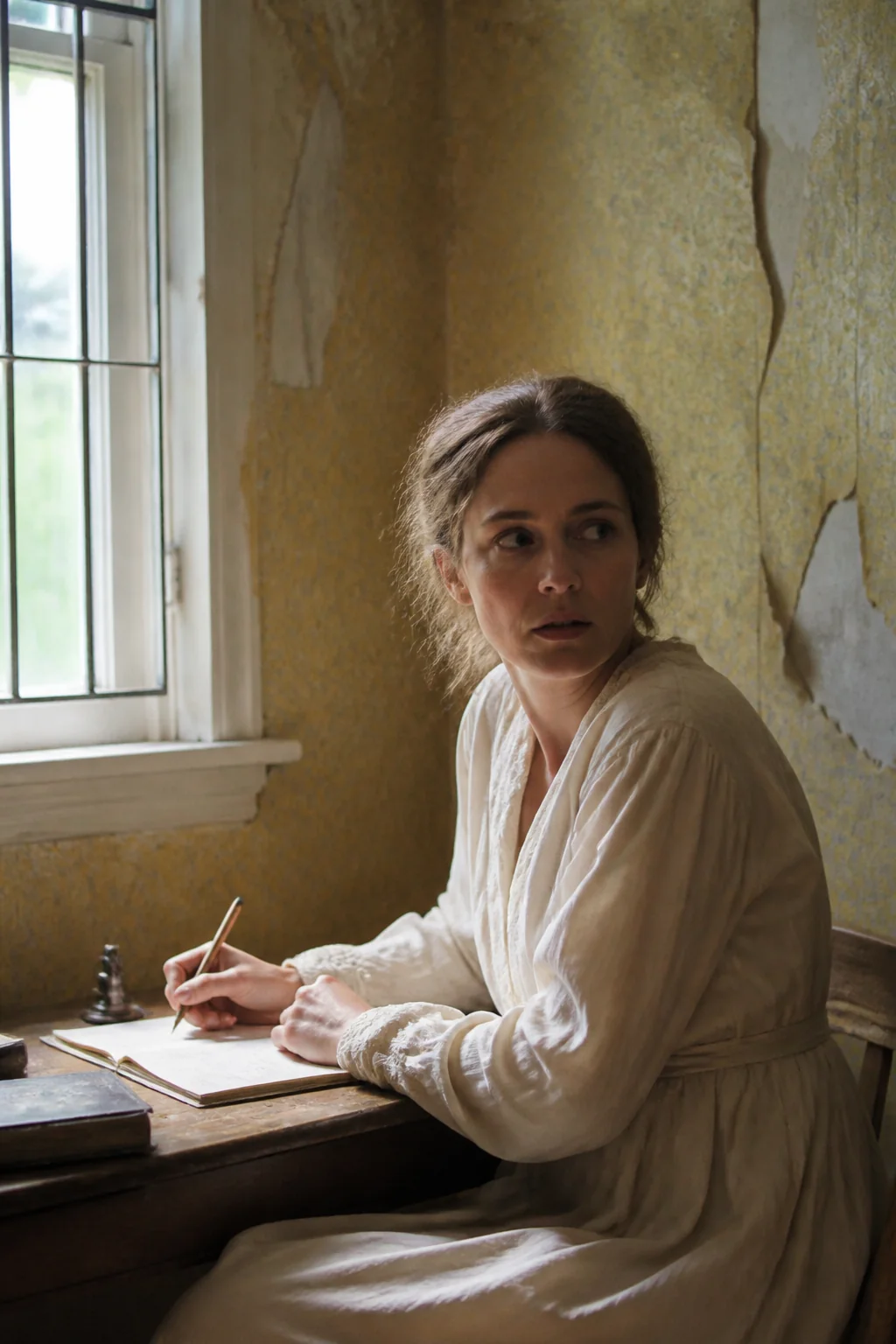
I did write for a while in spite of them; but it does exhaust me a good deal—having to be so sly about it, or else meet with heavy opposition.
Reading
The narrator can only be honest to a piece of paper. She calls her diary "dead paper," and that is exactly why she can finally admit what she cannot say to anyone alive: that her husband, the doctor treating her, refuses to believe she is actually ill. Everyone with authority over her, her husband and her brother, are physicians who agree she has nothing worse than nerves. She twice asks "what is one to do?" because she genuinely has no answer. She thinks work would help her, but the very act of writing this down has to be done in secret and wears her out.